
Posted by Ian Skaife with 9 comment(s)
Jan
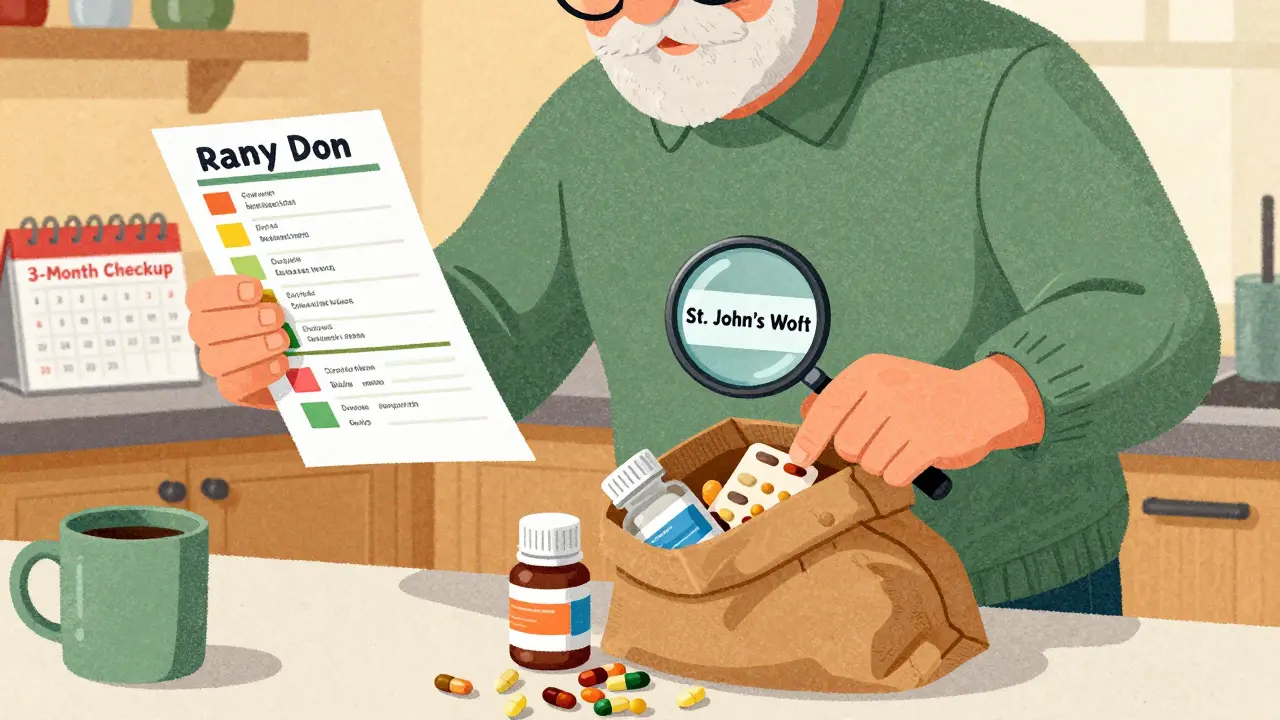
Keeping an accurate medication list prevents dangerous drug interactions and saves lives. Learn what to include, how to update it, and which tools actually work - from paper lists to apps and EHRs.
view morePosted by Patrick Hathaway with 10 comment(s)
Jan
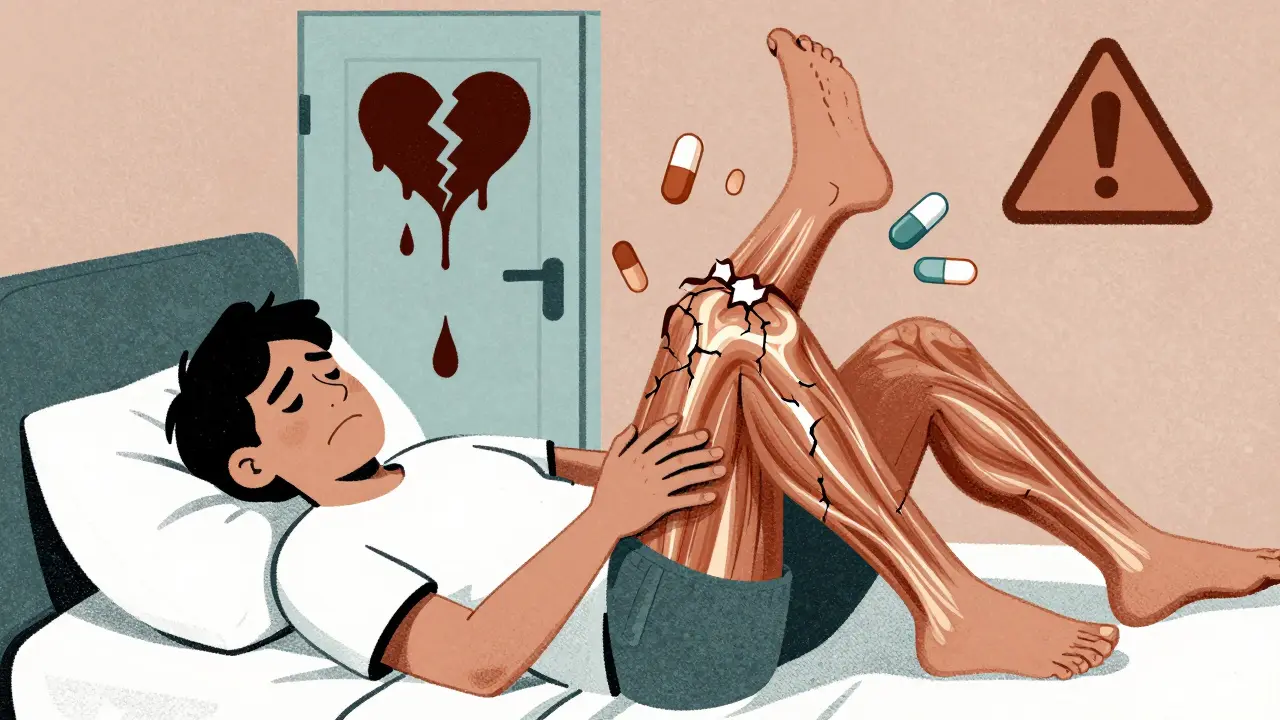
Rhabdomyolysis from statins is rare but deadly. Learn the signs, risk factors, and what to do if you experience muscle pain, dark urine, or weakness while on cholesterol-lowering meds.
view morePosted by Ian Skaife with 14 comment(s)
Jan

Health systems are tackling severe staffing shortages with flexible scheduling, AI tools, virtual nursing, community partnerships, and financial incentives. Learn what’s working - and what’s not - in today’s crisis.
view morePosted by Ian Skaife with 11 comment(s)
Jan

Learn how naloxone reverses opioid overdoses, recognize the signs of overdose, and store naloxone safely for quick access. Essential info for anyone who uses opioids or knows someone who does.
view morePosted by Patrick Hathaway with 14 comment(s)
Jan
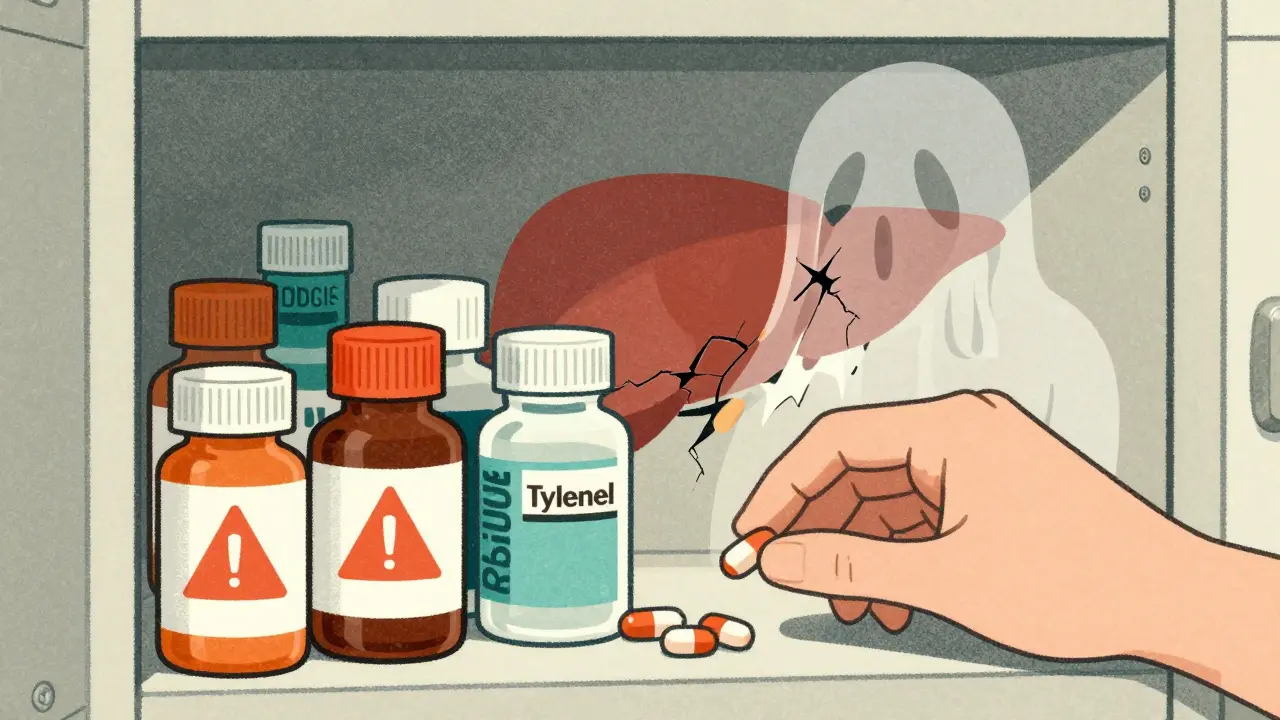
Debunking common medication myths that put patients at risk-from OTC drug dangers to antibiotic misuse. Learn the facts that could save your life.
view morePosted by Ian Skaife with 15 comment(s)
Jan

Learn how travel health clinics customize vaccines and medications for your trip, from malaria pills to yellow fever shots. Find out when to go, what to bring, and how to avoid common mistakes that leave travelers sick.
view morePosted by Patrick Hathaway with 13 comment(s)
Jan
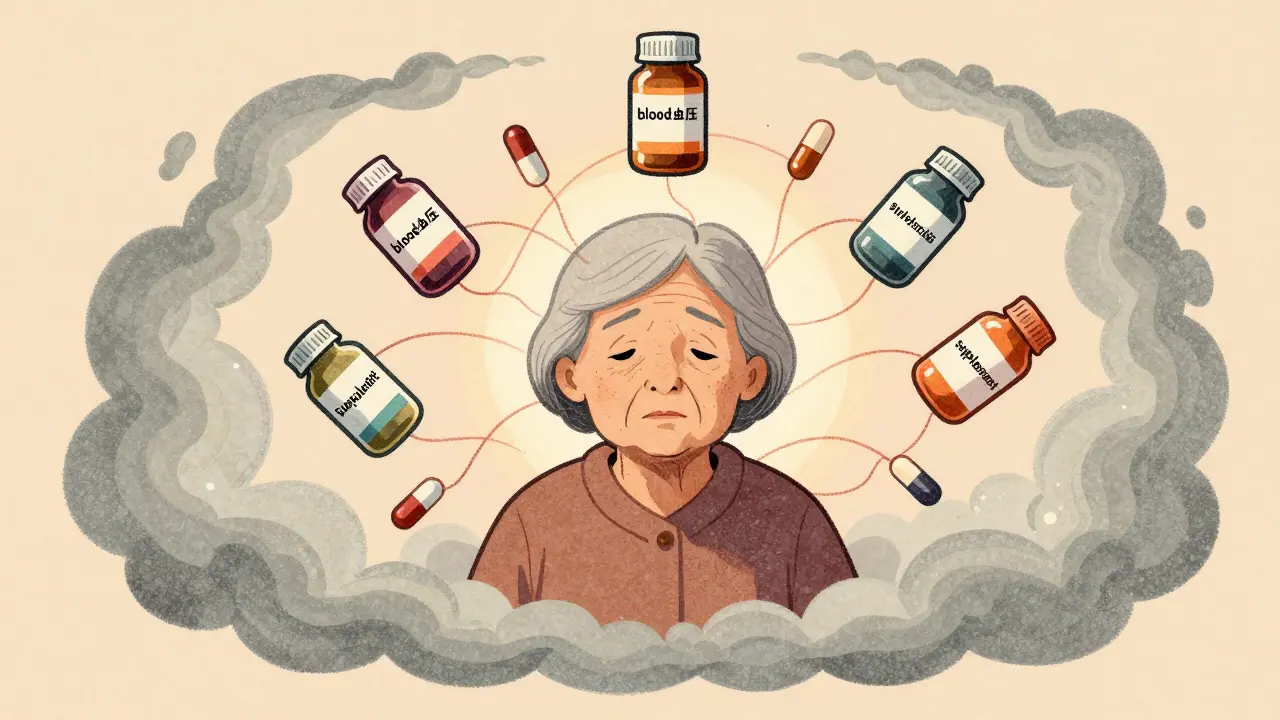
Polypharmacy in older adults increases risk of falls, hospitalizations, and death. Learn how drug interactions happen, why deprescribing is critical, and what steps you can take to reduce medication burden safely.
view morePosted by Ian Skaife with 12 comment(s)
Jan

Estrogen can significantly affect warfarin levels, causing dangerous INR fluctuations. Learn how birth control, HRT, and genetics interact with blood thinners-and what to do to stay safe.
view morePosted by Patrick Hathaway with 9 comment(s)
Jan
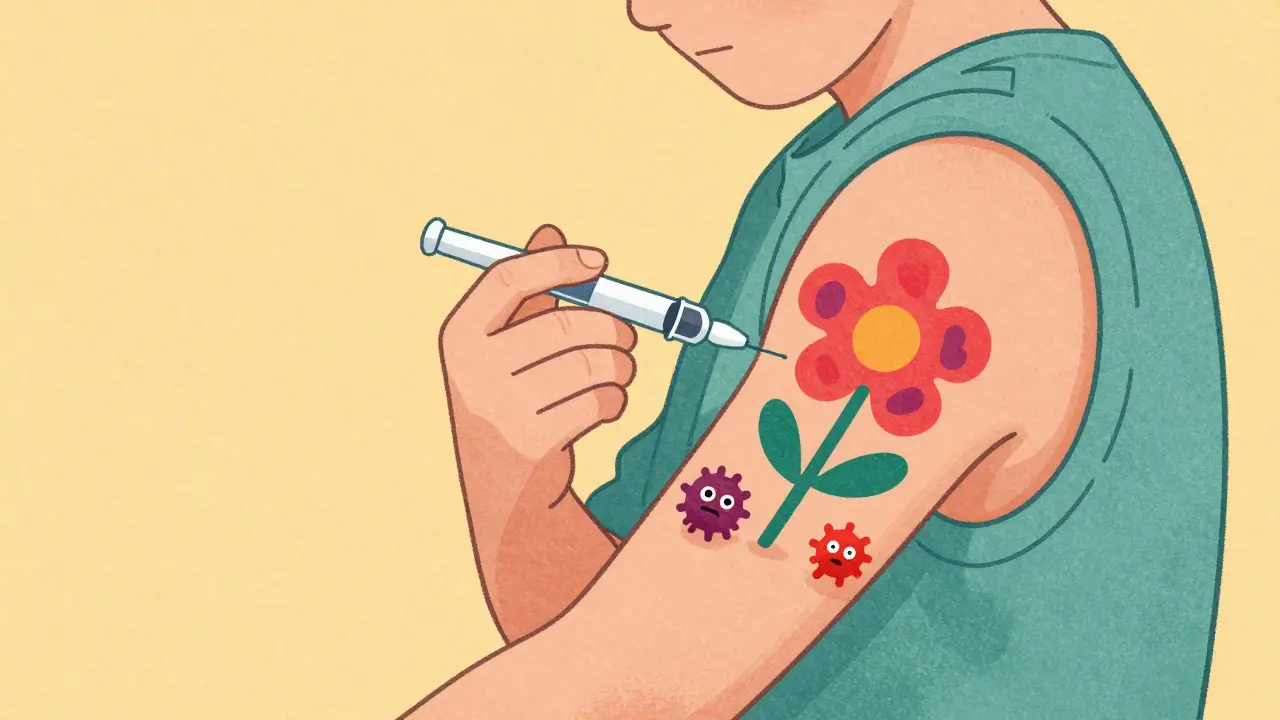
Learn how to recognize and manage rare but serious insulin allergies, from mild skin reactions to life-threatening anaphylaxis. Find out what causes them, how they're diagnosed, and what treatments actually work.
view morePosted by Ian Skaife with 9 comment(s)
Jan
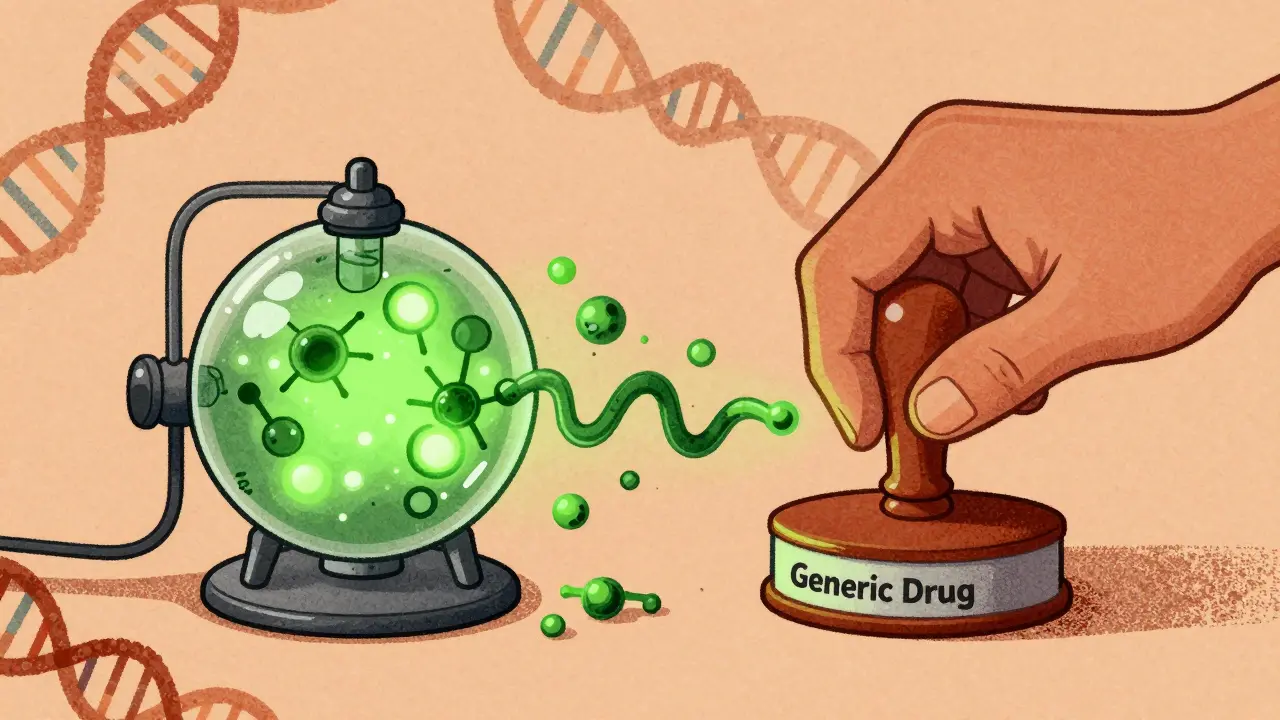
Biosimilars are far more complex to manufacture than generics because they're made from living cells. Learn why copying biologics requires advanced science, strict regulation, and massive investment.
view more