
You’re in the right place if you want straightforward, useful info about prescription drugs and safer options. This category collects clear guides on how medicines work, what side effects to watch for, and realistic alternatives people actually use. No medical jargon, just the facts you can use when talking to your doctor or pharmacist.
Short, practical articles that answer real questions: What does the drug treat? How likely are side effects? Who should avoid it? When to call your doctor? Each post also lists alternatives when a medication isn’t right for you — and explains pros, cons, and safety tips so you can have a focused conversation with your clinician.
Examples from the collection:
Levoquin — A clear look at uses and risks for this antibiotic, plus safety tips to reduce side effects and interactions.
Sitagliptin phosphate — What to expect if you take this for type 2 diabetes, how it affects blood sugar, and everyday things to watch for.
Alprazolam alternatives — Six realistic alternatives and what to know about withdrawal, addiction risk, and who each option suits best.
Duloxetine alternatives — A 2025 update on other options for depression and anxiety, with a quick comparison of benefits and side effects.
Ethinyl estradiol/norgestimate alternatives — Ten birth control options, including hormone-free choices and methods that work better for certain health concerns.
Neurontin alternatives — Practical pain relief substitutes like topical options and different oral meds, explained for neuropathic pain.
Cialis alternatives — From injectable options to devices and oral substitutes, this guide helps you weigh speed, effectiveness, and side effects.
Prelone alternatives — Other corticosteroid choices and when a substitute might be safer or more convenient.
Metformin alternatives — Ten diabetes medications to consider if Metformin isn’t tolerated or is contraindicated.
Isofair alternatives — Acne treatment options that cover ingredients, expected results, and skin-safety tips.
Start with the article that matches your medication. Read the short summary, then check the pros and cons section. Use the safety tips before you change a dose or stop a drug. These posts give talking points to bring to your prescriber — that’s the fastest way to get care that fits your life.
If you’re worried about side effects or interactions, mention any other drugs, supplements, or medical conditions when you talk to your provider. Medicine choices are personal; these guides help you ask better questions and make clearer decisions.
Posted by Patrick Hathaway with 0 comment(s)
Apr
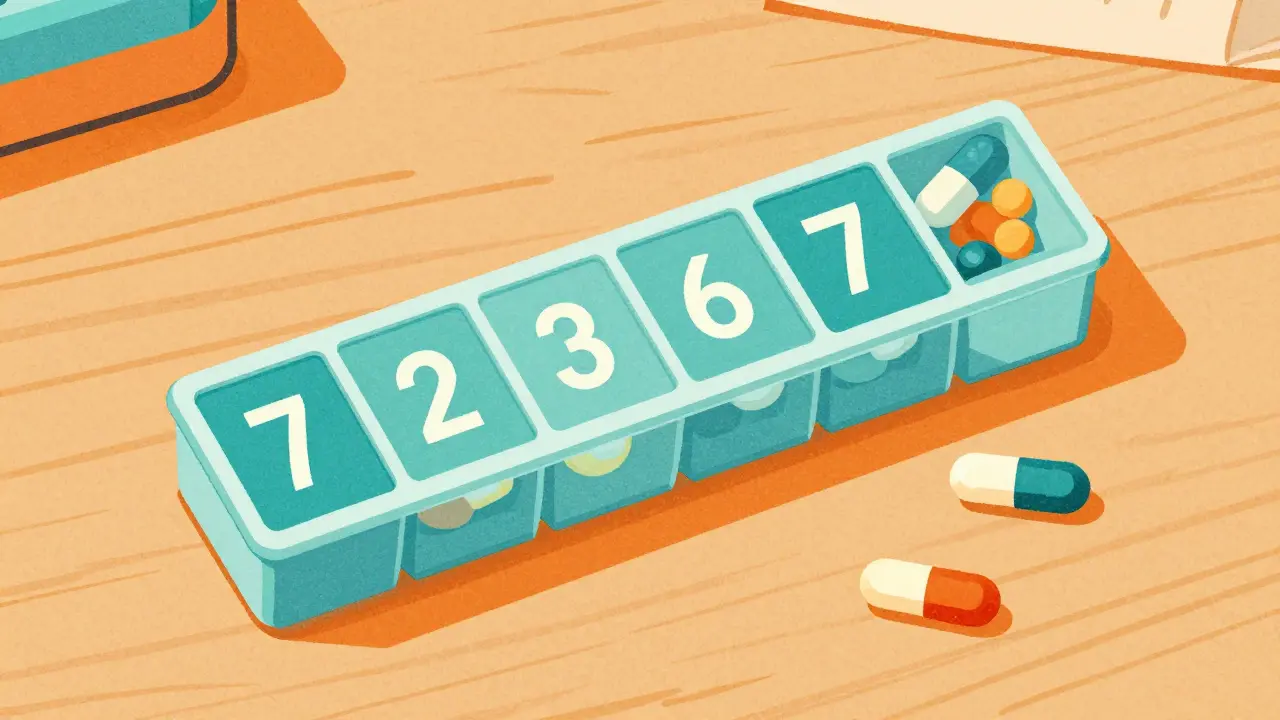
Discover the best ways to organize medications, from simple pill boxes to AI-powered dispensers, to prevent errors and improve health outcomes.
view morePosted by Patrick Hathaway with 15 comment(s)
Apr
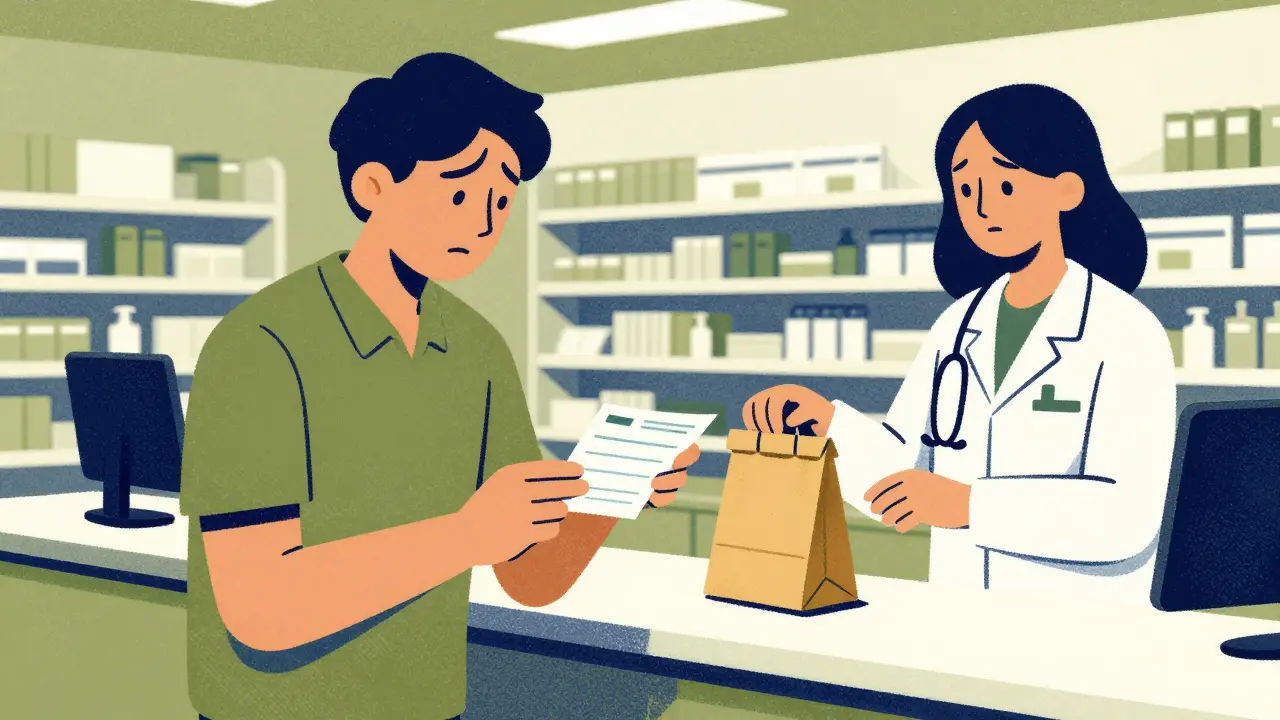
Explore why generic medications are a safe, affordable alternative to brand-name drugs. Learn about bioequivalence, potential exceptions, and key questions to ask your pharmacist.
view morePosted by Ian Skaife with 13 comment(s)
Mar
Explore the root causes of generic drug shortages, including economic pressures and supply chain fragility, and understand their critical impact on patient safety and healthcare operations.
view morePosted by Ian Skaife with 13 comment(s)
Mar
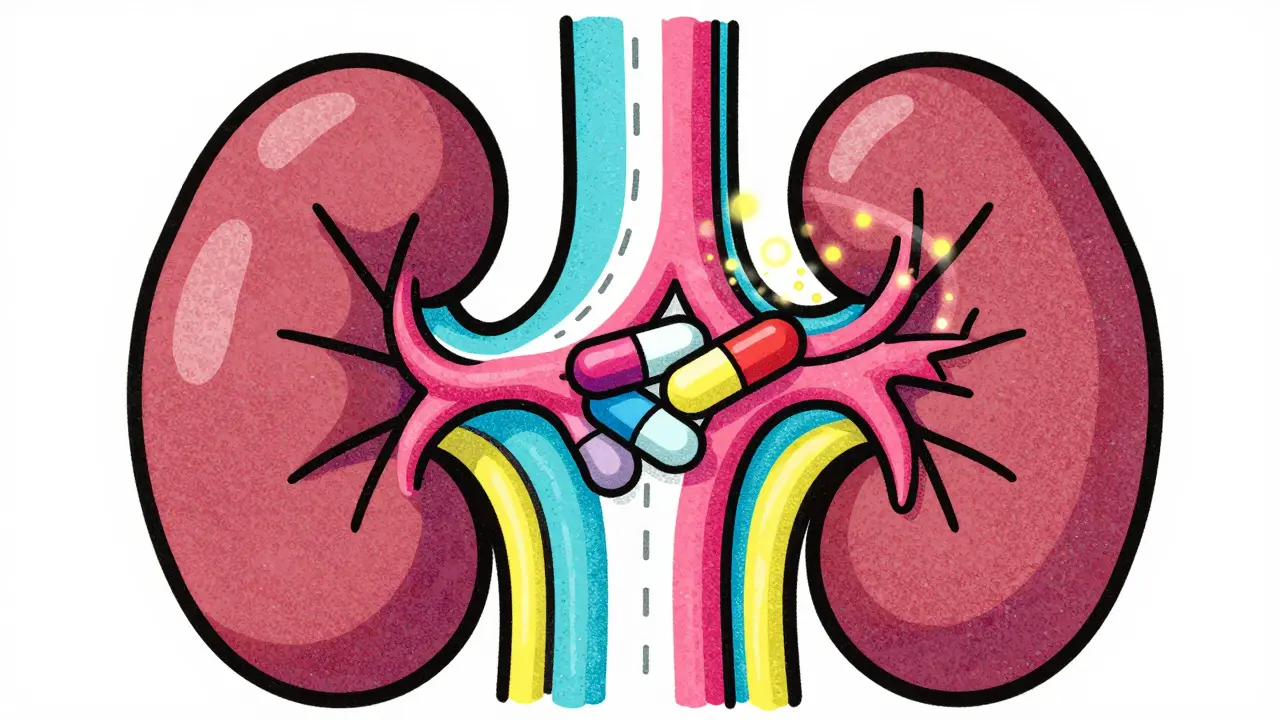
Explore the critical interaction between Methotrexate and NSAIDs, focusing on renal toxicity risks, drug level spikes, and safe management strategies for patients.
view morePosted by Ian Skaife with 10 comment(s)
Mar

ACE inhibitors, ARNI, beta blockers, and diuretics are the four cornerstone medications for heart failure with reduced ejection fraction. Learn how each works, their benefits, risks, and why combining them saves lives.
view morePosted by Patrick Hathaway with 10 comment(s)
Mar
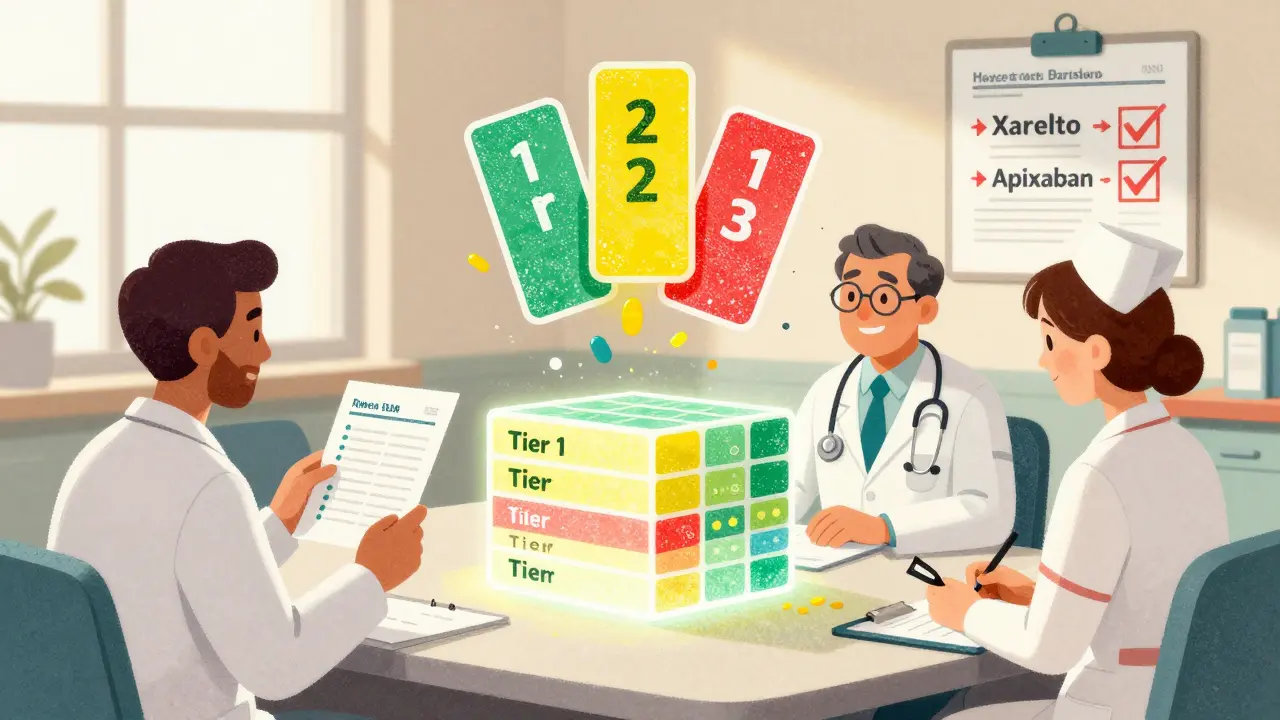
Institutional formularies are legally mandated drug substitution systems in hospitals and clinics that improve safety and reduce costs. Learn how they work, who controls them, and why they matter for patient care.
view morePosted by Patrick Hathaway with 9 comment(s)
Mar
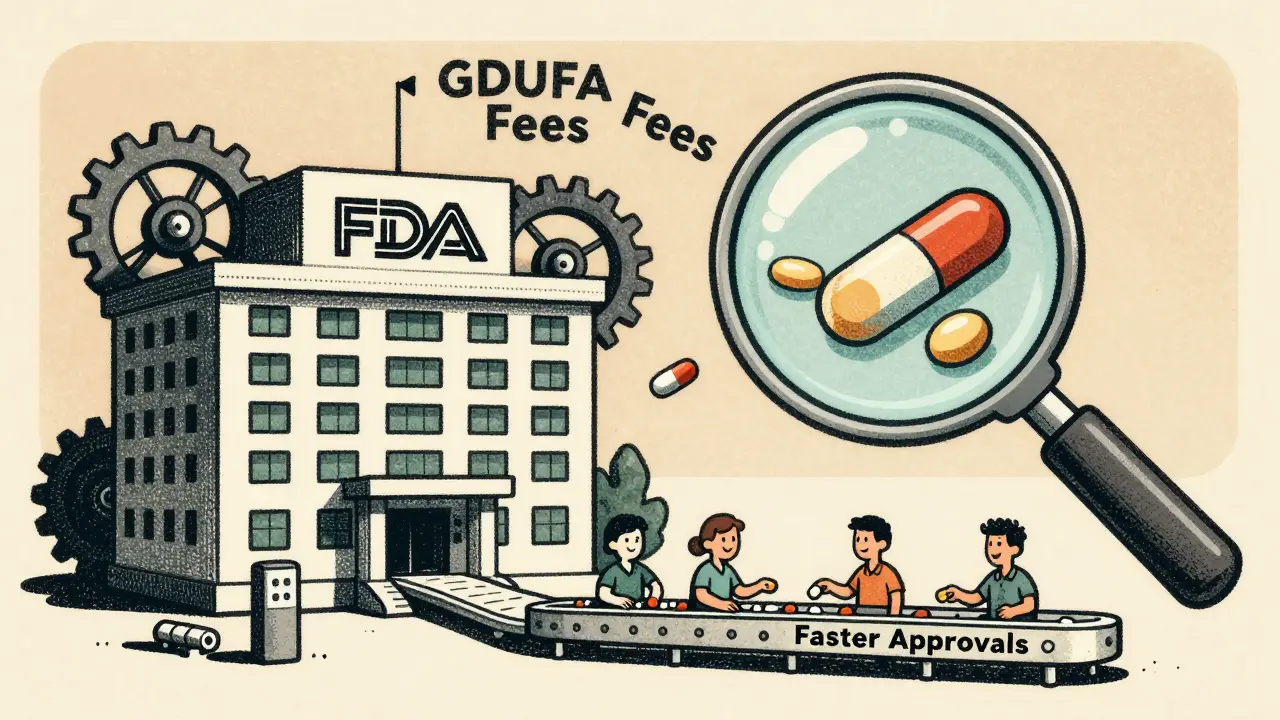
Generic Drug User Fee Amendments (GDUFA) fund FDA reviews of generic medications, cutting approval times from years to months. Learn how these fees speed up access to affordable drugs and why they matter for patients and manufacturers.
view morePosted by Ian Skaife with 13 comment(s)
Mar
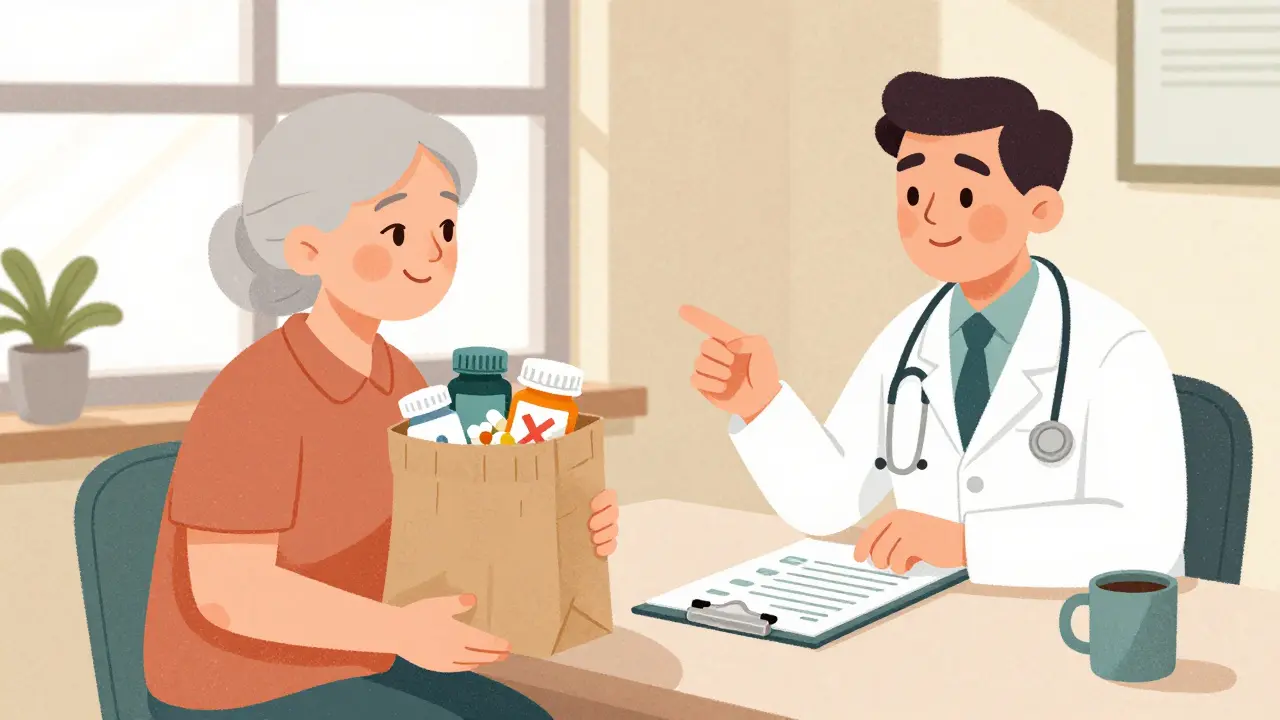
Learn how to work with your doctor to safely stop unnecessary medications, reduce side effects, and save hundreds or even thousands each year on prescription costs. Real strategies, real savings.
view morePosted by Patrick Hathaway with 15 comment(s)
Mar
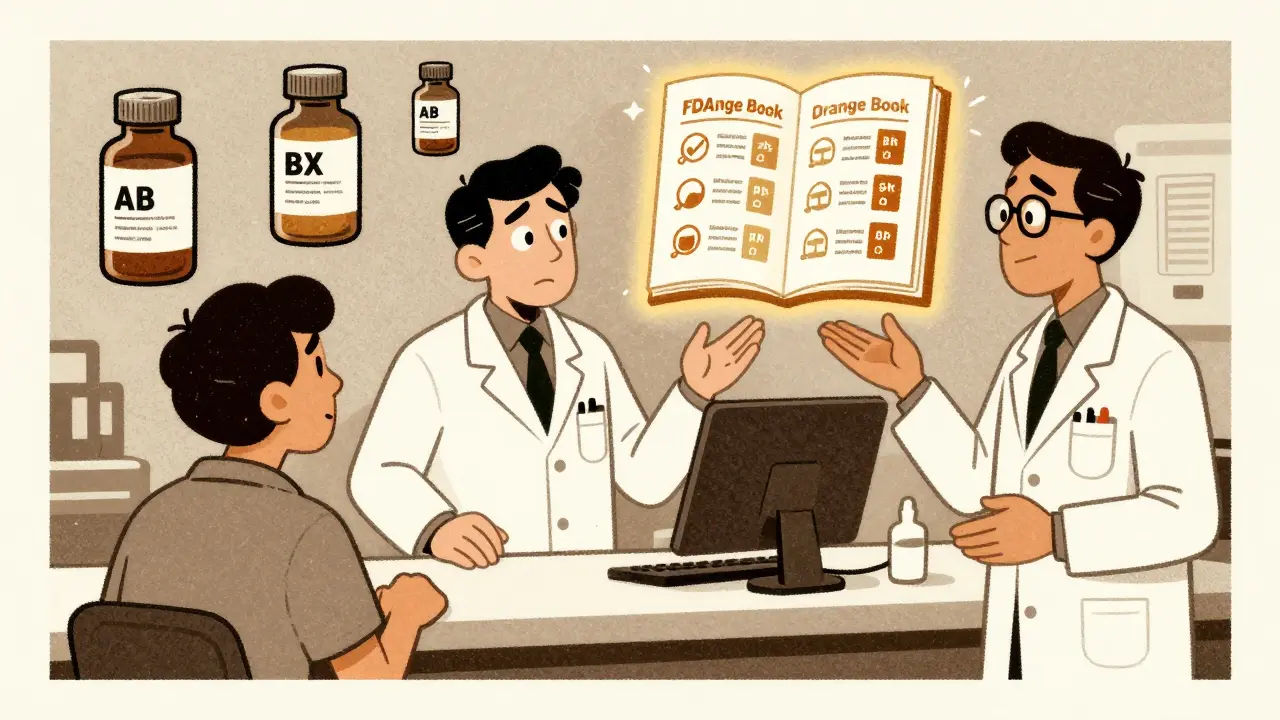
Pharmacists must stay current on generics to avoid substitution errors, meet state CE requirements, and ensure patient safety. Learn what's required, where to find quality education, and how to navigate the evolving landscape of generic and biosimilar drugs.
view morePosted by Patrick Hathaway with 8 comment(s)
Mar
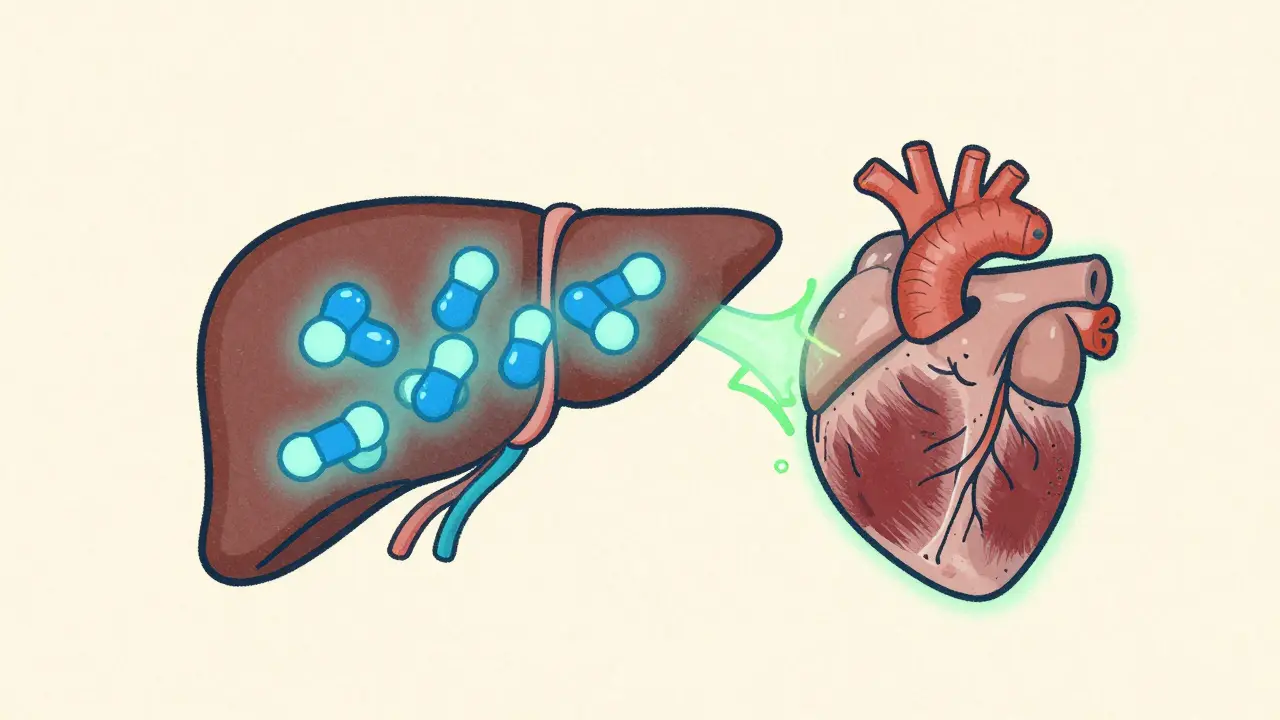
Statins are safe and effective for people with liver disease, offering major cardiovascular benefits and reducing liver complications like bleeding and decompensation. Learn why they're underused-and how to use them wisely.
view more