

Every year, more than 100,000 people in the U.S. die from opioid overdoses. Most of these deaths happen because no one nearby knows how to respond - or worse, they’re afraid to act. The truth is, naloxone can bring someone back from the edge in under five minutes. It’s not magic. It’s medicine. And it’s easier to use than you think.
What Naloxone Does - And What It Doesn’t
Naloxone is a reverse switch for opioid overdoses. When someone stops breathing because of heroin, fentanyl, oxycodone, or even prescription painkillers, naloxone kicks in fast. It grabs hold of the same brain receptors opioids use, pulls them off, and lets the person breathe again. It doesn’t work on alcohol, benzodiazepines, or stimulants like cocaine. If there’s no opioid in the system, naloxone does nothing. That’s why it’s so safe for anyone to use - even someone with no medical training.
It’s not a cure. It’s a pause button. The effects of naloxone last 30 to 90 minutes. Many opioids, especially fentanyl, last much longer. That’s why someone can seem fine after the first dose - then slip back into overdose when naloxone wears off. That’s why you need to call 911 even if they wake up. And why you might need to give a second or third dose.
Recognizing an Opioid Overdose
You don’t need to be a doctor to spot the signs. Look for three things:
- Unresponsive to loud noises or shaking
- Slow, shallow, or stopped breathing
- Blue or purple lips and fingernails
That’s it. No need to check pulses or guess what drug was taken. If someone’s unresponsive and not breathing normally, treat it like an overdose. Time matters. A 2022 study in Addiction found that survival rates dropped from 95% when naloxone was given within two minutes, to just 65% if delayed past five minutes.
People often mistake overdoses for sleep or intoxication. But if someone’s slumped over, doesn’t respond, and their skin looks off - act. Don’t wait for a needle mark or empty pill bottle. Fentanyl doesn’t smell like anything. It doesn’t leave a trace. It just kills quietly.
Naloxone Delivery: Spray vs. Shot
There are two main ways to give naloxone: nasal spray and injection.
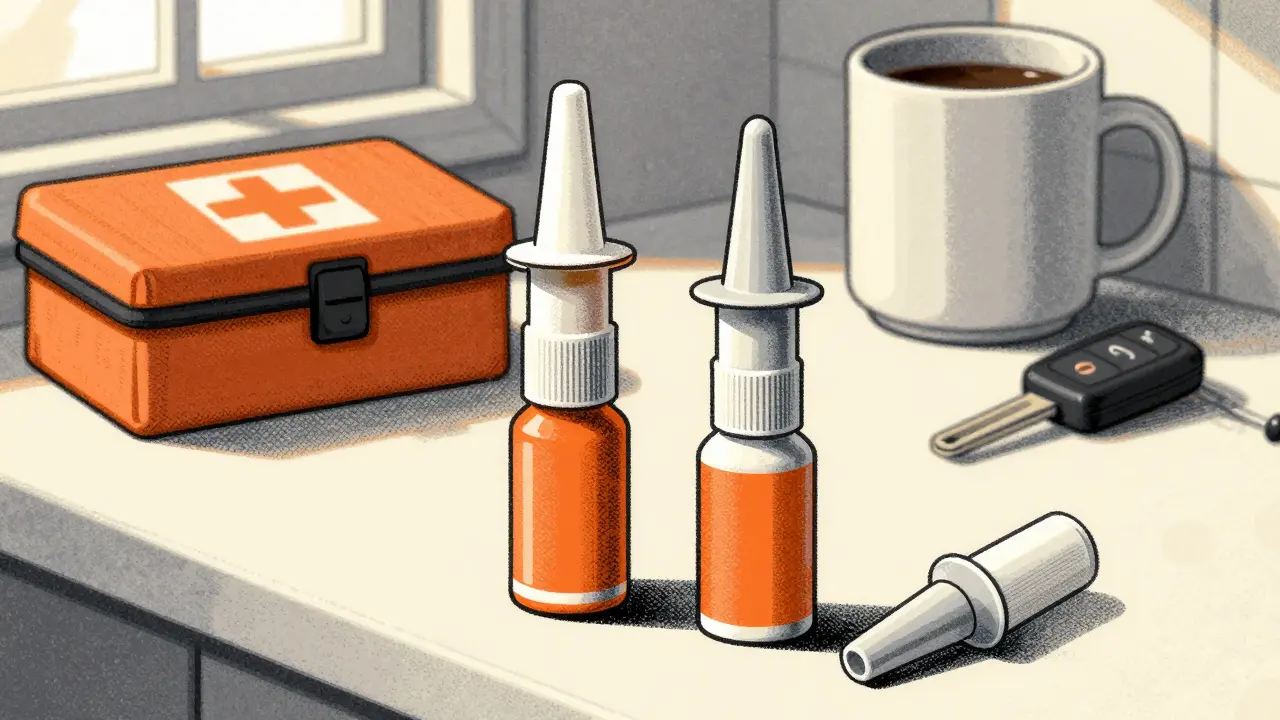
The nasal spray (like Narcan) is the most common now. It’s preloaded, no needles, no assembly. You just tilt the head back, insert the nozzle into one nostril, and press the plunger. Studies show it works just as well as the injection - and 85% of laypeople get it right on the first try. That’s higher than the 78% success rate with injectable forms, mostly because people panic during emergencies and fumble with syringes.
The FDA approved the first over-the-counter nasal spray in March 2023. Since then, it’s been available in pharmacies, gas stations, and even some grocery stores. The newer version, approved in April 2024, delivers 8 mg of naloxone - twice the dose of the original - specifically for powerful opioids like fentanyl. That’s important. In 2022, the CDC found that 40% of fentanyl overdoses needed more than one dose of naloxone.
Injectable naloxone still exists, and it’s cheaper. But it requires training. You need to draw up the right amount, use a syringe, and inject into the thigh or upper arm. It’s reliable, but not ideal for someone who’s never done it before.
What Happens After Naloxone?
When naloxone hits, the person wakes up - fast. But they might not be happy about it.
Chronic opioid users often go into sudden withdrawal. Symptoms include:
- Agitation or anger (45% of cases)
- Nausea and vomiting (30%)
- Sweating, shaking, and muscle aches
This isn’t dangerous. It’s uncomfortable. But it can be scary - for them and for you. Someone might try to run away. They might get violent. That’s why you need to stay with them. Put them in the recovery position - on their side, one leg bent, head tilted back - to keep their airway open if they vomit.
Dr. Lewis Nelson from NYU warned in 2023 that giving too much naloxone can cause severe withdrawal, which might make someone refuse medical care. But the risk of not giving it? Death. So give the standard dose - one spray or 0.4 mg injection - then wait. If they don’t improve in 2-3 minutes, give another. Keep going until help arrives.
Safe Storage: Keep It Accessible, Not Hidden
Naloxone doesn’t need refrigeration. It lasts two years at room temperature. But it’s useless if it’s locked in a cabinet or buried in a drawer.
Store it where you’ll find it fast:
- On a keychain
- In a purse or backpack
- In a glove compartment
- Next to your first aid kit
Keep it away from extreme heat. Don’t leave it in a hot car in summer. Don’t freeze it. The instructions on the box are clear: store between 59°F and 86°F. Most homes are fine.
Check the expiration date. It’s printed on the box. If it’s expired, replace it. Some community programs give free replacements. Ask your local health department or pharmacy.
And don’t hide it from family. If you’re storing naloxone for someone who uses opioids, tell them where it is. Make sure everyone in the household knows how to use it. A 2022 survey found that 42% of community distributors said users forgot how to use it - not because they couldn’t, but because they hadn’t practiced.
Who Should Have Naloxone?
You don’t have to be a user to need it. If you know someone who:
- Takes prescription opioids long-term
- Has a history of substance use
- Uses street drugs
- Is in recovery
- Is taking high-dose pain meds after surgery
Then you should have naloxone. It’s not about judging. It’s about being prepared.
Even if you don’t know anyone at risk, keep one in your car or home. Fentanyl is everywhere now. It’s mixed into fake pills, cocaine, and even marijuana. You don’t have to be using opioids to accidentally overdose.
Cost and Access
Naloxone nasal spray costs $130-$150 at retail pharmacies. But most insurance plans cover it. Medicaid and Medicare often pay 100%. Many states run free distribution programs. You can find them through your local health department or websites like naloxoneone.org.
Reddit users on r/OpiatesRecovery report that many community centers, churches, and harm reduction groups give out free kits. One user wrote: “I reversed three overdoses - but almost couldn’t afford the $140 kit. Then I found a free one at the needle exchange.”
If you can’t afford it, ask. Don’t wait.
Training Is Simple - And Free
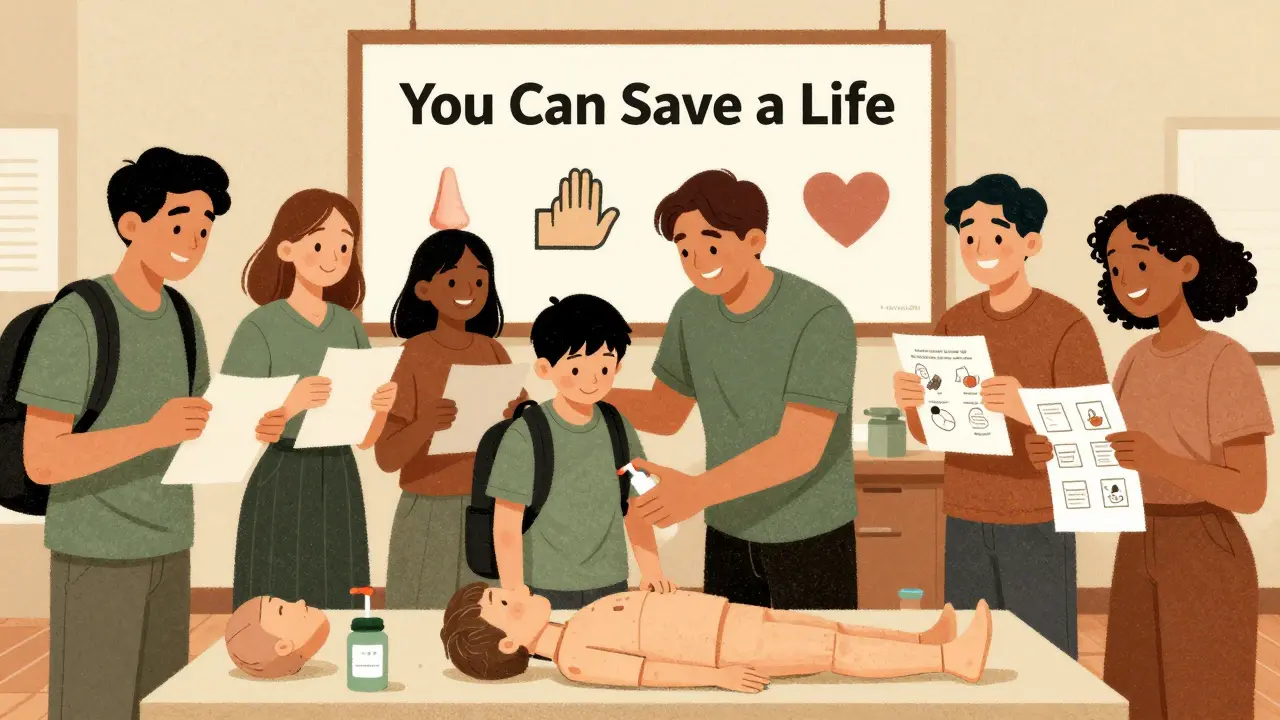
You don’t need a certification. You don’t need to go to class. Most health departments offer 15-minute online videos or in-person demos. Johns Hopkins found that 92% of people could correctly use naloxone after just one 15-minute session.
Here’s the bare minimum you need to know:
- Call 911 first - always.
- Check if they’re breathing. If not, start rescue breathing if you can.
- Give naloxone - one spray in one nostril.
- Wait 2-3 minutes. If no change, give another spray.
- Stay with them. Put them on their side. Don’t leave until EMS arrives.
The NIDA website has a free training module. It’s been viewed over 1.2 million times since 2023. Watch it. It takes 12 minutes. You might save a life.
What’s Next?
Naloxone isn’t the endgame. It’s a bridge. The real solution is treatment, prevention, and reducing stigma. But right now, it’s the only tool we have that works fast, reliably, and safely.
Researchers are working on longer-lasting versions. One candidate, NX-201, is in Phase II trials as of late 2024. It could keep someone stable for hours instead of minutes. That would be huge.
But until then, naloxone saves lives. Not every time. Not perfectly. But often enough to make a difference. And if you’re reading this, you might be the one who has it when it matters most.
Can naloxone hurt someone who didn’t take opioids?
No. Naloxone only works on opioid receptors. If there are no opioids in the system, it has no effect. It won’t cause withdrawal, drowsiness, or any side effects. That’s why it’s safe for anyone to use - even children or people with no medical training.
How many doses of naloxone might I need for a fentanyl overdose?
Fentanyl is extremely potent, and one dose of naloxone often isn’t enough. The CDC reports that 40% of fentanyl overdoses require two or more doses. Start with one spray or injection. If there’s no improvement in 2-3 minutes, give another. Keep going until the person starts breathing or help arrives. Don’t stop because you think you’ve used too much - the risk of death is far greater than the risk of withdrawal.
Is naloxone legal to carry without a prescription?
Yes. All 50 states allow naloxone to be purchased without a prescription. The FDA approved the first over-the-counter nasal spray in March 2023. You can buy it at pharmacies, gas stations, and online without showing ID or a doctor’s note. Some states even let pharmacies give it out for free through public health programs.
What should I do after giving naloxone?
Call 911 immediately - even if they wake up. Naloxone wears off faster than many opioids, so they can overdose again. Stay with them. Put them in the recovery position (on their side). Watch for vomiting or breathing problems. Don’t let them walk around or take more drugs. Medical help is still needed, even if they seem fine.
Can I reuse a naloxone nasal spray?
No. Each nasal spray is single-use. Once you press the plunger, the device is empty. Even if you think there’s liquid left, don’t try to use it again. The spray mechanism is designed to deliver one exact dose. Reusing it could mean giving an incomplete or ineffective amount. Always carry at least two doses if you’re in a high-risk environment.
Where can I get free naloxone?
Many community health centers, needle exchange programs, and local health departments give out free naloxone kits. Some pharmacies offer them at no cost under public health programs. Check naloxoneone.org or call your state’s health department. In many areas, you can pick one up without an appointment, insurance, or ID.
If you’re reading this because you’re worried about someone - or because you’re afraid you might need it yourself - you’re not alone. And you’re not too late. Naloxone is simple. It’s safe. It’s available. And it works. Keep one handy. Know how to use it. And if you ever need to use it - don’t hesitate. Someone’s life could depend on it.
Comments
Corey Chrisinger
i mean... this is the kind of info that should be taught in middle school. like, we learn how to do CPR but no one tells you how to save someone from fentanyl? 🤦♂️ naloxone is basically the superhero spray we didn't know we needed. just keep one in your glovebox. seriously.
January 18, 2026 AT 00:25
Bianca Leonhardt
people still act like opioid users are just 'weak' or 'lazy'. guess what? my cousin overdosed on a fake oxycodone pill he bought off a guy at a party. he didn't even know it was fentanyl. naloxone saved him. stop judging. start carrying.
January 19, 2026 AT 11:41
Travis Craw
i got my first naloxone spray last month after my buddy almost died. i was scared to use it at first... but then i watched the 12 min video from nida. it was way easier than i thought. now i keep it clipped to my keys. no shame in being prepared.
January 19, 2026 AT 17:10
Christina Bilotti
oh look, another feel-good public service announcement. how about we stop treating addiction like a medical emergency and start treating it like the chronic disease it is? naloxone is just a bandaid on a bullet wound. but sure, let's hand out sprays like candy while the system keeps failing people.
January 21, 2026 AT 13:44
Corey Sawchuk
i live in canada and we've had naloxone available for years. no big deal. people use it. people live. the real issue is that so many still think this is about morality instead of public health. just keep one handy. it's not complicated.
January 23, 2026 AT 02:12
Rob Deneke
you got this. if you're reading this, you're already doing more than most. keep sharing this info. even one person learning how to use it could save a life tomorrow. you're not just helping-you're changing the game.
January 23, 2026 AT 04:53
evelyn wellding
just got my free kit from the community center!! 🎉 so easy to use and they gave me a little card with the steps. my mom even asked if she could keep one at her house. that’s the spirit 💪❤️
January 24, 2026 AT 04:55
Chelsea Harton
fentanyl in weed now? wow. so we're all just playing russian roulette with our lungs now?
January 25, 2026 AT 01:56
swarnima singh
this is why god made suffering. if you choose to destroy yourself with drugs, why should others risk their peace to save you? naloxone enables. true compassion is letting people face the consequences.
January 26, 2026 AT 01:16
Isabella Reid
i work in a shelter and we hand out naloxone like tissues. one guy used it on his brother last week. they didn't speak for 3 years. after that? they hugged. and now they're talking about rehab. this isn't just medicine. it's a bridge.
January 27, 2026 AT 12:59
Jody Fahrenkrug
i used to think this was for 'other people'. then my neighbor’s kid overdosed at a party. they didn’t even know what was in the pill. i’m keeping two sprays in my purse now. no regrets.
January 29, 2026 AT 05:36