
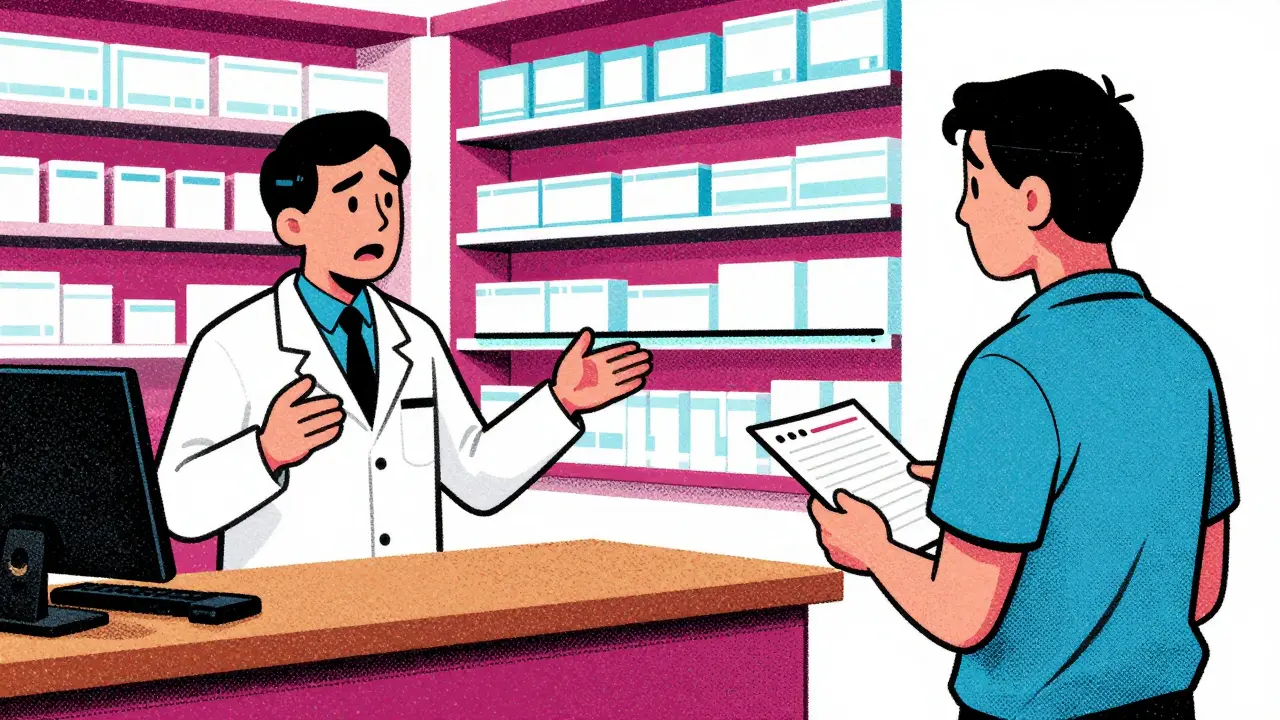
Imagine walking into your local pharmacy and being told that the medicine you've taken for years is simply gone. There's no replacement on the shelf, and the supplier says they have no idea when restocking will happen. This scenario isn't rare; it is the daily reality for many patients in the United States. Generic drug shortages are periods when the demand for a drug exceeds its supply due to manufacturing disruptions, quality issues, or other supply chain constraints. As of late 2025, this issue remains a critical vulnerability in our healthcare system, affecting everything from chronic pain management to cancer treatment.
The scale of the problem is staggering. According to data tracked by the American Society of Health-System Pharmacists, there were over 270 active drug shortages reported in the United States by April 2025. While this number fluctuates slightly from month to month, it represents a massive departure from historical averages. In 2008, annual shortages hovered around 60 to 70. By 2011, that number skyrocketed to over 250, and we haven't seen a return to normalcy since. The persistence of these gaps suggests something deeper is wrong with how medicines are made, distributed, and priced.
The Root Causes Behind the Crisis
Why does this keep happening? It comes down to a combination of economics, geography, and regulation. Many people assume there are dozens of factories producing every essential medicine. That isn't true. The reality is far more fragile.
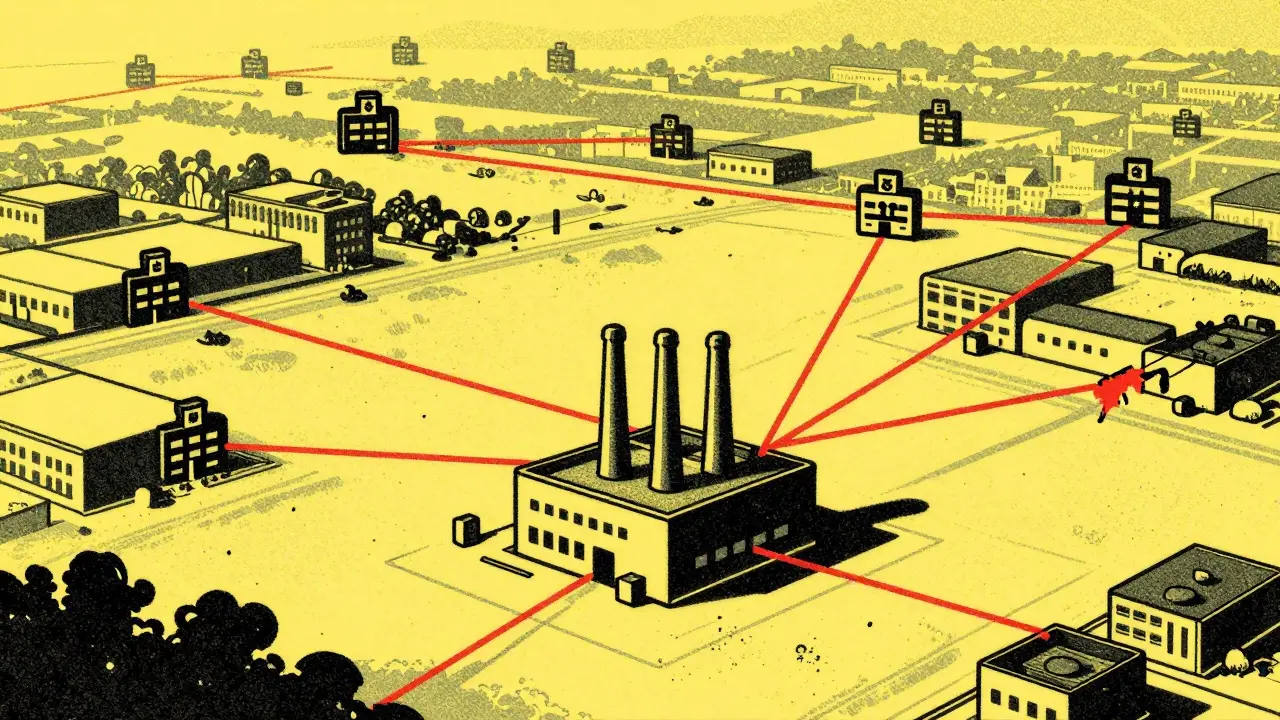
Manufacturing concentration is a primary driver. Approximately 70 percent of generic drugs have only one or two FDA-approved manufacturers in the entire supply chain. If a single factory shuts down for inspections or faces equipment failure, the global supply evaporates almost overnight. This lack of redundancy creates single points of failure that ripple through hospitals and clinics.
Economic margins play an equally significant role. Generic drugs are known for being affordable, but that affordability often squeezes the producers dry. Industry financial reports indicate that manufacturers earn as little as 5 to 10 percent gross margins on generic products, compared to 30 to 40 percent for brand-name drugs. When profit margins are razor-thin, investing in better quality control or expanding production capacity becomes financially unattractive. Dr. Valerie Malta from the University of Utah notes clearly that low-priced drugs are more vulnerable to shortage because they yield thin profits that disincentivize manufacturers from staying in the market.
We cannot ignore the geopolitical aspect either. A significant portion of our medicine supply relies on imports. Over 50 percent of drugs used in the U.S. are manufactured abroad. Even more concerning is the source of the building blocks. Approximately 80 percent of active pharmaceutical ingredients come from facilities in China and India. This heavy reliance on foreign infrastructure means local disasters, trade disputes, or shipping delays can halt production pipelines for months.
| Feature | Generic Drugs | Brand-Name Drugs |
|---|---|---|
| Average Gross Margin | 5% - 10% | 30% - 40% |
| Typical Manufacturer Count | 1 or 2 | Multiple options available |
| Median Price Increase During Shortage | 14.6% | 0% |
| Substitute Availability | Limited or none | Often exists |
Impact on Patient Access and Safety
When supply chains break, the burden falls on patients and healthcare workers. The statistics tell a grim story, but individual experiences highlight the human cost. A survey from the American Hospital Association found that 89 percent of hospitals reported experiencing critical drug shortages that forced treatment delays. Oncology departments are hit particularly hard. About 67 percent of cancer centers had to modify chemotherapy regimens because essential medications like cisplatin were unavailable.
Patient safety takes a hit when alternatives must be used. Sometimes there are no safe alternatives, leading to abandoned prescriptions. In online communities like Reddit's r/pharmacy, practitioners share stories of running out of vancomycin powder for eight months, forcing them to use alternative antibiotics that are less effective and more expensive. This puts patients directly at risk for worse outcomes. One study showed that 63 percent of pharmacists surveyed reported that drug shortages led to serious adverse patient outcomes.
The operational burden is immense. Pharmacists now spend approximately 15 to 20 hours per week just managing shortage-related activities. They are identifying therapeutic alternatives, changing automation settings, and updating electronic health records. This work distracts from their core clinical duties and exacerbates staffing shortages already present in the industry. Hospitals estimate spending around $213 million annually just on the administrative overhead of managing these disruptions.
Difference Between Generic and Brand Scarcity
It is important to distinguish between generic and brand-name drug shortages, as the dynamics differ significantly. Between 2018 and 2023, there were 1,391 generic shortages versus 600 brand shortages. Despite generics representing 90 percent of all prescriptions filled, they represent over twice as many shortage events relative to their market volume.
While brand-name drugs occasionally face shortages, they rarely affect patient access to the same degree. Brand companies often have larger buffers of excess manufacturing capacity. Generic manufacturers tend to operate with very lean inventories to maximize efficiency, leaving no room for error when demand spikes or production lags. Furthermore, when a brand drug goes missing, doctors often have similar branded alternatives to switch to. With generics, if the molecule itself is gone, patients might be switched to a much older or potentially unsafe formulation if supplies run critically low.
Supply Chain Trends and Future Risks
Looking toward the future, the trend lines are concerning. The Congressional Budget Office projected in January 2025 that without policy changes, the number of active drug shortages could reach 350 by the end of 2026. We are currently seeing signs of this trajectory.
Tariffs pose another threat. Proposed tariffs ranging from 50 to 200 percent on pharmaceutical imports could disrupt an already fragile global supply chain. Analysts at SVB Securities warned earlier this year that such measures would disproportionately hurt the supply of generic sterile injectables, which are difficult to manufacture domestically.
There have been efforts to fix this. The signing of Executive Order 14050 in October 2020 created the Essential Medicines List. This initiative coincided with a substantial decrease in shortages of critical products, dropping by 32 percent between 2020 and 2023. However, shortages began rising again in 2023, indicating that while policy helps, it hasn't solved the underlying market failures yet.
Strategies for Improvement
Solving this crisis requires a multi-pronged approach. The FDA's 2024 Drug Shortage Task Force identified four key strategies for improvement. First, diversifying manufacturing geographically reduces the risk of regional disruptions. Second, creating financial incentives for reliable supply encourages companies to prioritize stability over lowest price. Third, implementing advanced manufacturing technologies can speed up production. Finally, improving early warning systems allows hospitals to prepare before supplies run dry.
Dr. Erin Fox explains that maintaining low to no excess manufacturing capacity increases vulnerability. If manufacturers built even a small buffer stock for essential medicines, it could prevent temporary interruptions from becoming long-term crises. However, until pricing structures incentivize investment in quality manufacturing, shortages remain a persistent threat to U.S. healthcare for the foreseeable future.
Why are generic drugs more prone to shortages than brand-name drugs?
Generic drugs often have only one or two approved manufacturers globally, creating single points of failure. Additionally, manufacturers earn very thin profit margins (5-10%) compared to brand-name drugs (30-40%), which reduces the incentive to invest in backup inventory or resilient supply chains.
What happens to patients when a generic drug runs out?
Patients may face treatment delays, higher costs, or be switched to less effective alternatives. In severe cases, particularly with oncology drugs, chemotherapy regimens must be modified, which can negatively impact recovery rates.
How long do drug shortages typically last?
The median duration of generic drug shortages has increased significantly over time, moving from 12 months in 2011 to 24 months in 2023. This indicates growing systemic challenges in resolving supply issues quickly.
Which types of medications are most affected?
Sterile injectable drugs face the highest risk, accounting for approximately 60 percent of all generic drug shortages. This is due to complex manufacturing requirements and specialized facility needs.
Is anything being done to reduce shortages?
Yes, initiatives like the Essential Medicines List under Executive Order 14050 helped reduce critical shortages by 32 percent from 2020 to 2023. Current strategies focus on diversifying manufacturing locations and improving transparency in reporting.
Comments
Eleanor Black
This situation is truly heartbreaking for the countless families who rely on these essential medications every single day for their survival.
The disruption of supply chains inevitably leads to severe health consequences that we simply cannot ignore any longer.
I understand that manufacturers operate on slim margins, yet the human cost far outweighs any financial savings they might achieve through efficiency.
It seems disheartening that patients are left without adequate protection when factories encounter even minor mechanical failures overseas.
We often forget that these numbers represent real individuals suffering in silence while waiting for pharmaceutical stability.
Hospitals are forced to ration care which is a nightmare scenario for any dedicated healthcare professional.
The lack of redundancy in our global system exposes us all to unnecessary risks during critical treatment windows.
Policymakers need to prioritize resilience over pure profitability when drafting future healthcare regulations for public safety.
Every delay in restocking creates a ripple effect that damages trust between physicians and their vulnerable patients.
We must advocate for stronger domestic production capabilities to safeguard against international trade volatility and instability.
Families deserve peace of mind knowing their prescriptions will remain available regardless of economic market fluctuations.
The data indicates a clear trend towards fragility that demands immediate and comprehensive legislative intervention.
It is unacceptable that basic medical necessities remain subject to such precarious supply management protocols globally.
We hope that awareness of these systemic failures will eventually lead to meaningful reforms in the industry standards.
Please let us pray for those currently experiencing life-altering disruptions due to these persistent medication shortages.
April 1, 2026 AT 14:10
Molly O'Donnell
This entire pharmaceutical infrastructure is completely doomed to fail without drastic changes implemented immediately today.
April 1, 2026 AT 20:42
Callie Bartley
Why do we keep letting foreign nations control our medicine supply when we could manufacture everything right here domestically?
Reliance on Chinese and Indian ingredients is a massive national security risk that nobody is talking about enough publicly.
Those companies don't care about American patients; they only care about maximizing their own profits back home.
We should stop importing generic drugs entirely and force US factories to pick up the slack regardless of costs.
Tariffs were mentioned but not enough pressure is being applied to shift production grounds permanently.
April 3, 2026 AT 15:45
Arun Kumar
Having lived in India where much of this manufacturing happens, I can tell you it isn't negligence but complex regulatory hurdles abroad.
Many facilities are actually quite advanced but face intense competition for raw materials which drives local costs up significantly.
We are proud contributors to global health stability despite the challenges described in your report regarding logistics.
Cultural differences in safety reporting sometimes slow things down more than technical limitations ever would in modern plants.
Collaboration rather than blame is the only way to fix these gaps effectively in the near future timeframe.
April 4, 2026 AT 05:11
Sharon Munger
That was beautifully said Eleanor especially regarding the impact on hospital staff morale.
I think we can find common ground if we focus on incentivizing quality over cutting corners for pennies.
Supporting local initiatives to help bridge the gap between policy makers and factory owners might help too.
Together we can push for solutions that keep everyone safe instead of arguing about whose fault it is primarily.
Let us encourage each other to stay informed and compassionate during this difficult transition period ahead.
April 5, 2026 AT 01:12
James DeZego
Thanks for sharing these perspectives, they really add depth to the understanding of the problem! 🙏
It is clear we need robust backup plans to prevent future crises like this from repeating so frequently.
Hopefully the task forces mentioned can deliver real actionable results soon for everyone concerned! 💪
April 5, 2026 AT 14:01
Rod Farren
The utilization of lean inventory models within pharmaceutical logistics fundamentally exacerbates variance in supply availability curves.
When buffer stocks are minimized to absolute thresholds, stochastic demand spikes immediately precipitate catastrophic fulfillment failures.
We need dynamic safety stock algorithms integrated into ERP systems across all tier-one manufacturing entities globally.
Furthermore, the lack of vertical integration in active pharmaceutical ingredient sourcing compounds lead time variability significantly.
Optimization of the distribution network requires a holistic approach combining predictive analytics with strategic reserve deployment.
April 7, 2026 AT 06:45
Jenny Gardner
This is absolutely terrifying, isn't it!!?? Who is going to pay for the expensive alternatives then!!!
I worry about my own family getting caught in this mess next!!!
The statistics are genuinely shocking when you read them carefully!!!
April 7, 2026 AT 08:17
Rocky Pabillore
People always complain about price when the quality of generic formulations is undeniably inferior anyway.
If they want reliable meds they should buy brand names and stop expecting miracles from budget pharmaceuticals.
The shortage is merely a consequence of consumers demanding subpar products sold below fair market valuation rates.
Quality comes at a premium and refusing to acknowledge that reality is part of the structural problem itself.
April 8, 2026 AT 20:41
Julian Soro
Arun, thank you for bringing that cultural nuance to the table because it really helps reframe the issue constructively! 🔥
We definitely need to avoid pointing fingers and focus on how we can build bridges between regions effectively.
There is hope that international cooperation will solve the bottleneck problems we are seeing currently.
April 10, 2026 AT 12:01
Cara Duncan
I am so worried about cancer patients not getting their chemo on time 😢💔🥀
Does anyone else feel helpless reading this kind of news lately? 🤷♀️😩
We need to send love to all the pharmacists working overtime right now ❤️✨🚑
April 12, 2026 AT 02:02
Cullen Zelenka
Hey everyone just remember that progress is happening slowly and steady wins the race here.
We are making strides in diversifying suppliers and that is good news overall.
April 12, 2026 AT 06:04
Owen Barnes
It's sad to see medcins running out all the time in pharmacies nearby.
Maybe govrent needs to step in and offer tax breaks for building new facilties here locally.
But unfortuntely companies wnt to maximize profit above all else and ignore safety buffers.
I think we shoudl also invest in tech to make drugs faster maybe AI can help thngs move quicker.
Until then patients just gona have to deal with the chaos and hope for better days soon.
We have to stay positive even when the outlook feels pretty dark for some people.
Thanks for listening to my thoughts on this serious topic everyone.
April 12, 2026 AT 22:23