
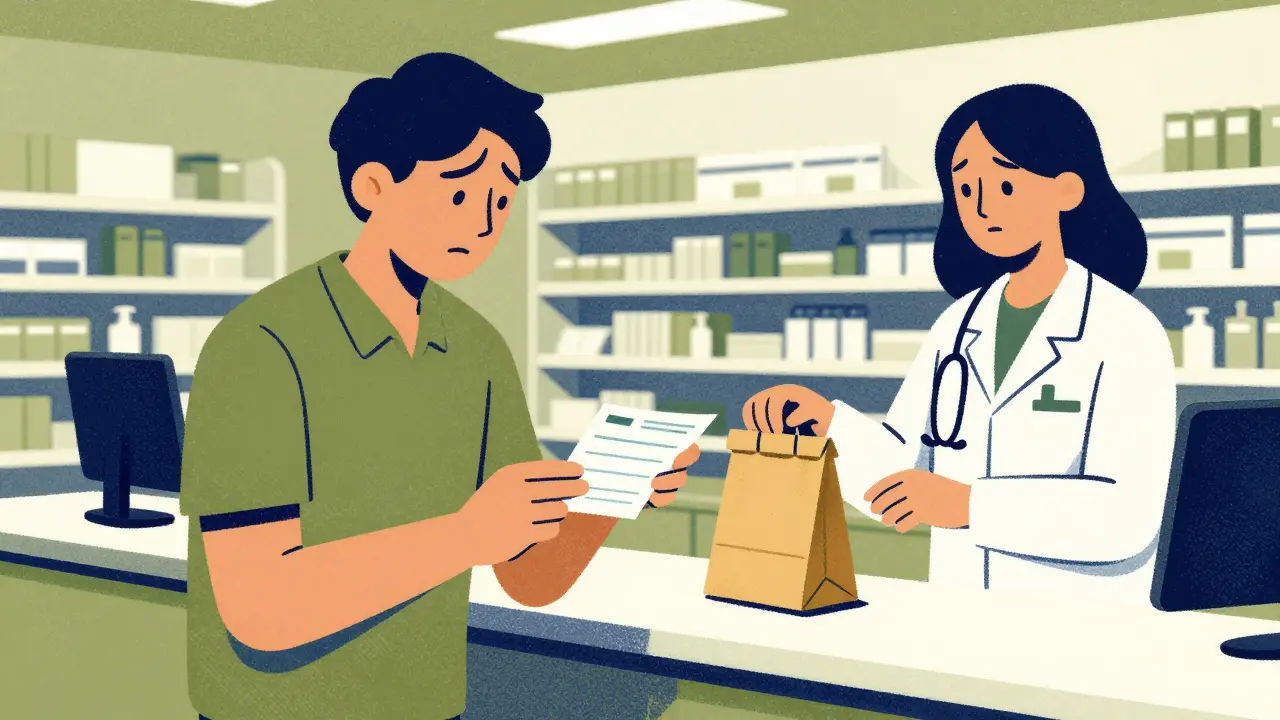
You've handed over the prescription to the pharmacist, and you hear a familiar comment about the price difference. The generic option is significantly cheaper, yet a thought creeps in: Will this actually work? If you're hesitating at the counter, you aren't alone. Many patients worry that because the pill costs less, it contains fewer active ingredients or isn't held to the same safety standards.
This hesitation often stems from a gap in understanding how pharmaceutical regulations work globally. In reality, the difference between a generic and a brand-name drug usually comes down to manufacturing costs, not medical efficacy. To help clear the air, let's break down exactly what goes into a generic medication, why regulators demand strict equivalence, and when you might need to ask your doctor for a specific brand instead.
What Defines a Generic Medication
Generic Medications are pharmaceutical products containing the same active ingredients as their brand-name counterparts but typically sold at lower prices after patents expire. The core concept relies on the fact that once a Brand-Name Drug patent protection ends, other manufacturers can produce versions of that medicine.
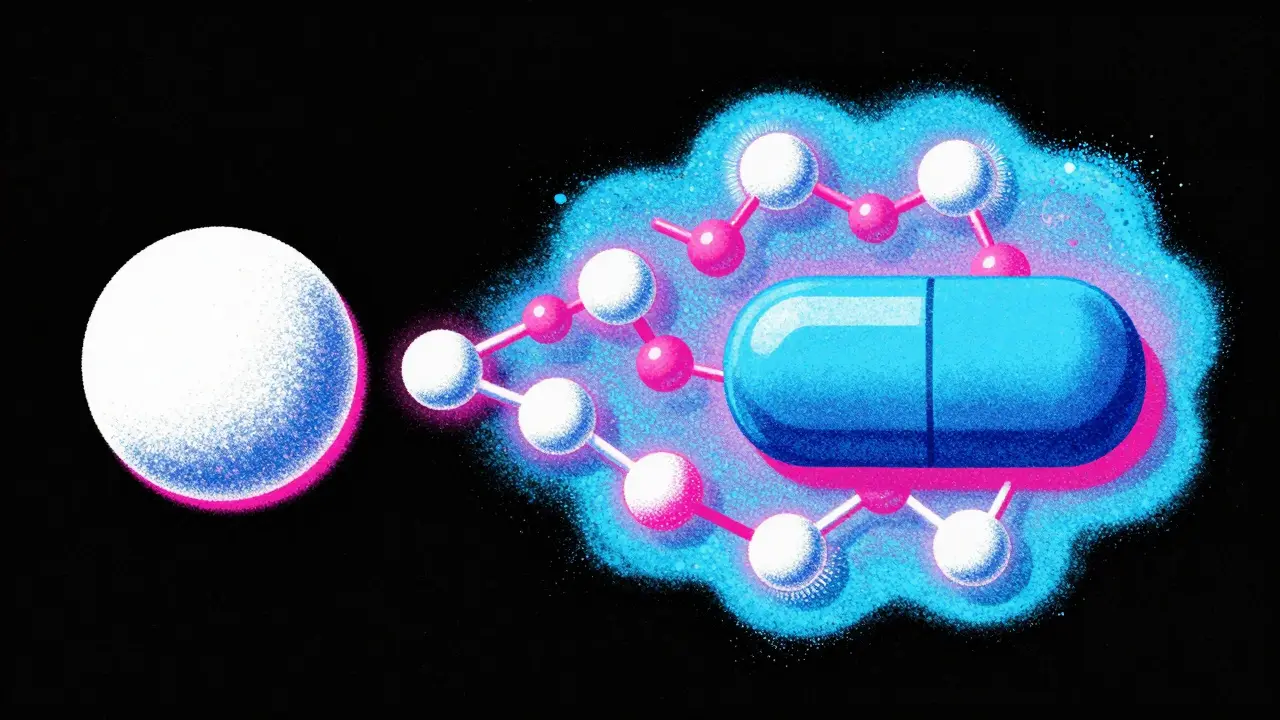
The most critical factor here is the Active Ingredient. This is the chemical substance responsible for treating your condition. For a generic drug to get approved, it must contain the exact same active ingredient as the original brand product. Think of it as copying a specific recipe. The cooking process or the kitchen equipment might differ slightly, but the flour and sugar-the parts that actually do the work-must remain identical.
Regulatory bodies like the U.S. Food and Drug Administration (FDA) government agency responsible for protecting public health by assuring the safety of drugs enforce strict pathways for this approval. Under the Hatch-Waxman Act of 1984, manufacturers don't need to redo massive clinical trials proving safety from scratch. Instead, they utilize the Abbreviated New Drug Application (ANDA) process. This system requires manufacturers to prove that their version behaves the same way in the human body as the original, a concept known as bioequivalence.
Understanding Bioequivalence Standards
If generic pills are supposed to match brand-name drugs, does a small variation matter? Yes, but it is controlled within safe limits. This is where Bioequivalence becomes the defining metric. It measures how quickly and how much of the drug enters your bloodstream.
Regulations mandate that the absorption of the generic's active ingredient must fall within a specific window-typically between 80% to 125% of the brand-name drug's pharmacokinetic profile. While a number like "125%" sounds like a lot to a layperson, it accounts for natural biological variability. Even different batches of the same brand-name drug can fluctuate slightly. The goal is to ensure that the generic performs statistically the same in terms of strength, quality, purity, and potency.
| Feature | Brand-Name Drug | Generic Medication |
|---|---|---|
| Active Ingredient | Specific Chemical Compound | Identical Chemical Compound |
| Dosage Form | Tablet, Capsule, Liquid | Same form required |
| Safety Testing | Full Clinical Trials Required | Bioequivalence Testing Required |
| Price Point | Typically Higher (Patent Protected) | Significantly Lower (Competitive Market) |
| Appearance | Possess Trademarked Color/Shape | May Differ (No Copying Marks) |
Why Does the Pill Look Different?
A common reason patients switch back to a brand-name product is simple visual confusion. A generic version rarely looks like the original. It might be a different color, shape, or even have a different imprint code. This happens because trademark laws prevent the generic manufacturer from copying the "look" of the patented pill.
The differences lie in the Inactive Ingredients, also known as excipients. These include fillers, binders, dyes, and flavorings. While they don't treat the condition, they determine the pill's appearance and how fast it dissolves in the stomach. Because different companies use different suppliers for these materials, your generic aspirin might taste different than the brand name you grew up with. However, the regulations require these inactive ingredients to be non-toxic and compatible with the active ingredient.
Safety Data and Real-World Usage
It is easy to rely on fear rather than statistics, but data shows a strong trend toward confidence in generics. According to reports, generics account for roughly 90% of all prescriptions dispensed in the United States while making up only about 23% of total spending. This massive volume suggests both doctors and patients trust them.
However, surveys indicate skepticism persists. A national survey published in the Journal of General Internal Medicine found that despite high awareness, nearly half of patients had asked their physicians to prescribe brand-name drugs over generics in the past year. Some participants in rural studies believed generics contained "more synthetic" components designed to make them stronger, fearing side effects were a result of inferior formulations. In reality, side effects are usually reactions to the active ingredient itself, regardless of whether it comes from a brand or generic manufacturer.
The Exception: Narrow Therapeutic Index Drugs
While the vast majority of generic swaps are seamless, there is a specific category where caution is warranted: Narrow Therapeutic Index (NTI) Drugs. These are medications where the difference between a dose that works and a dose that causes toxicity is very small.
This group includes certain antiseizure medicines (like phenytoin and levetiracetam), blood thinners (like warfarin), and thyroid medications (like levothyroxine). Because the margin for error is so thin, experts recommend closer monitoring when switching between brand and generic versions for these specific conditions. If you are on one of these medications, discuss stability with your provider. They may prefer you stay on one specific manufacturer's product consistently to maintain steady blood levels.

Cost Impact and Healthcare Savings
The economic argument for generics cannot be overstated. Because manufacturers do not repeat the expensive discovery and clinical trial phases, the production cost drops significantly. Multiple manufacturers can compete to sell the same generic formula, driving prices down further.
Data suggests generic competition reduces drug prices by 80% to 90% within the first six months of market entry. On a macro level, this competition has saved the healthcare system billions annually. For individual families, the difference can mean the difference between filling a prescription or skipping a dose. It is important to remember that pharmacies often automatically substitute a generic for a brand unless explicitly told otherwise. Pharmacists play a vital role here, as they are the final checkpoint ensuring you get the most cost-effective regimen that meets your safety needs.
Talking to Your Pharmacist
Finally, never hesitate to ask questions. If you experience a new headache or dizzy spell after switching to a generic, tell your pharmacist. Sometimes, the change in an inactive ingredient affects patients who are sensitive to specific dyes or fillers.
Your pharmacist can also clarify legal substitution rules. If a doctor writes "Do not substitute," they will provide the brand. However, if they leave it open, state laws usually allow the generic. Building a relationship with your local pharmacy helps manage these transitions smoothly.
Are generic drugs just as effective as brand-name drugs?
Yes. Regulatory agencies like the FDA require generic drugs to have the same active ingredient and bioequivalence as brand-name drugs, meaning they work the same way in the body.
Can generic medications cause more side effects?
Side effects usually stem from the active ingredient. While inactive ingredients (fillers) can differ, rigorous testing ensures they do not increase side effect risks significantly.
Why does my generic pill look different than the brand?
Generics cannot copy the trademarked color or shape of the brand-name drug due to intellectual property laws. Differences in size or color reflect different inactive ingredients.
Should I stay on brand-name drugs for heart conditions?
For most heart medications, generics are safe. However, for narrow therapeutic index drugs like warfarin, staying consistent with one manufacturer is often recommended.
Is it possible for a generic drug to be counterfeit?
Purchasing from licensed pharmacies virtually eliminates this risk. Regulated generic supply chains undergo strict quality checks similar to brand drugs.
Comments
Rachelle Z
I honestly think the pricing difference is huge enough to ignore the pill color! 🤷♀️ Why pay extra for marketing hype when the chemistry is identical??
April 3, 2026 AT 08:38
Branden Prunica
The drama around switching brands is wild but I get why people panic. It feels safer sticking with what you know even if it costs more 💸.
April 4, 2026 AT 17:18
Ace Kalagui
It is interesting how many people still fear the generic versions despite the evidence. I remember my grandfather always refused anything that was not the original brand. He believed the color mattered more than the actual chemical composition inside. That kind of thinking really limits access to necessary healthcare treatments for everyone. We have to trust the regulatory bodies that check these standards rigorously every time. Without trust in the system prices remain high and people suffer financially. You see this pattern repeat itself in so many different communities across the globe. Some nations handle the approval process much better than others do right now. It is frustrating when misinformation spreads faster than scientific facts ever can. Education is the key tool we need to combat those persistent myths effectively. I appreciate that this post explains the bioequivalence standards clearly enough. Most folks do not know that the active ingredient is legally required to match. The inactive fillers change mostly to satisfy trademark laws and nothing else. Patients should feel empowered to ask their pharmacists about these details directly.
April 6, 2026 AT 10:37
Hope Azzaratta-Rubyhawk
We must enforce stricter guidelines to prevent confusion among consumers. Ignoring these regulations is negligence.
April 6, 2026 AT 13:45
Mark Zhang
I understand the concern but the data backs up the safety completely. It helps to talk it through with a trusted professional.
April 7, 2026 AT 07:11
simran kaur
They don't tell you that the supply chains are often outsourced to places with lax oversight standards. Big pharma wants you to question the quality constantly.
April 8, 2026 AT 14:39
Jenna Carpenter
Its obvious that gereric meds are just cheep copies they dont work as well as the big brands i seen ppl complain alot
April 9, 2026 AT 10:53
Brian Shiroma
That is exactly the kind of anecdotal reasoning that keeps prices artificially high for everyone. Trust the FDA testing results instead.
April 10, 2026 AT 02:35
Sam Hayes
From what I've seen working in pharmacies most patients save tons of money just by accepting the switch. The active drug is the same molecule
April 10, 2026 AT 07:13
sophia alex
American healthcare should demand better transparency on sourcing materials used in these pills 😒🇺🇸
April 11, 2026 AT 07:36
Dipankar Das
Regulatory compliance remains the cornerstone of pharmaceutical safety protocols globally. Adherence to standards ensures patient welfare above profit margins.
April 11, 2026 AT 16:35
angel sharma
Let's push for more education so families can afford their treatment plans without breaking the bank. Knowledge empowers us to make informed choices today!
April 11, 2026 AT 20:40
Will Baker
I personally had a bad reaction to a generic fillers batch once so I refuse to swap now. Why should I risk it?
April 13, 2026 AT 06:58
Dee McDonald
Individual experiences matter but statistical safety is the metric that protects the majority. Don't let one story dictate policy.
April 15, 2026 AT 06:16
The Charlotte Moms Blog
The lack of transparency regarding manufacturing origins is absolutely unacceptable for public safety!!!?
April 16, 2026 AT 00:04