

Medication System Recommender
Find the right organization method for your specific needs
Fill out the details on the left to receive a personalized recommendation based on clinical adherence data.
Missing a single dose of a chronic medication isn't just a nuisance-it can be dangerous. In the U.S. alone, medication errors contribute to roughly 7,000 deaths every year, according to the FDA. For many of us, the problem isn't a lack of will, but a lack of a reliable system. Whether you're managing a complex cocktail of prescriptions or just trying to remember a daily vitamin, the right setup can be the difference between staying healthy and ending up back in the clinic.
Quick Guide to Choosing Your System
- Simple Needs (1-3 pills/day): Stick with a basic manual pill organizer.
- Moderate Complexity (Multiple times/day): Try a digital tracker or a smart dispenser with alerts.
- High Complexity (Complex schedules/Memory loss): Look into automated dispensers like MedaCube or pharmacy-integrated services.
- Caregiver Support: Prioritize systems with remote monitoring and missed-dose notifications.
Manual Systems: The Old-School Basics
For a huge number of people, a simple plastic box is all they need. Manual pill organizers are the most affordable entry point, typically costing between $3 and $25. These usually feature a 7-day layout with compartments for morning, noon, evening, and bedtime.
The beauty of these systems is that they require zero electricity and take about 15 minutes a week to set up. However, they aren't perfect. A study by NBMTM in 2023 found that manual systems only hit a 62% adherence rate. Why? Because they don't tell you when to take the pill; they only tell you if you've already taken it-and only if you remember to look at the box.
Digital Tracking and Smart Alerts
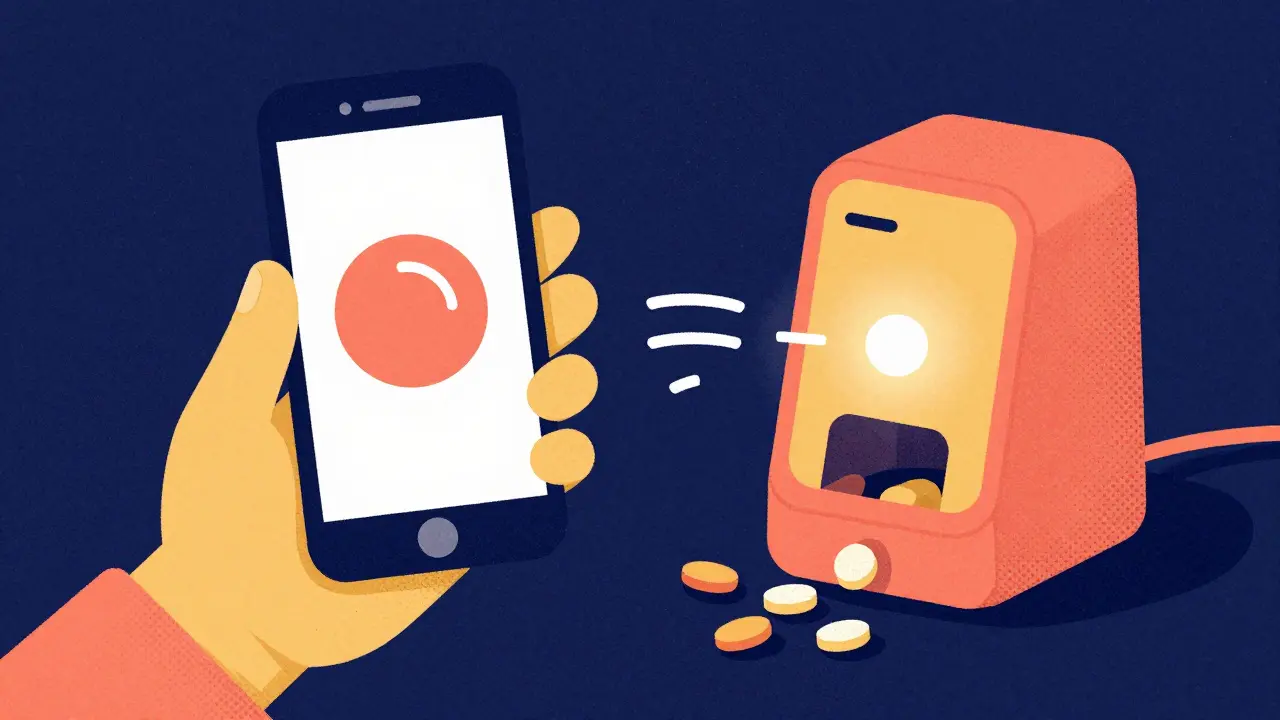
If you're comfortable with a smartphone, digital tracking is a great middle ground. This usually involves apps that send push notifications to your phone. For those who need something more physical, smart pill dispensers combine a physical container with digital reminders.
These tools can significantly boost adherence. According to a review by Dr. Michael Chen in PMC, technology-based monitoring can improve adherence by 18-26%. The downside? The "digital divide." About 37% of older adults find touchscreen technology frustrating or inaccessible, which can make an app-based system a source of stress rather than a help.
Automated Dispensers: High-Tech Peace of Mind
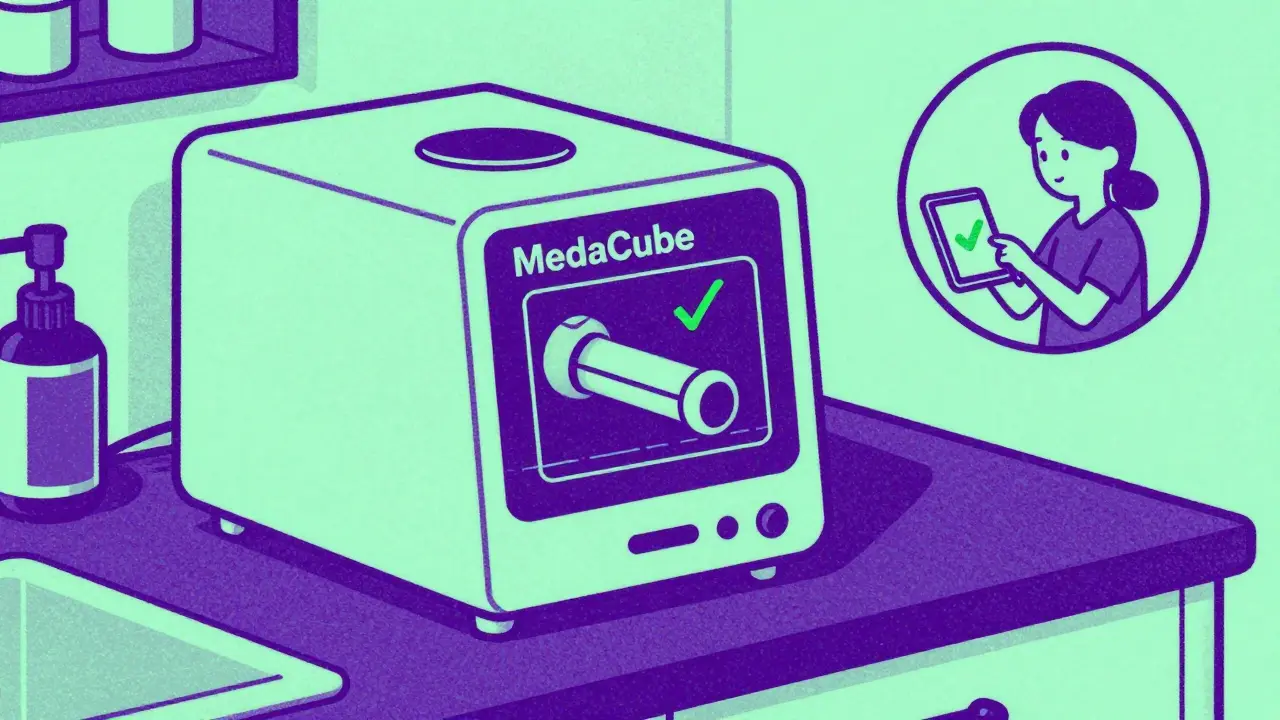
When the stakes are high or the regimen is complex, automated systems step in. MedaCube is a premium automated medication dispenser featuring a 90-day storage capacity, internal bins for up to 16 pills per dose, and a web-based monitoring portal.
These machines do the heavy lifting. Instead of you sorting pills into a box, the machine dispenses the exact dose at the exact time. They often include audio alerts and touch-screens. One of the biggest wins here is for caregivers. Imagine a daughter living 300 miles away who can check a web portal to see if her parent took their heart medication this morning-it turns a constant worry into a simple checkmark.
But these aren't cheap. A high-end automated dispenser can cost around $1,499. There's also a learning curve; about 41% of seniors need more than three training sessions to feel comfortable with the setup. You'll also want a backup battery pack, as power outages have affected about 22% of users in some reported data sets.
| System Type | Typical Cost | Adherence Rate | Best For | Main Drawback |
|---|---|---|---|---|
| Manual Boxes | $3 - $25 | ~62% | Simple daily routines | No active alerts |
| Digital/Apps | Free to Mid-range | Moderate Increase | Tech-savvy adults | Easy to ignore notifications |
| Automated (e.g., MedaCube) | $1,499 | ~89% | Complex regimens/Elderly | High initial cost & setup |
| Pharmacy-Integrated | Varies (Institutional) | Highest | Care facilities/Critical care | Lack of consumer availability |
Pharmacy-Integrated and Professional Systems
For those in assisted living or hospital settings, the organization moves beyond the home. DosePacker and Omnicell provide infrastructure that links directly to electronic health records. These systems are HIPAA-compliant and can handle up to 48 different medications with variable dosing.
These institutional systems are designed to stop human error at the source. In hospital settings, centralized automated stations have shown a 23% reduction in medication errors compared to manual charting. However, these are rarely available for individual home use due to the massive implementation costs-sometimes averaging $12,500 per facility.
Common Pitfalls and How to Avoid Them
No matter which system you choose, there are a few traps that can lead to dangerous mistakes. The most common is incorrect loading. In automated systems, about 34% of errors happen because the wrong pill was put in the wrong bin. To fix this, use color-coded loading instructions, which can cut these errors by 76%.
Another risk is the "false sense of security." Just because a machine is programmed doesn't mean it's foolproof. Software glitches can happen. As Dr. Linda Rodriguez of the American Pharmacists Association warns, relying entirely on automation without human oversight can create new pathways for error. Always do a quick manual check of your dispenser's output once a week.
Practical Steps for a Better Safety Plan
- Audit Your Meds: List every medication, the dose, and the exact time it needs to be taken.
- Match the Tool to the Person: Don't buy a $1,500 machine for someone who can't operate a tablet; they'll just get frustrated and stop using it.
- Set a "Refill Day": Whether it's Sunday morning for a plastic box or once a month for a MedaCube, pick a consistent day to reload.
- Establish a Support System: If using a digital system, ensure at least one family member knows how to troubleshoot the Wi-Fi or app settings.
- Keep a Manual Backup: Have a written list of medications and dosages in a visible place (like the fridge) in case of a power outage or system failure.
Are smart pill dispensers worth the high cost?
For people with high-risk medications or cognitive decline, yes. Systems like MedaCube boost adherence to around 89%, which is significantly higher than the 62% seen with manual boxes. The cost is an investment in preventing emergency room visits caused by missed or doubled doses.
What happens if the power goes out with an automated dispenser?
Many advanced dispensers have internal batteries, but for total peace of mind, buying a separate backup battery pack is recommended. This can reduce outage-related issues by nearly 89%. Always keep a manual list of your meds as a secondary backup.
Can I use a pill organizer for all my medications?
Not always. Some medications must be kept refrigerated or protected from light and moisture. Always check with your pharmacist to see if a drug is stable when removed from its original blister pack or bottle and placed in a plastic organizer.
How do I help a senior who struggles with technology?
Avoid app-only systems. Look for physical dispensers with loud audio alerts and simple flashing lights. If using a smart system, ensure a tech-savvy family member handles the initial setup and monthly refills, as 58% of system failures are linked to a lack of technical support.
What is a Comprehensive Medication Management (CMM) program?
CMM is a professional service where pharmacists and doctors conduct face-to-face reviews of a patient's entire medication list. It is far more effective than standard reviews, often resulting in higher adherence rates (up to 92% in specialized clinics) by combining human expertise with tracking technology.