
Posted by Patrick Hathaway with 10 comment(s)
Apr
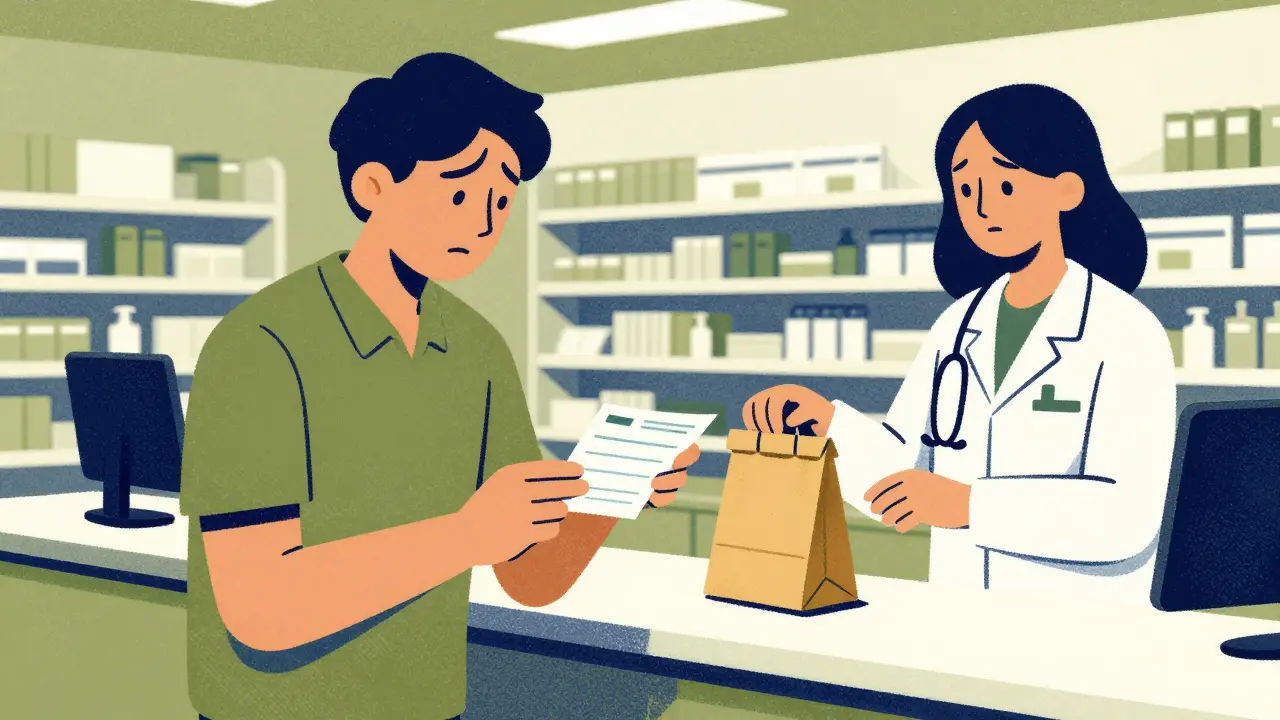
Explore why generic medications are a safe, affordable alternative to brand-name drugs. Learn about bioequivalence, potential exceptions, and key questions to ask your pharmacist.
view morePosted by Patrick Hathaway with 12 comment(s)
Mar
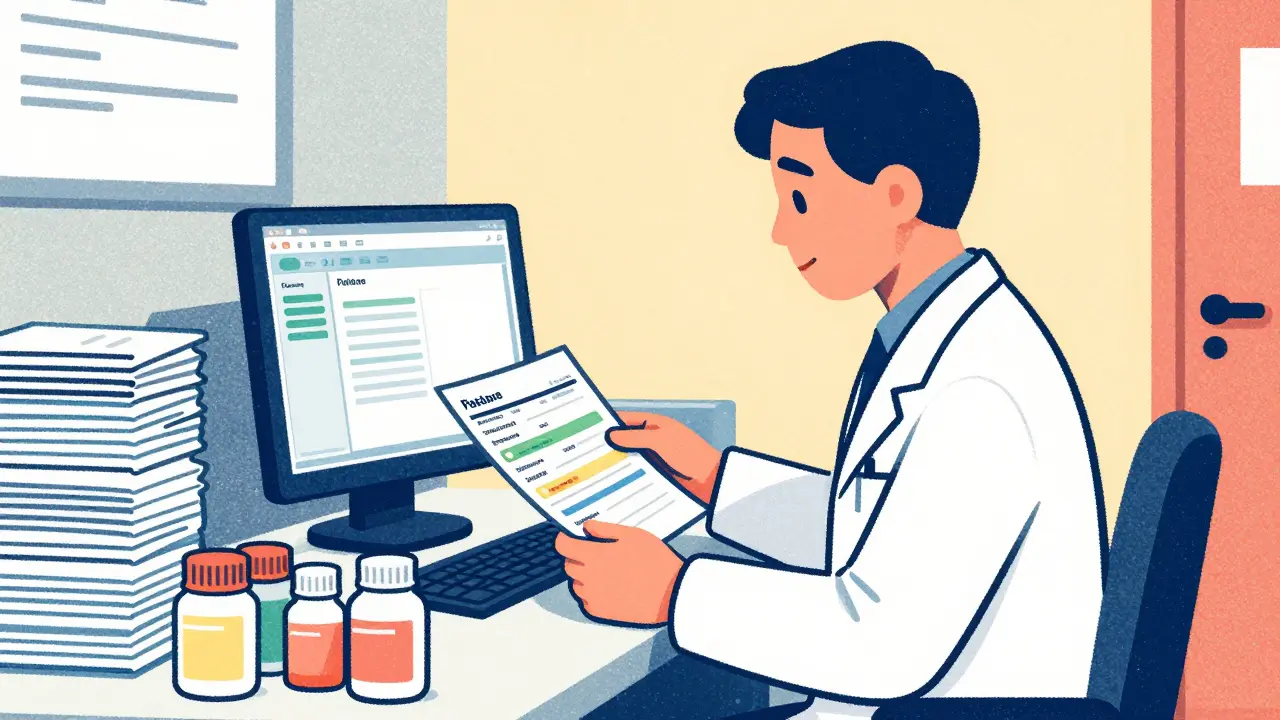
Explore how pharmacist-led substitution programs improve patient safety and reduce hospital readmissions through optimized medication management.
view morePosted by Patrick Hathaway with 9 comment(s)
Mar

Learn how to track side effects using simple, proven methods like the ABC model. Discover what to log, which tools work best, and how to turn symptoms into actionable insights for better health.
view morePosted by Patrick Hathaway with 10 comment(s)
Mar
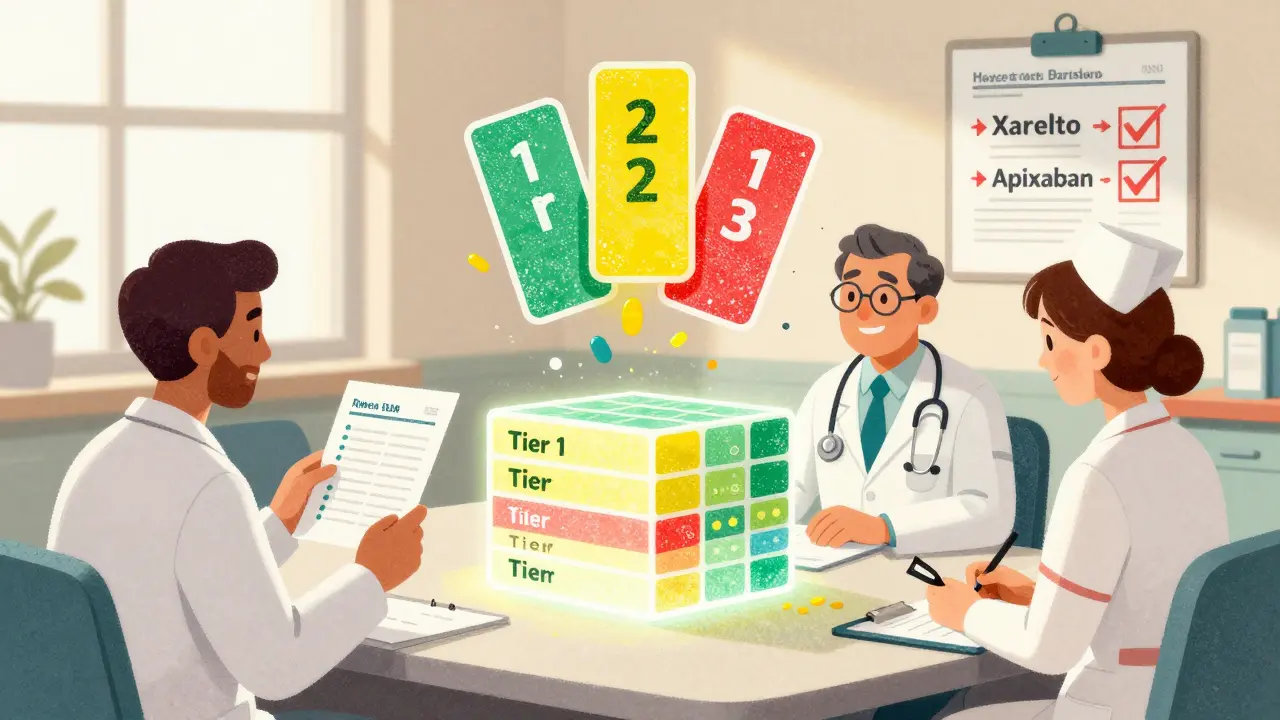
Institutional formularies are legally mandated drug substitution systems in hospitals and clinics that improve safety and reduce costs. Learn how they work, who controls them, and why they matter for patient care.
view morePosted by Patrick Hathaway with 9 comment(s)
Mar
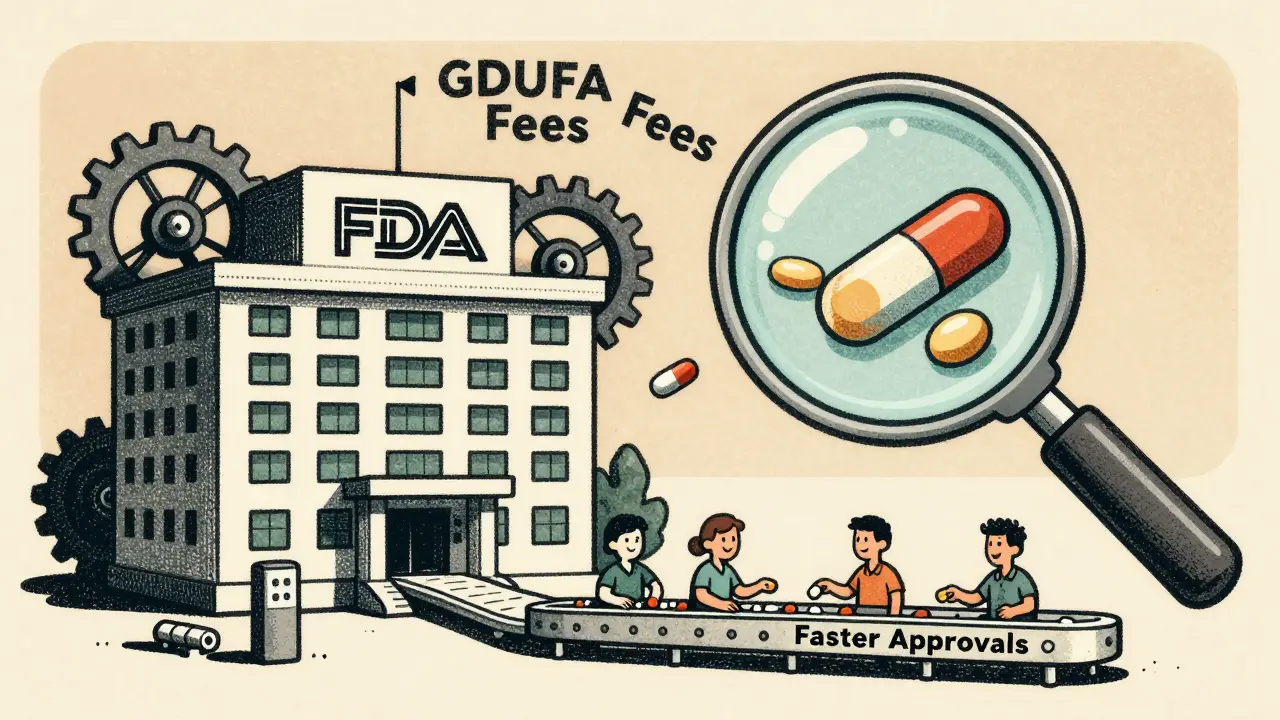
Generic Drug User Fee Amendments (GDUFA) fund FDA reviews of generic medications, cutting approval times from years to months. Learn how these fees speed up access to affordable drugs and why they matter for patients and manufacturers.
view morePosted by Patrick Hathaway with 15 comment(s)
Mar
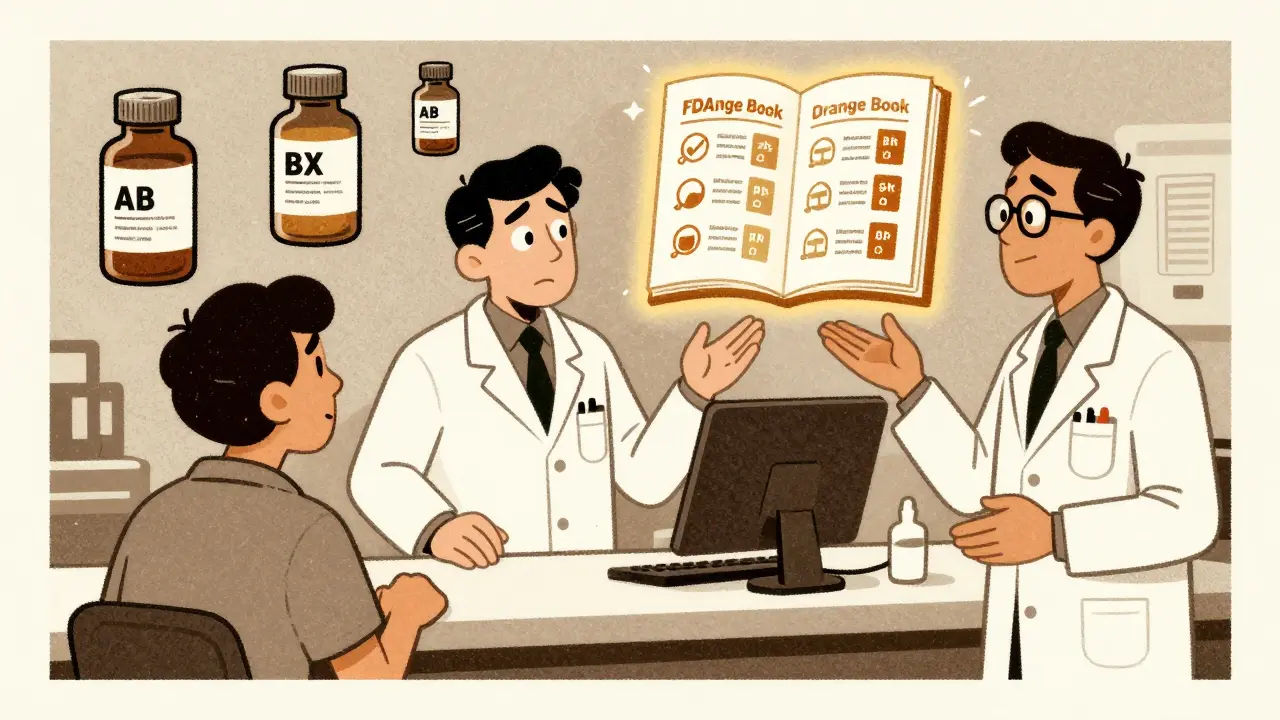
Pharmacists must stay current on generics to avoid substitution errors, meet state CE requirements, and ensure patient safety. Learn what's required, where to find quality education, and how to navigate the evolving landscape of generic and biosimilar drugs.
view morePosted by Patrick Hathaway with 8 comment(s)
Mar
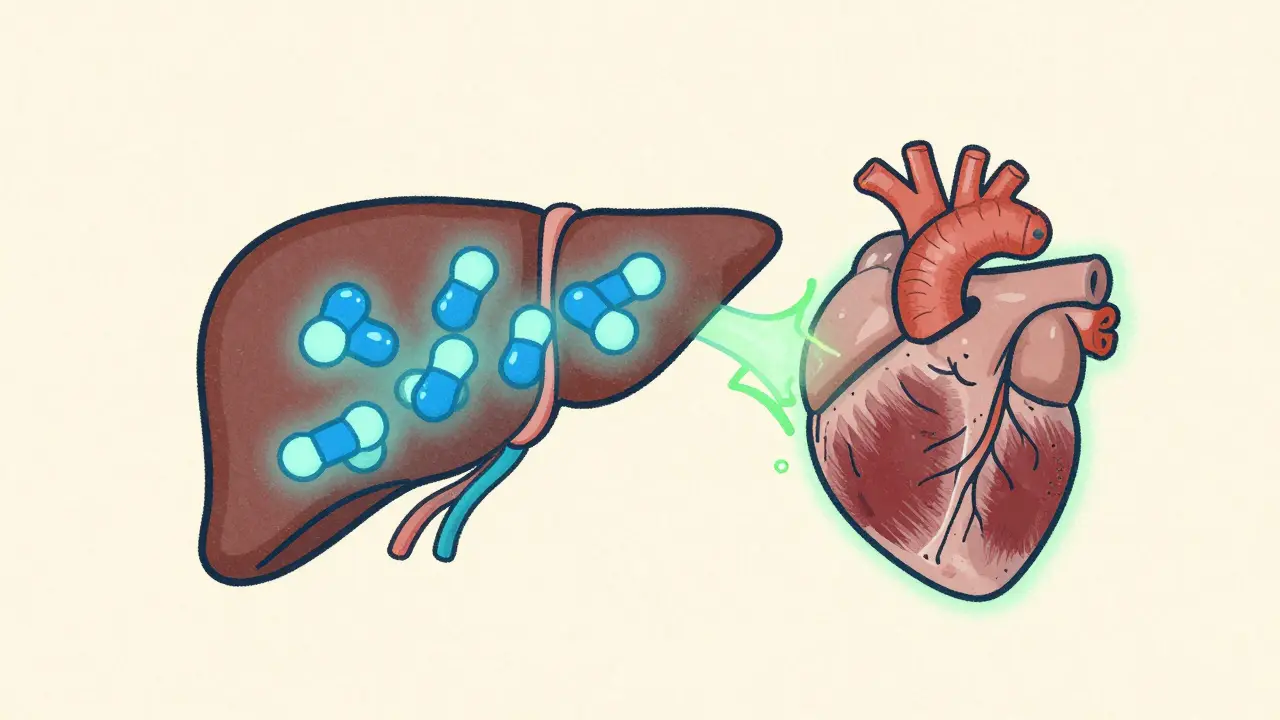
Statins are safe and effective for people with liver disease, offering major cardiovascular benefits and reducing liver complications like bleeding and decompensation. Learn why they're underused-and how to use them wisely.
view morePosted by Patrick Hathaway with 14 comment(s)
Feb
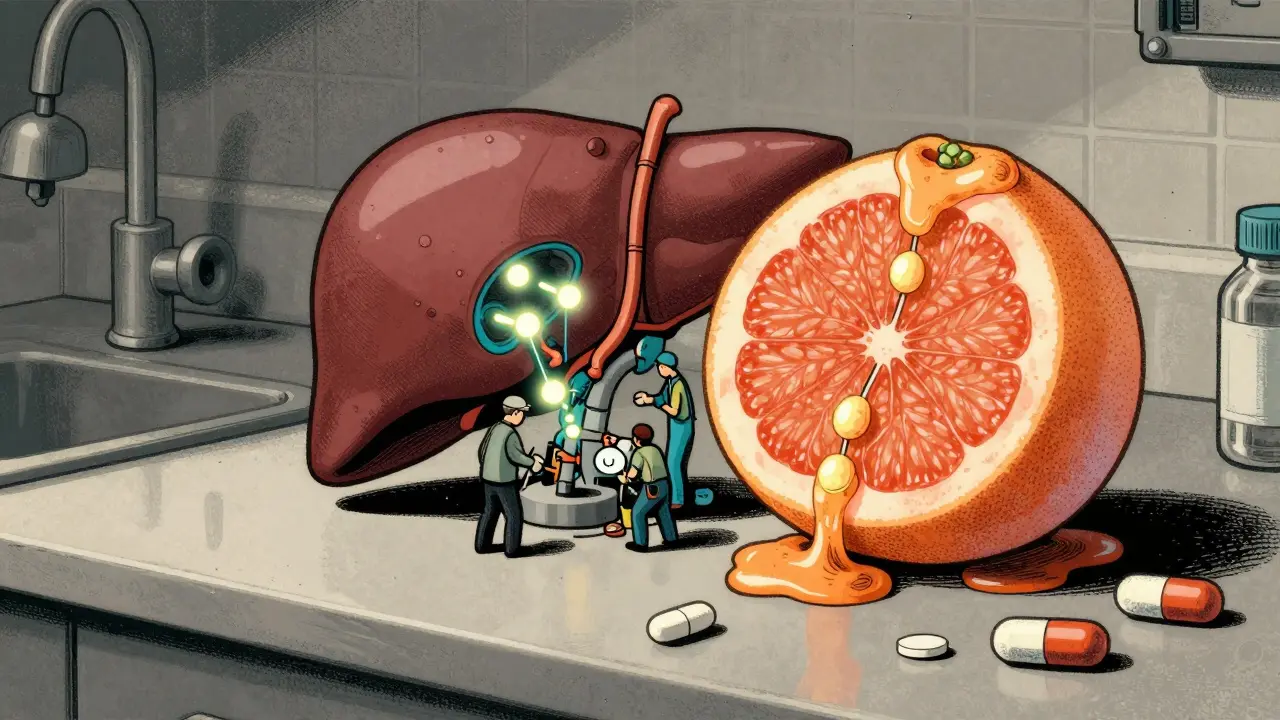
Grapefruit can dangerously interfere with warfarin and SSRIs by blocking key liver enzymes. This article explains which medications are at risk, why timing doesn't help, and what you should do right now to stay safe.
view morePosted by Patrick Hathaway with 12 comment(s)
Feb
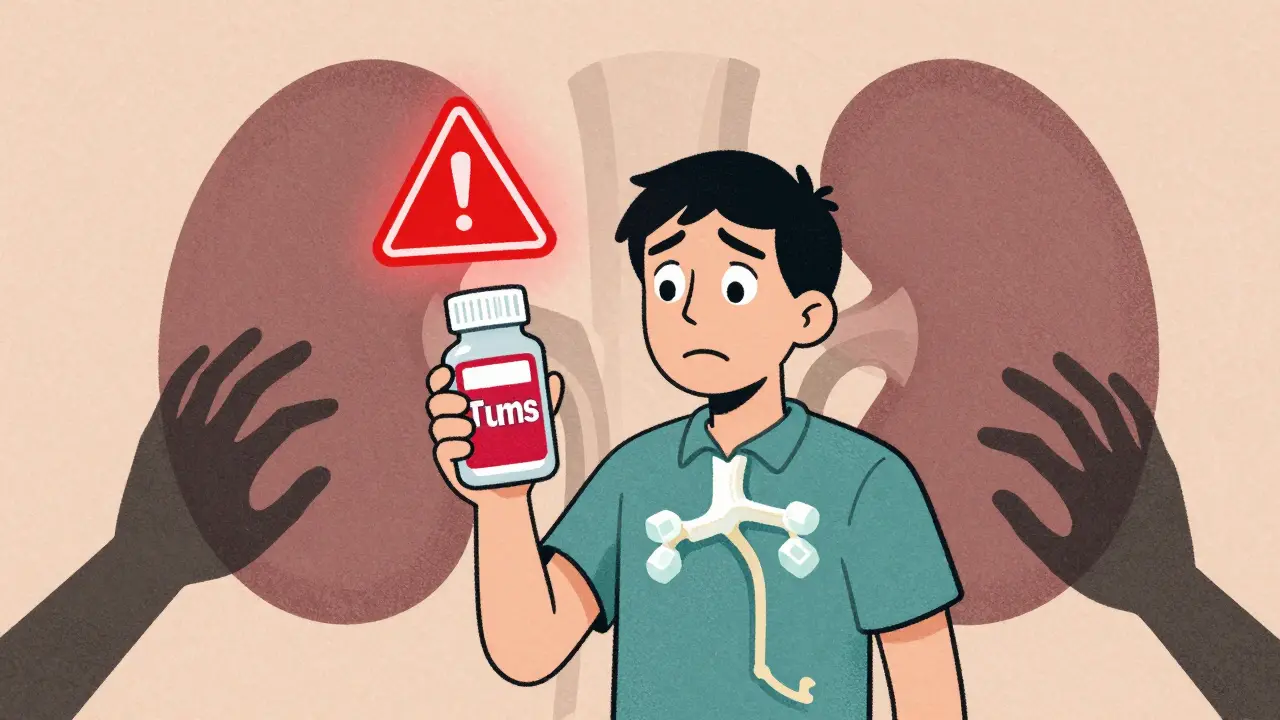
Antacids like Tums and Milk of Magnesia can be dangerous for people with kidney disease. Learn how calcium, magnesium, and aluminum in these OTC meds affect phosphate levels, cause toxicity, and what safer alternatives exist.
view morePosted by Patrick Hathaway with 8 comment(s)
Feb
Renal dosing of antibiotics is critical to prevent toxicity and ensure treatment success in kidney disease. Learn how CrCl calculations, guideline differences, and acute vs. chronic kidney injury affect dosing decisions.
view more