
When you hear bioequivalence, the scientific standard that proves two versions of a drug deliver the same amount of active ingredient at the same rate in your body. Also known as therapeutic equivalence, it’s the reason your pharmacist can swap a brand-name pill for a cheaper generic without you noticing a difference. But bioequivalence isn’t just a lab term—it’s the invisible guarantee that your medication works the same way, whether it costs $5 or $50.
It’s not enough for a generic drug to have the same active ingredient. It has to be absorbed into your bloodstream at the same speed and to the same level as the original. If it’s too slow, you won’t get relief. If it’s too fast, you could get side effects. That’s why the FDA requires strict testing before approving any generic. Studies measure blood levels over time, comparing the generic to the brand. If the results fall within 80% to 125% of the original, it’s approved. That’s the bioequivalence window—and it’s not a guess. It’s science backed by real patient data.
This matters most for drugs with narrow therapeutic windows—where tiny changes in dose can cause big problems. Think blood thinners like warfarin, seizure meds like phenytoin, or thyroid hormones like levothyroxine. Switching generics here isn’t just about cost—it’s about safety. Some patients report feeling different after a switch, even when bioequivalence is technically met. That’s because absorption can vary slightly based on food, stomach pH, or even the filler ingredients in the pill. It’s why your doctor might stick with one brand if you’ve been stable on it.
And bioequivalence doesn’t just apply to pills. It’s used for patches, inhalers, and even some injectables. When you see a generic version of a complex drug like insulin or asthma inhalers, bioequivalence testing ensures it behaves the same way in your body. That’s why travel apps and pharmacy guides often mention medication equivalence, the concept that drugs from different countries or manufacturers must meet the same absorption standards to be considered safe substitutes—especially when you’re abroad and need to refill a prescription.
But here’s the catch: bioequivalence doesn’t guarantee identical side effects. Different fillers or coatings can still cause allergies or stomach upset. And if you’re on multiple meds, interactions can change when you switch. That’s why your medication list matters. A change in one drug can ripple through your whole regimen.
The posts below dig into real cases where bioequivalence plays a role—like how red yeast rice acts like statins, why some people react differently to generics, and how drug shortages force switches that test the limits of equivalence. You’ll find practical advice on when to speak up, how to track your response, and what to ask your pharmacist when a new pill looks different. No fluff. Just what you need to know to make sure your meds work as they should—every time.
Posted by Patrick Hathaway with 1 comment(s)
Apr

Explore why generic medications are a safe, affordable alternative to brand-name drugs. Learn about bioequivalence, potential exceptions, and key questions to ask your pharmacist.
view morePosted by Ian Skaife with 15 comment(s)
Feb
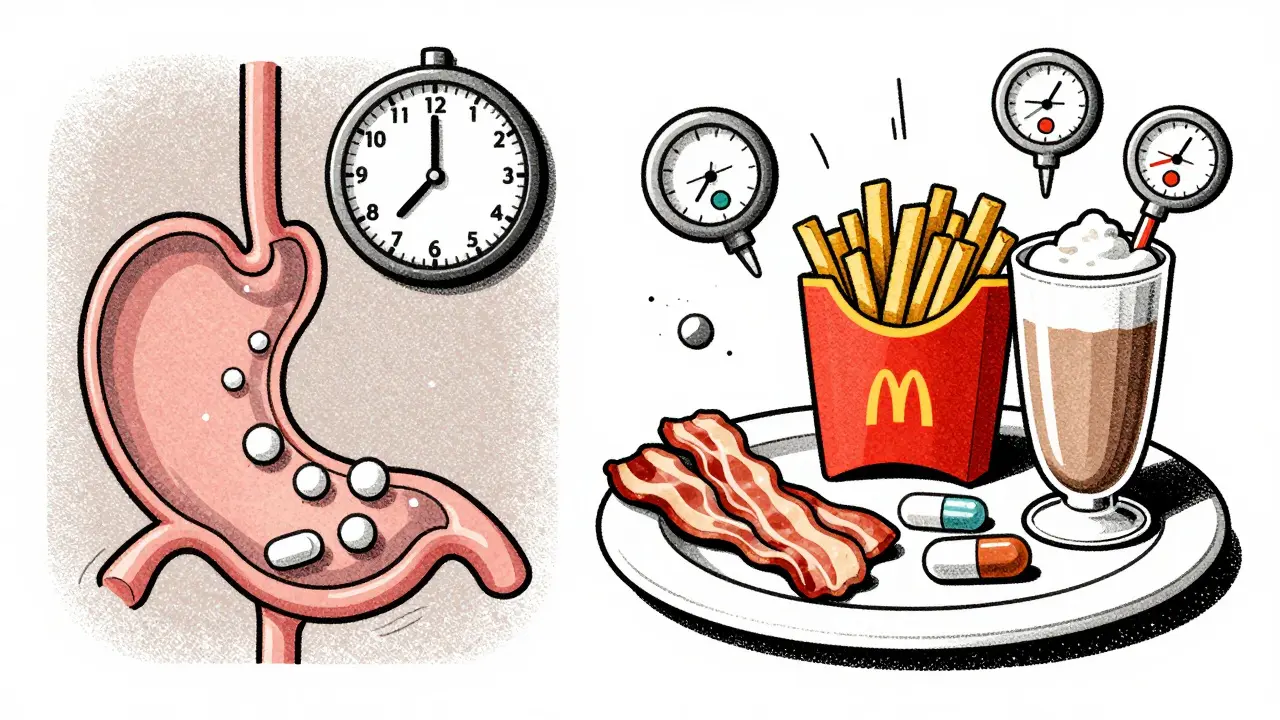
Fasted and fed state testing reveal how food affects drug absorption and exercise performance. Both conditions are essential for accurate dosing, safety, and training effectiveness. Ignoring one can lead to underdosing, reduced performance, or misleading results.
view morePosted by Patrick Hathaway with 13 comment(s)
Dec
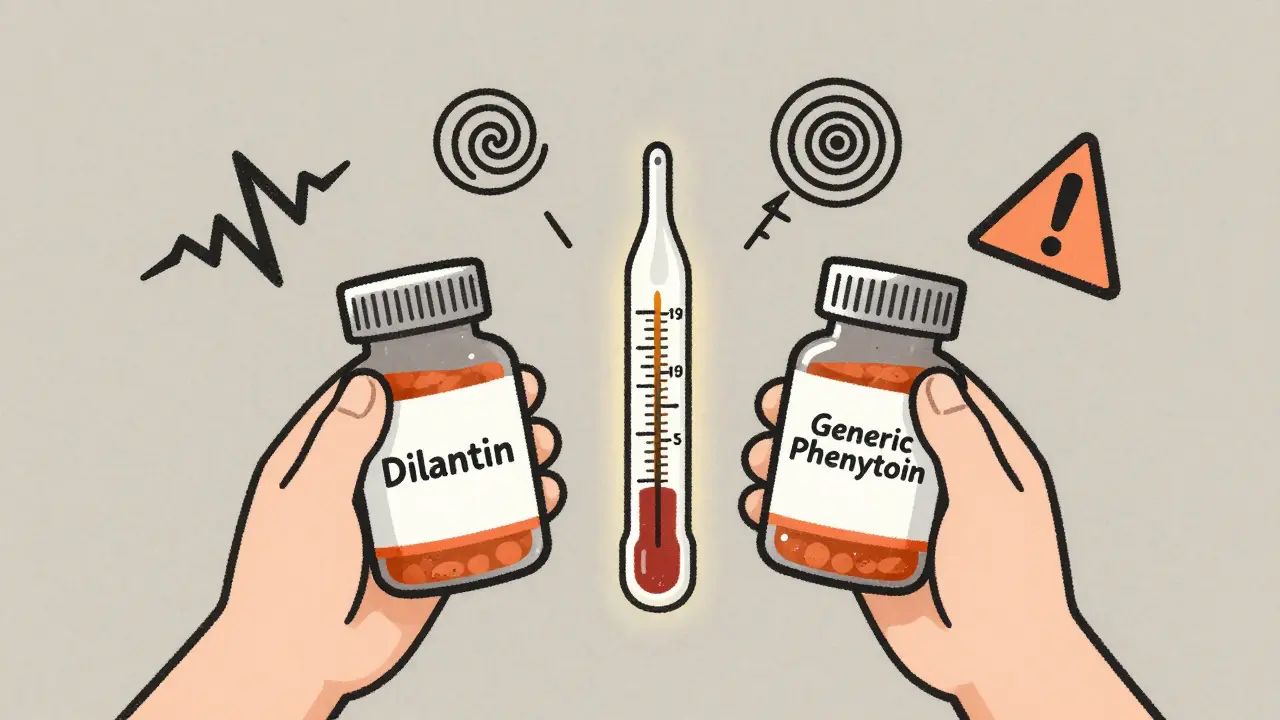
Switching generic phenytoin products can be dangerous due to its narrow therapeutic range and non-linear metabolism. Learn when and why therapeutic drug monitoring is critical to avoid seizures or toxicity.
view morePosted by Patrick Hathaway with 15 comment(s)
Dec
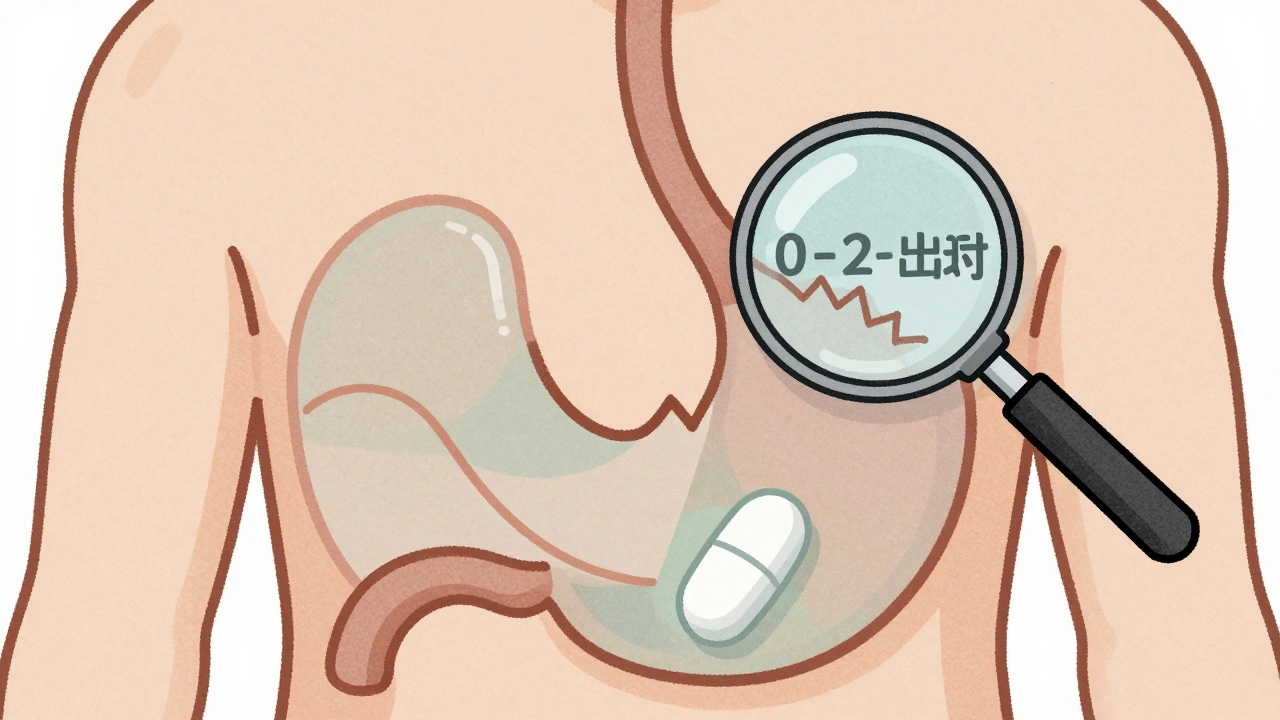
Partial AUC is a precise pharmacokinetic tool used by the FDA and EMA to ensure generic drugs match brand-name versions in how quickly they release medicine - especially for extended-release and abuse-deterrent formulations.
view morePosted by Ian Skaife with 9 comment(s)
Dec
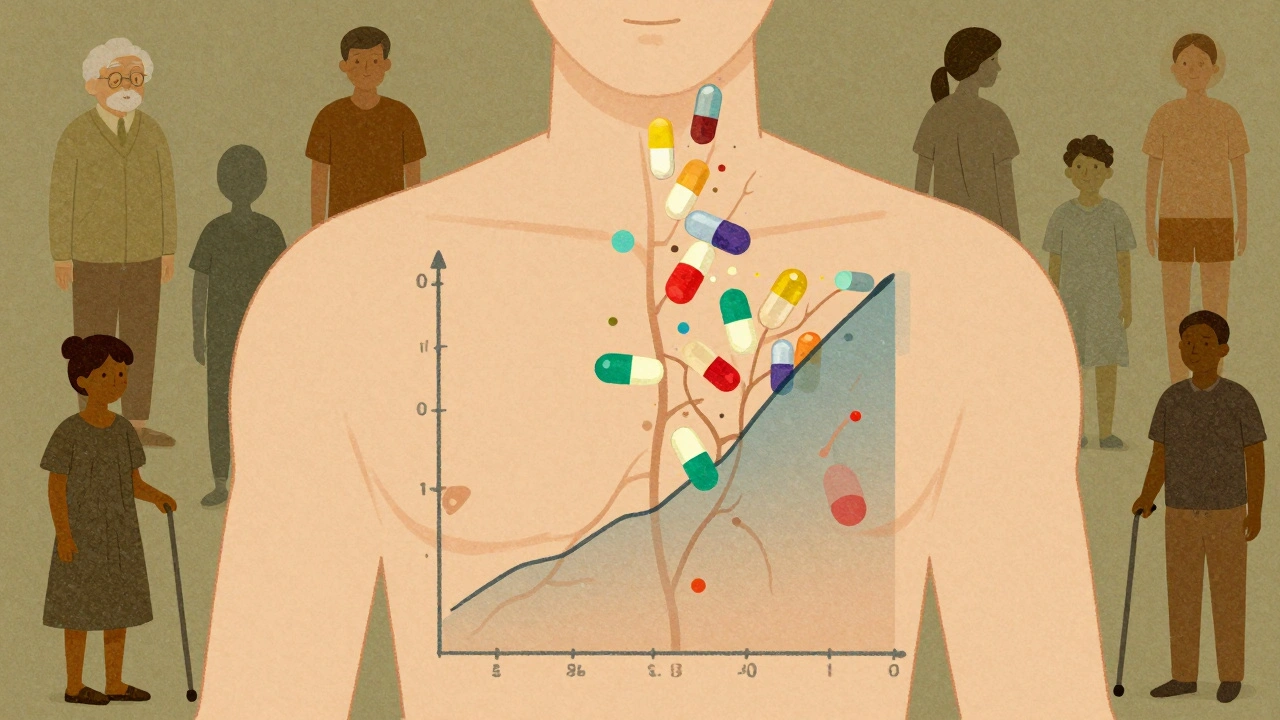
Population pharmacokinetics uses real-world data to prove drug equivalence across diverse patient groups, offering a smarter alternative to traditional bioequivalence studies - especially for complex drugs and vulnerable populations.
view morePosted by Ian Skaife with 10 comment(s)
Dec
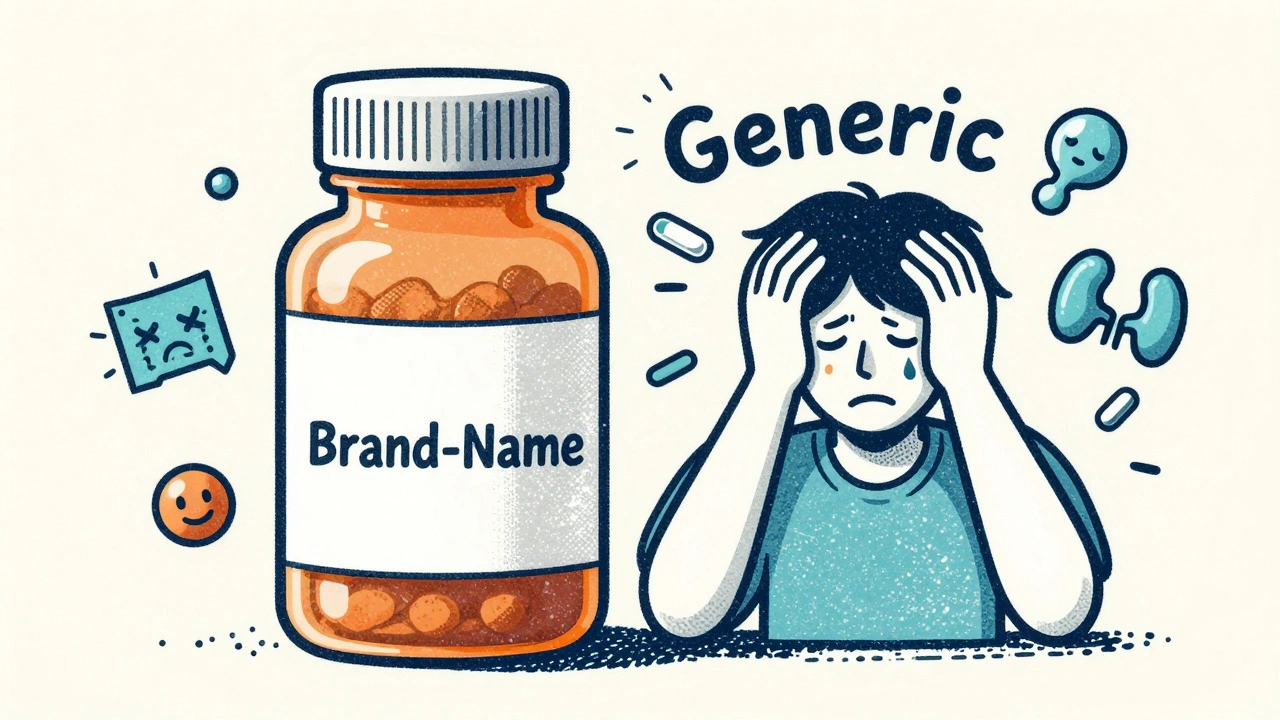
Generic medications save billions, but for some people, switching to generics causes serious side effects. Why do reactions vary? And what can you do if you feel worse after a switch?
view more