
When a drug has a narrow therapeutic index, the difference between a helpful dose and a dangerous one is very small. Also known as a narrow therapeutic range, this means your body can’t tolerate much variation in how much you take — even a little too much can cause serious harm, and a little too little might not work at all. This isn’t just a technical detail. It’s a life-or-death factor for people taking drugs like warfarin, lithium, digoxin, or phenytoin. These aren’t random pills. They’re high-stakes medications that require precision — and awareness.
Drugs with a narrow therapeutic index are often used to treat serious conditions: seizures, heart failure, blood clots, or mood disorders. But because their safety margin is so tight, small changes in how your body absorbs, breaks down, or clears the drug can turn a safe dose into a toxic one. That’s why factors like liver or kidney function, age, other medications you’re taking, or even what you eat can change how a drug affects you. For example, taking an NSAID like ibuprofen with warfarin can spike your bleeding risk. Or switching generic brands of phenytoin without monitoring blood levels can trigger seizures. This isn’t theoretical — it’s why medication guides exist, why doctors order regular blood tests, and why some prescriptions come with strict dosing rules.
People on these drugs often don’t realize how delicate the balance is. They might think, "It’s just a pill," or assume all generics are interchangeable. But with a narrow therapeutic index, that’s not true. The same drug from two different manufacturers might have slightly different absorption rates — enough to push you out of the safe zone. That’s why tracking your symptoms, knowing your blood levels, and sticking to the same brand or generic version (unless your doctor approves a switch) matters. It’s also why tools like the FDA’s Drug Shortage Database can be critical — if your medication suddenly disappears, finding a replacement isn’t just inconvenient, it could be dangerous.
These drugs also show up in surprising places. Red yeast rice contains monacolin K — the same compound as the statin lovastatin — so combining it with a prescribed statin can push you over the edge into muscle damage. Even something as simple as a change in diet or starting a new supplement can interfere. That’s why knowing your full medication list and sharing it with every provider you see isn’t just good advice — it’s a safety must. If you’re on one of these drugs, your doctor should be checking your levels regularly. If they’re not, ask why.
What you’ll find in the posts below are real stories and clear explanations about how these high-risk drugs behave, what to watch for, and how to protect yourself. From how liver changes with age affect drug clearance, to why combining blood thinners with NSAIDs can cause life-threatening bleeding, to how to use medication guides to spot hidden dangers — every article ties back to the same core truth: when the therapeutic index is narrow, small mistakes have big consequences. You don’t need to be a pharmacist to stay safe. You just need to know what to ask, what to track, and when to speak up.
Posted by Patrick Hathaway with 13 comment(s)
Dec
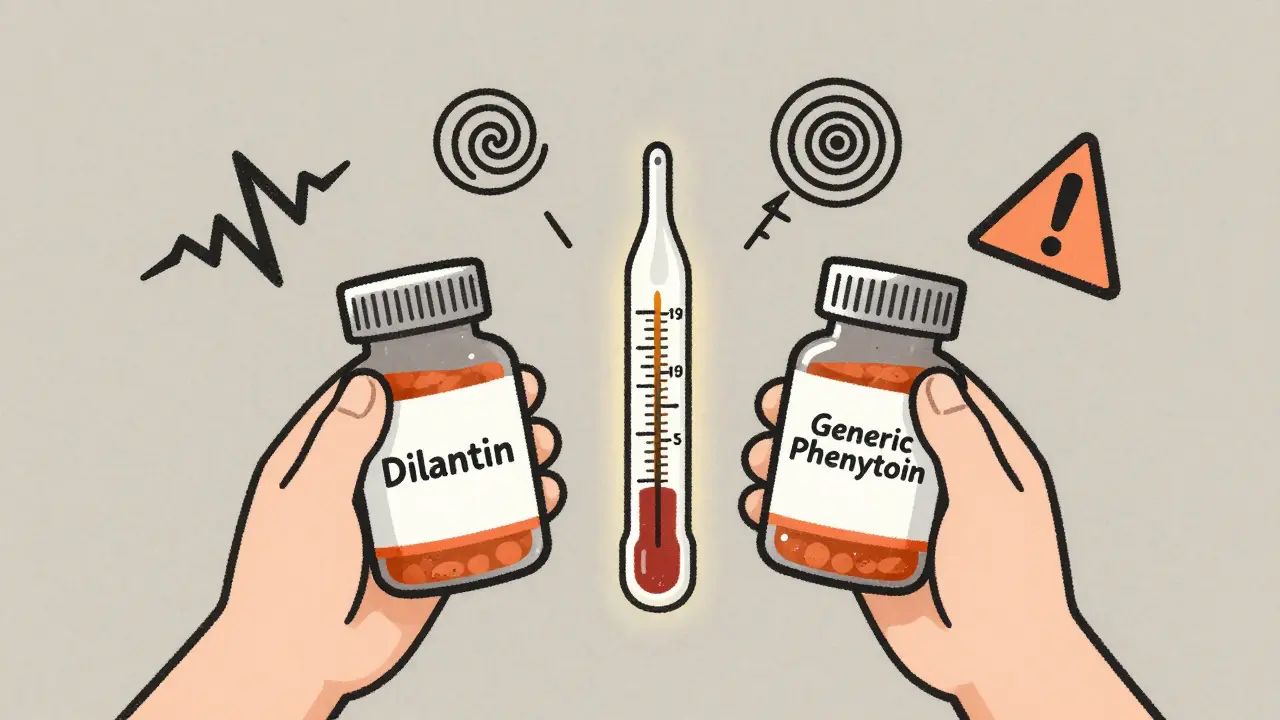
Switching generic phenytoin products can be dangerous due to its narrow therapeutic range and non-linear metabolism. Learn when and why therapeutic drug monitoring is critical to avoid seizures or toxicity.
view morePosted by Ian Skaife with 10 comment(s)
Dec
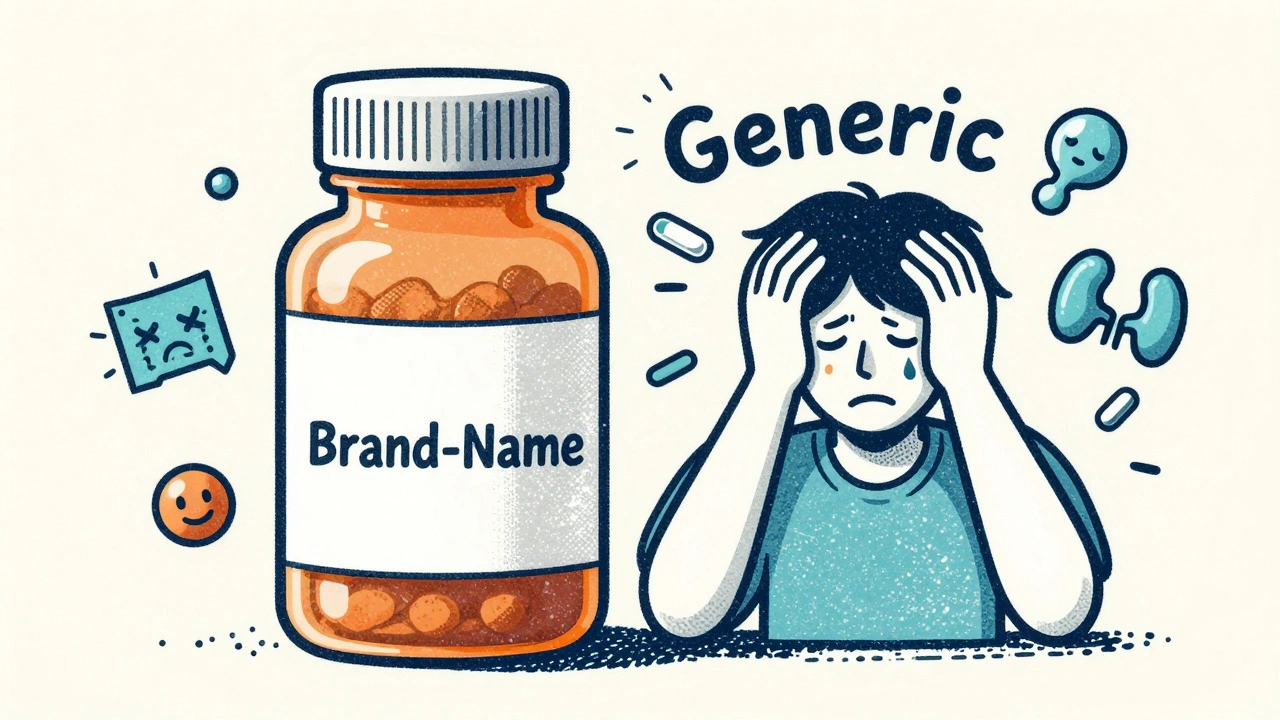
Generic medications save billions, but for some people, switching to generics causes serious side effects. Why do reactions vary? And what can you do if you feel worse after a switch?
view more