
When your thyroid doesn’t make enough hormone, your body slows down—fatigue sets in, weight creeps up, and even simple tasks feel exhausting. That’s where levothyroxine, a synthetic version of the thyroid hormone T4 used to replace what your body can’t produce. Also known as synthroid, it’s the most prescribed medication for hypothyroidism, a condition where the thyroid gland fails to produce enough hormones to keep metabolism running. Millions take it daily, but many don’t realize how sensitive it is to food, other drugs, and even timing.
Levothyroxine isn’t like a painkiller you can take whenever. It needs to be taken on an empty stomach, usually 30 to 60 minutes before breakfast, because calcium, iron, soy, and even coffee can block its absorption. If you’re also taking blood thinners, like warfarin, which thin the blood to prevent clots, your doctor will watch your INR levels closely—levothyroxine can make them more sensitive to bleeding. And if you’re on epilepsy drugs, such as phenytoin or carbamazepine, which speed up how fast your liver breaks down hormones, you might need a higher dose. Even St. John’s Wort, a common herbal supplement for mood, can drop your thyroid hormone levels. These aren’t just side effects—they’re real interactions that can make your treatment fail if you don’t know about them.
Getting the dose right takes time. Too little and you’ll still feel tired. Too much and your heart might race, your bones could weaken, or you could develop anxiety. That’s why blood tests—usually TSH and free T4—are done every 6 to 8 weeks after starting or changing doses. Once you’re stable, you might only need checks once a year. But if you switch brands, start a new supplement, or gain/lose weight, your dose may need adjusting. This isn’t a one-size-fits-all drug. Your body’s needs change, and so should your treatment.
Below, you’ll find real-world advice on managing levothyroxine safely: how to spot when it’s not working, what to do when your prescription runs out, how travel affects your routine, and which supplements to avoid. These aren’t theory pieces—they’re practical guides written for people who take this medication every day and want to get it right.
Posted by Patrick Hathaway with 10 comment(s)
Jan
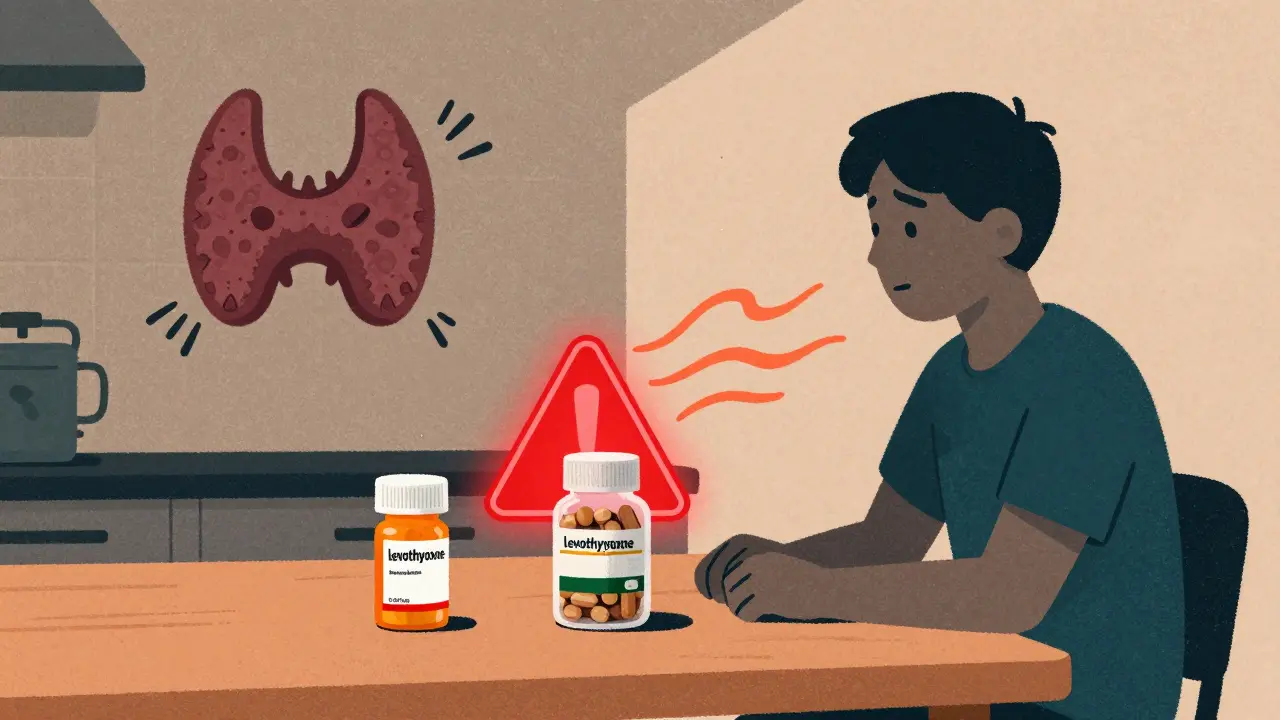
Ashwagandha may seem like a harmless stress remedy, but for people on thyroid medication, it can cause dangerous over-replacement. Learn why experts warn against combining this supplement with levothyroxine and what to do instead.
view morePosted by Ian Skaife with 10 comment(s)
Dec
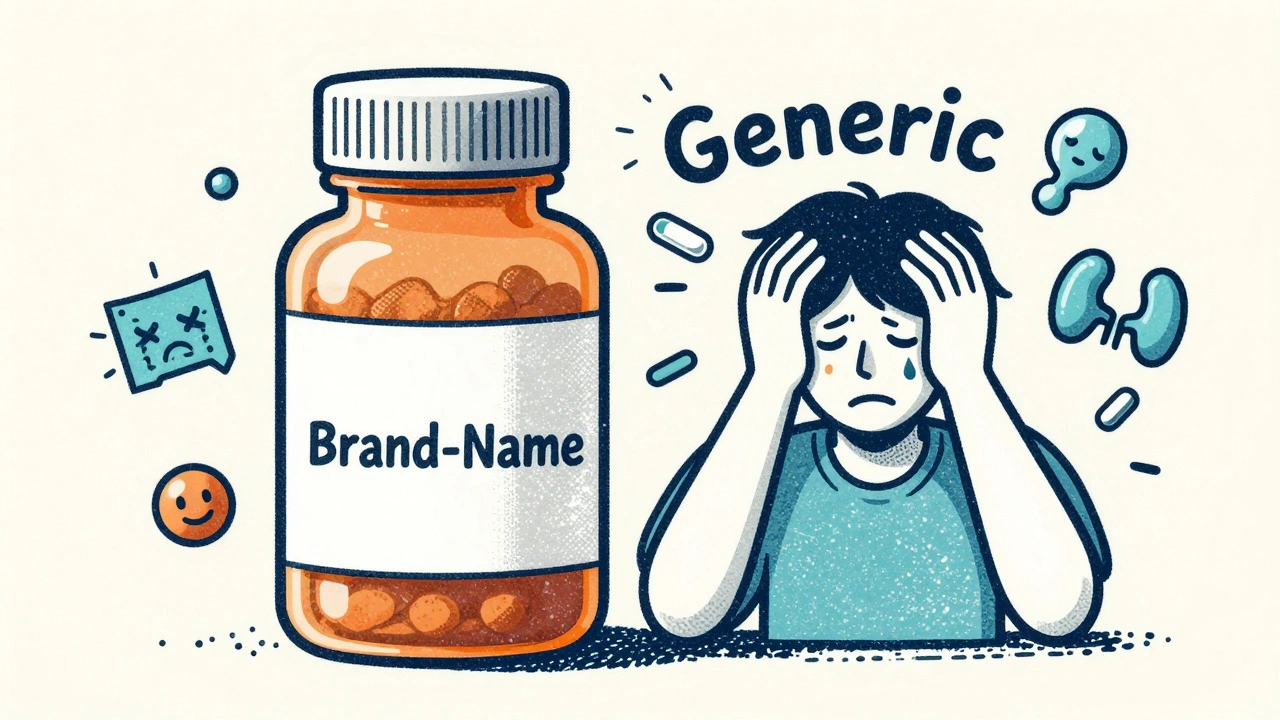
Generic medications save billions, but for some people, switching to generics causes serious side effects. Why do reactions vary? And what can you do if you feel worse after a switch?
view more