
When your body responds badly to a medication, that’s a drug reaction, an unintended and harmful response to a medicine taken at normal doses. Also known as adverse drug reactions, these aren’t just side effects you can ignore—they’re your body’s warning signal that something’s wrong. Every year, millions of people end up in emergency rooms because of drug reactions, and many more suffer quietly at home, thinking their fatigue, rash, or dizziness is just part of aging or stress.
Not all drug reactions are the same. Some are predictable, like nausea from antibiotics or drowsiness from antihistamines. Others are unpredictable and dangerous—like liver damage from acetaminophen, muscle breakdown from statins, or life-threatening bleeding when blood thinners mix with NSAIDs. These aren’t rare. drug interactions, harmful combinations between two or more medications or supplements are one of the top causes of preventable harm in older adults. And medication safety, the practice of using drugs in ways that minimize risk and maximize benefit isn’t just about taking pills correctly—it’s about knowing what to watch for, when to stop, and when to call your doctor.
You might not realize it, but your age, liver function, genetics, or even what you eat can change how your body handles a drug. That’s why a reaction that’s harmless to one person could be deadly to another. Red yeast rice and statins? Dangerous together. Levonorgestrel and epilepsy meds? Could mean birth control failure. Steroids causing muscle weakness? Often missed until it’s too late. These aren’t theoretical risks—they’re real, documented, and happening to people right now.
The posts below cover exactly what you need to know to spot, understand, and avoid dangerous drug reactions. You’ll find clear breakdowns of the most common culprits—like blurred vision from blood pressure pills, emotional numbness from SSRIs, or sudden liver damage from everyday painkillers. We’ll show you how to read medication guides, what to bring to your doctor, and when to stop a drug immediately. No fluff. No jargon. Just the facts you need to protect yourself and your loved ones.
Posted by Ian Skaife with 11 comment(s)
Jan
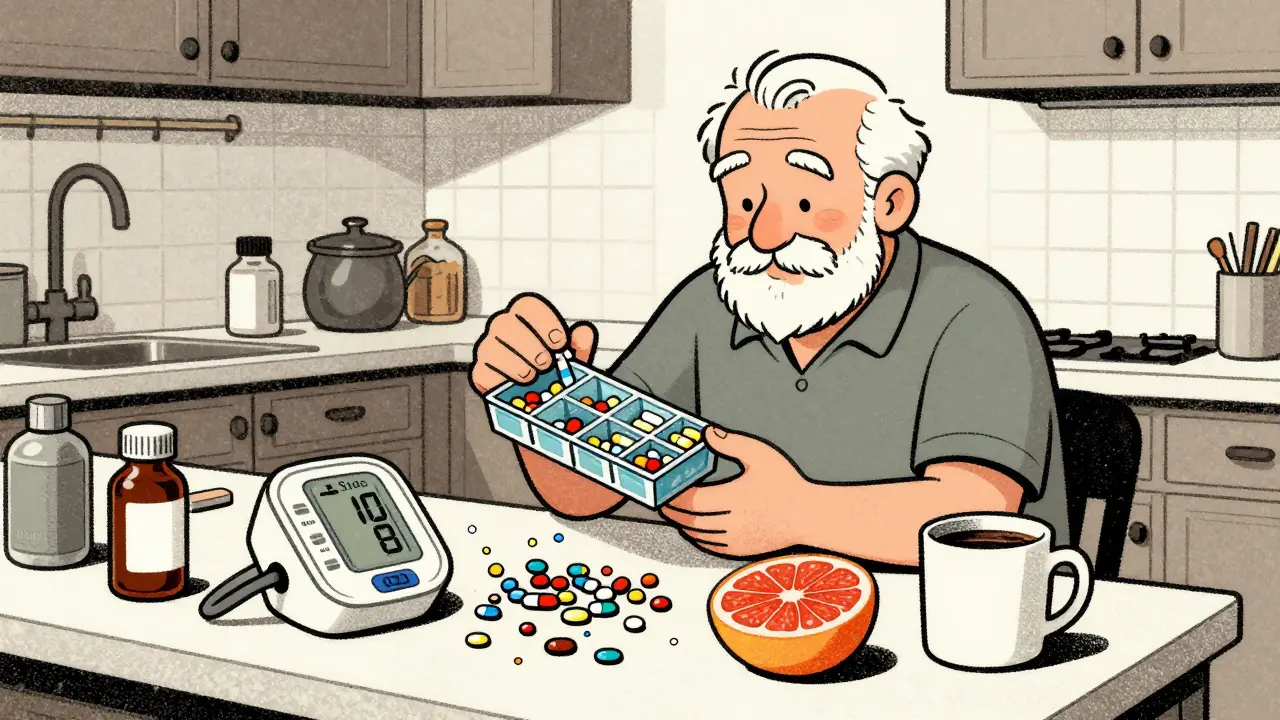
Adverse drug events cause over a million ER visits yearly - most are preventable. Learn what they are, which drugs are most dangerous, and proven ways to protect yourself from medication harm.
view morePosted by Ian Skaife with 10 comment(s)
Dec
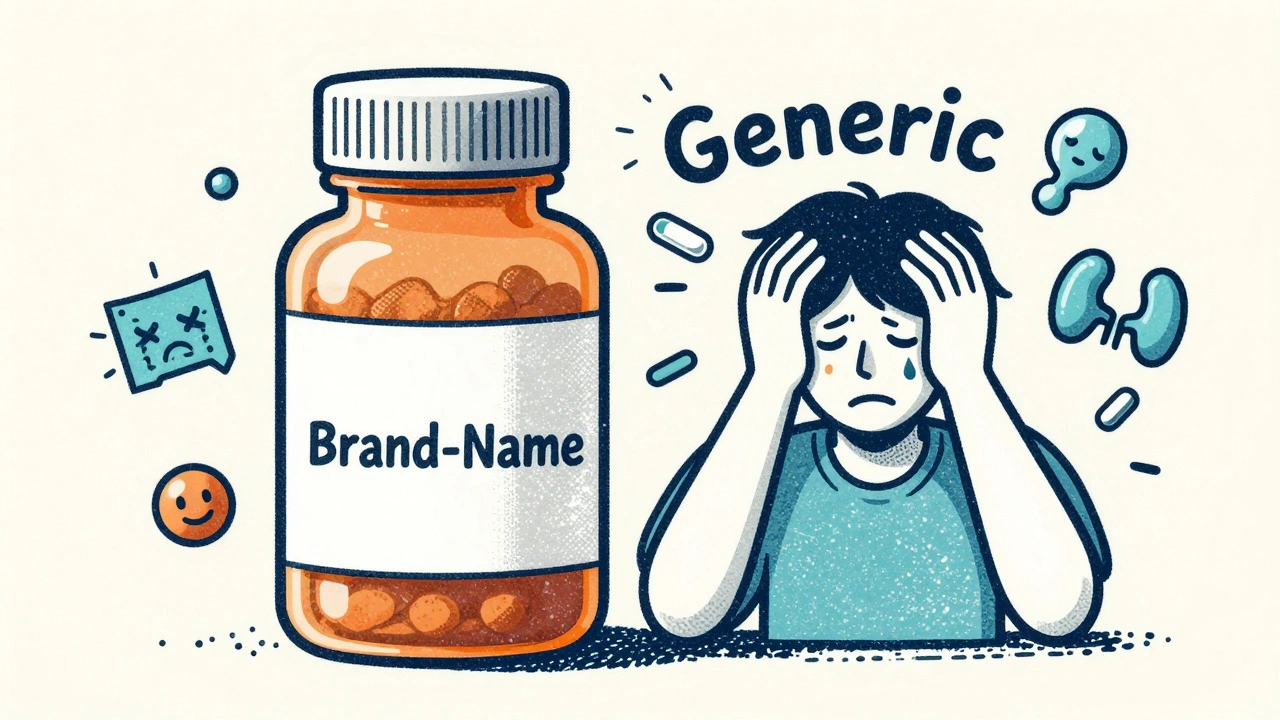
Generic medications save billions, but for some people, switching to generics causes serious side effects. Why do reactions vary? And what can you do if you feel worse after a switch?
view more