
When your doctor says you need to lower your cholesterol, they’re often talking about statins, a class of prescription drugs that block a key enzyme your liver uses to make cholesterol. Also known as HMG-CoA reductase inhibitors, cholesterol-lowering medications are among the most studied and widely prescribed drugs in the world. They don’t just reduce cholesterol—they help stabilize plaque in your arteries, cutting your risk of heart attack and stroke by up to 30% in high-risk patients.
Statins work by targeting your liver, where most cholesterol is made. By slowing down the enzyme HMG-CoA reductase, they force your liver to pull more LDL (bad) cholesterol out of your bloodstream. This isn’t just theory—it’s backed by decades of clinical trials showing people on statins live longer, especially if they’ve already had a heart problem. But statins aren’t magic pills. They’re most effective when paired with lifestyle changes, and they don’t work the same for everyone. Some people see their LDL drop by 50%, others barely move the needle. Genetics, diet, and even gut bacteria can play a role.
One of the biggest concerns people have is side effects. Muscle pain is the most common complaint—about 10% of users report it, though many cases aren’t actually caused by the drug. Liver enzyme changes happen sometimes, but serious liver damage is rare. The real risk? Ignoring symptoms. If you feel unexplained fatigue, dark urine, or persistent muscle weakness, don’t just tough it out. These could be signs of something more serious, like statin-induced myopathy, a condition where muscle tissue breaks down due to long-term statin use. And if you’re taking other meds—like blood thinners or certain antibiotics—you need to know about dangerous interactions. drug interactions, when statins mix badly with other prescriptions or supplements can spike your risk of muscle damage or bleeding.
Not everyone needs statins. If you’re young, healthy, and just have slightly high cholesterol, lifestyle changes might be enough. But if you’ve had a heart attack, have diabetes, or carry genetic risk factors, statins can be life-saving. The key is knowing your numbers—not just total cholesterol, but LDL, HDL, and triglycerides—and understanding your personal risk profile. And if you’ve been told to take one but feel worse on it, you’re not alone. Many people quit because of side effects, only to find out later there are other statins, lower doses, or even non-statin options like ezetimibe or PCSK9 inhibitors that might work better for them.
Below, you’ll find real patient stories, science-backed advice on managing side effects, and clear explanations of how statins fit into the bigger picture of heart health. Whether you’re just starting out, struggling with muscle pain, or wondering if you even need them, these posts give you the facts without the fluff.
Posted by Ian Skaife with 14 comment(s)
Dec
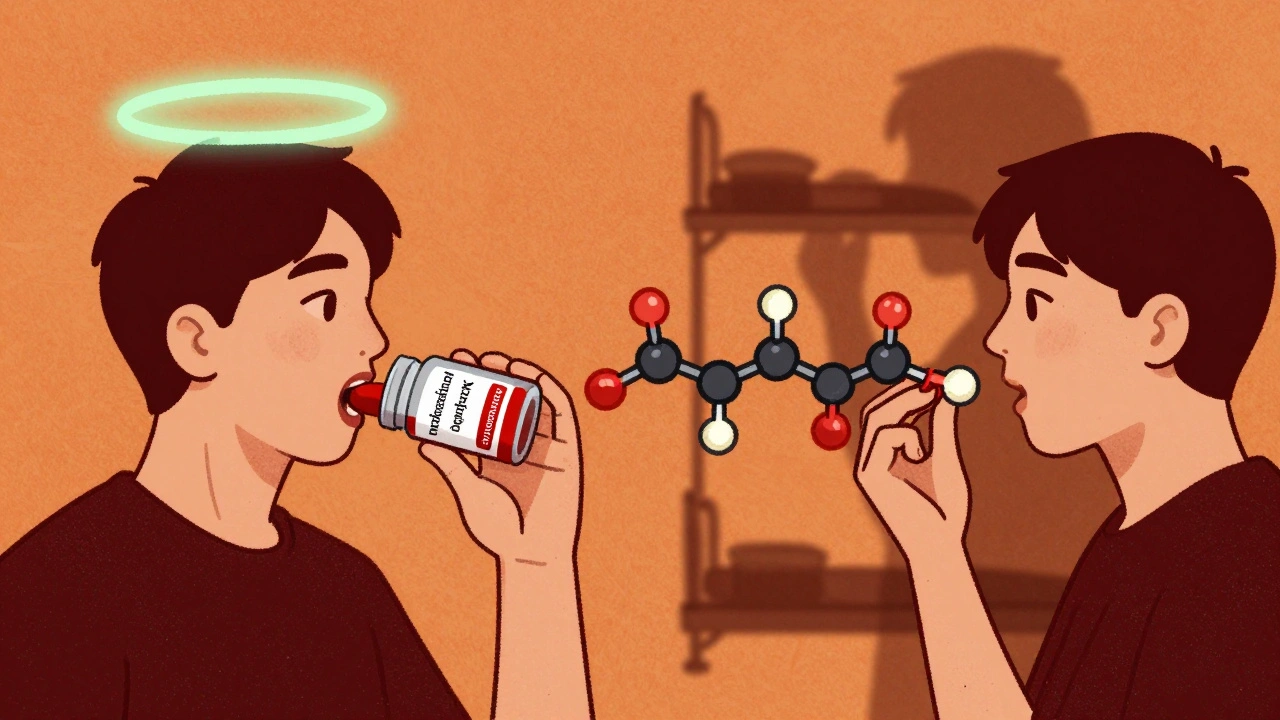
Red yeast rice contains the same active ingredient as statins, making it dangerous to take both together. Learn why combining them raises your risk of muscle damage and how to safely use red yeast rice-or avoid it altogether.
view more