
Statin-RYR Interaction Risk Calculator
Risk Assessment
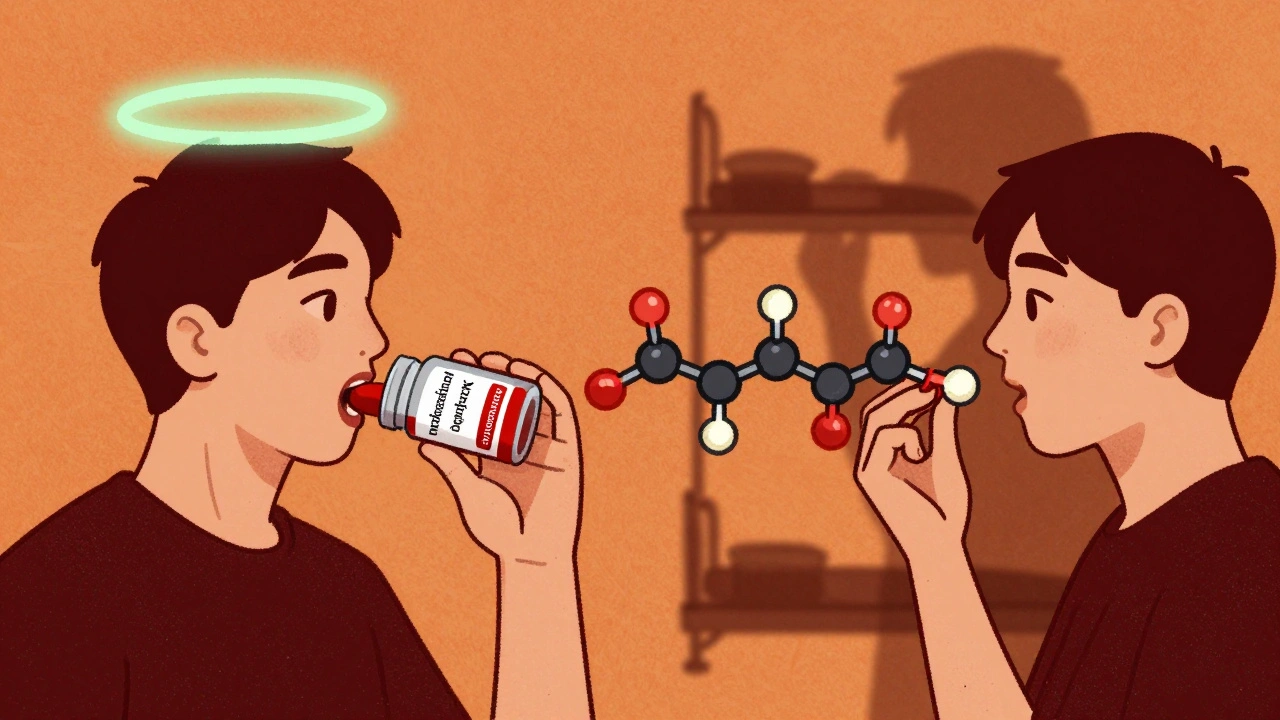
Red yeast rice contains monacolin K, which is identical to the prescription drug lovastatin. Combining it with statins creates a significant risk of muscle damage and kidney failure.
Many people turn to red yeast rice as a "natural" way to lower cholesterol-especially if they’ve had bad reactions to statins. But here’s the truth most supplement labels won’t tell you: red yeast rice isn’t just a herbal remedy. It contains monacolin K, the exact same compound found in the prescription statin lovastatin. Taking it alongside a statin isn’t doubling your dose-it’s like taking two pills of the same drug at once. And that’s not just risky. It can land you in the hospital.
What Is Red Yeast Rice, Really?
Red yeast rice is rice fermented with a mold called Monascus purpureus. It’s been used in Chinese medicine for over a thousand years, mostly for digestion and circulation. But modern science uncovered something unexpected in the 1970s: the active ingredient, monacolin K, is chemically identical to lovastatin, the first statin drug ever made. That means it works the same way-by blocking HMG-CoA reductase, the enzyme your liver uses to make cholesterol. The problem? Unlike prescription statins, red yeast rice supplements aren’t regulated like drugs. That means the amount of monacolin K in each capsule can vary wildly-from almost nothing to more than 30 mg per gram. A typical daily dose might claim to deliver 3-5 mg of monacolin K, which is roughly equal to a low dose of lovastatin (10-20 mg). But without standardized testing, you have no way of knowing if you’re getting 1 mg or 10 mg.Why Statins Are Different
Prescription statins-like atorvastatin, rosuvastatin, or simvastatin-are manufactured under strict FDA guidelines. Each pill contains a precise, consistent dose. Your doctor chooses the right strength based on your cholesterol levels, liver function, and risk of heart disease. They also monitor you with blood tests every few months to check for side effects. Red yeast rice doesn’t work like that. There’s no standardization. One brand might have high monacolin K and low citrinin (a toxic mold byproduct). Another might have barely any active ingredient at all. A 2022 ConsumerLab.com analysis found only 30% of tested products matched their label claims. And 25-30% of products tested positive for citrinin, a kidney-damaging toxin.The Danger: Duplicate Therapy
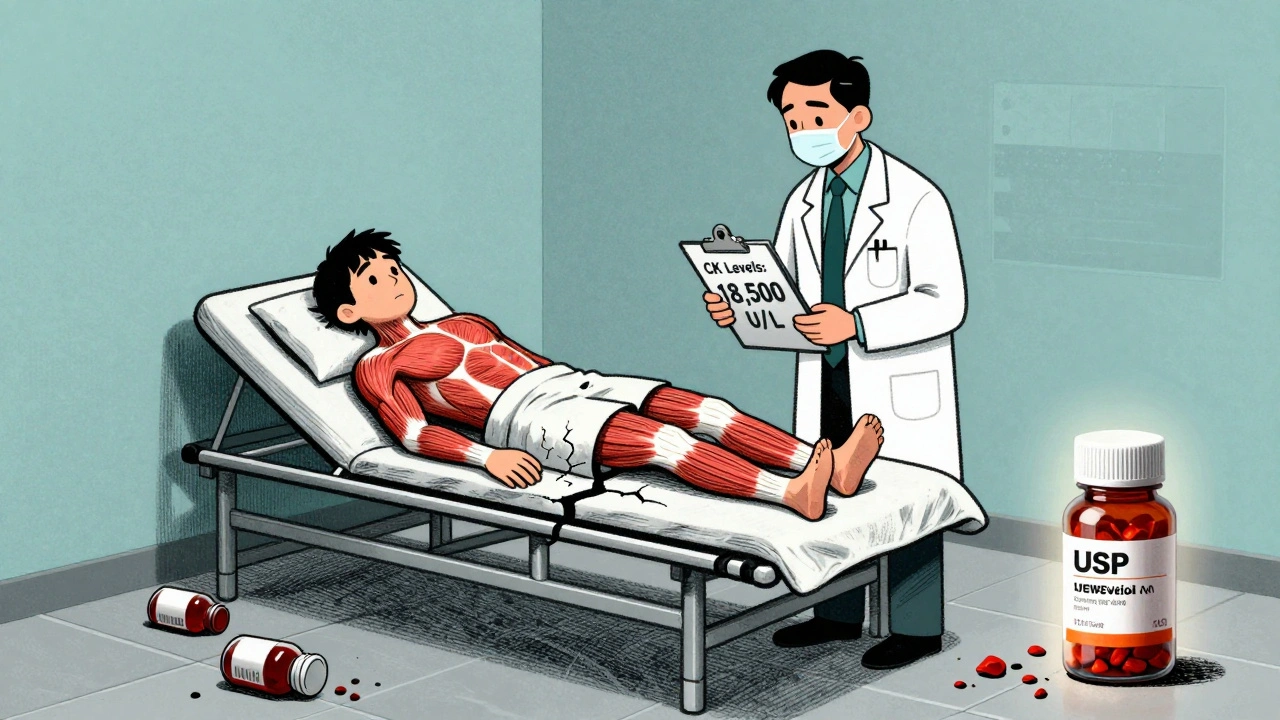
If you’re already taking a statin-say, 20 mg of atorvastatin-and you add red yeast rice, you’re essentially stacking two HMG-CoA reductase inhibitors. This isn’t a mild interaction. It’s a major one. The result? A sharp rise in the risk of myopathy (muscle pain and weakness) and, in severe cases, rhabdomyolysis-where muscle tissue breaks down and floods your bloodstream with proteins that can shut down your kidneys. The Mayo Clinic reports a 3.7-fold increase in myopathy risk when RYR and statins are combined. The FDA’s adverse event database shows 127 documented cases of severe muscle damage between 2018 and 2022 from this exact combination. Real stories back this up. On Reddit, one user reported CK levels (a marker of muscle damage) hitting 18,500 U/L after taking red yeast rice with atorvastatin. Normal is under 200. He spent days in the hospital. Amazon reviews from people who combined the two mention phrases like, “My doctor said I was lucky to avoid kidney failure.”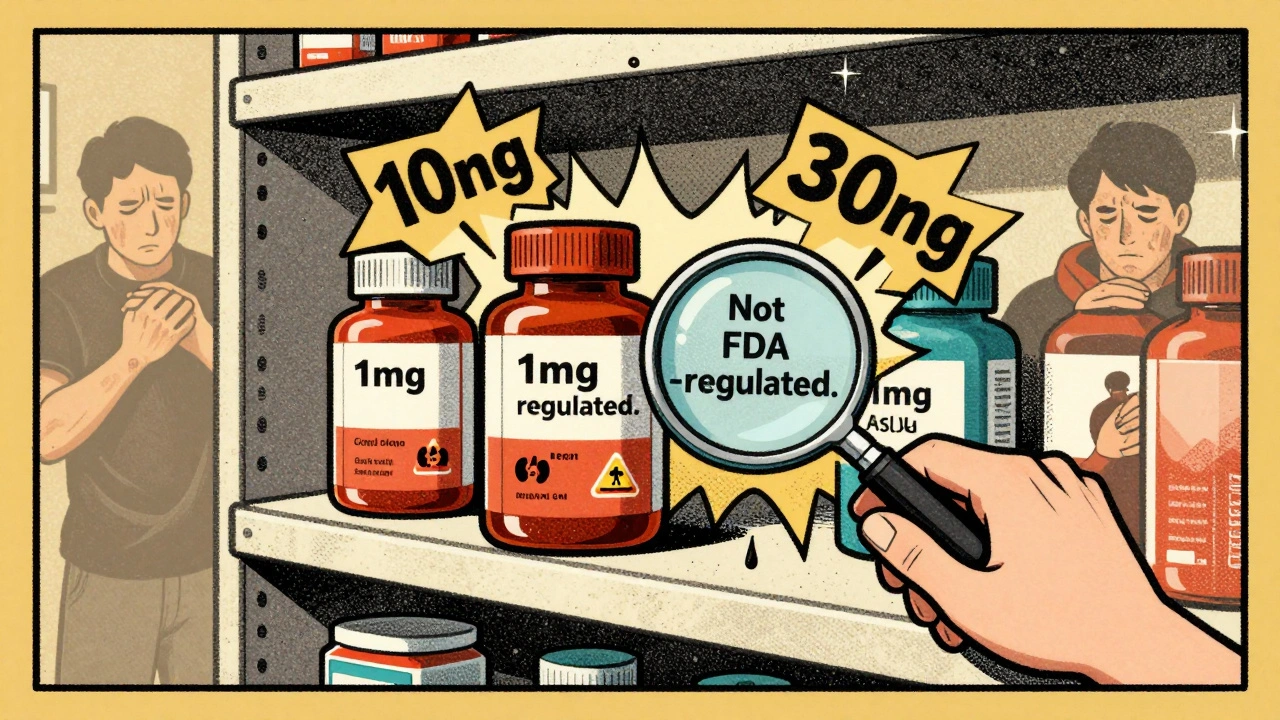
Who Might Benefit from Red Yeast Rice Alone?
There’s a real place for red yeast rice-but only as a standalone option for people who truly can’t tolerate statins. A 2017 study found that 60% of statin-intolerant patients were able to take 1,800 mg of RYR daily (delivering about 3 mg monacolin K) without serious side effects. Their LDL cholesterol dropped by 25-30%, similar to low-dose statins. The key word here is alone. If you’re switching from a statin to red yeast rice, that’s a different conversation than adding it on top. But even then, you need medical oversight. Your doctor should check your liver enzymes and CK levels before you start-and again at three months.What About Safety and Quality?
Not all red yeast rice products are created equal. The only way to reduce risk is to choose USP-verified supplements. USP (United States Pharmacopeia) tests for potency, contaminants, and consistency. Only about 15% of the market carries this label, up from 5% in 2020 after the FDA issued new warnings about citrinin contamination. Avoid products that don’t list monacolin K content. Don’t trust labels that say “natural cholesterol support” without numbers. And never take it with grapefruit juice, certain antibiotics, or antifungals-all of which interfere with how your body breaks down statins and monacolins.What Are the Alternatives?
If you can’t take statins, you don’t have to give up on lowering your cholesterol. There are other proven options:- Ezetimibe: A pill that blocks cholesterol absorption in the gut. It’s well-tolerated and often used with statins, but works fine alone.
- PCSK9 inhibitors: Injectable drugs that dramatically lower LDL. They’re expensive-$300+ a month-but very effective and safe for statin-intolerant patients.
- Extended-release niacin: Can raise HDL and lower triglycerides, though it can cause flushing and liver issues.
- Lifestyle changes: Diet, exercise, and weight loss still matter more than any supplement. A Mediterranean-style diet alone can cut LDL by 20%.
What Should You Do?
If you’re on a statin: Do not take red yeast rice. The risk isn’t worth it. Even if you think you’re being careful, the dose isn’t predictable, and the interaction is well-documented. If you’re considering switching from a statin to red yeast rice: Talk to your doctor first. Get baseline blood work. Use only USP-verified products. Start with the lowest dose possible (600 mg daily). Monitor for muscle pain, dark urine, or unusual fatigue-signs of muscle breakdown. If you’re already taking both: Stop the supplement immediately and call your doctor. Don’t wait for symptoms. Your liver and kidneys could already be under stress.Why This Keeps Happening
The supplement industry thrives on the idea that “natural” equals “safe.” But red yeast rice isn’t a vitamin. It’s a potent drug disguised as a supplement. The Dietary Supplement Health and Education Act of 1994 lets companies sell it without proving safety or effectiveness-until the FDA proves it’s harmful. That’s a huge loophole. Doctors are catching on. A 2022 survey found only 38% of primary care physicians could correctly match red yeast rice doses to equivalent statin doses. Meanwhile, patients often don’t mention supplements during appointments. One Mayo Clinic study showed 45% of people taking RYR never told their doctor.The Bottom Line
Red yeast rice can help lower cholesterol-but only if used correctly and alone. When mixed with statins, it’s not a natural alternative. It’s a dangerous overdose. The science is clear. The risks are real. And the consequences can be life-threatening. If you care about your heart, don’t gamble with your muscles. Stick to what’s proven, regulated, and monitored. Your body will thank you.Can I take red yeast rice if I’m on a low-dose statin?
No. Even a low-dose statin combined with red yeast rice creates a significant risk of muscle damage. The active ingredient in red yeast rice (monacolin K) is identical to lovastatin, a statin drug. Taking both means you’re doubling your dose of the same mechanism, which can lead to rhabdomyolysis-a serious condition that can cause kidney failure. The American Heart Association and Mayo Clinic both warn against this combination.
Is red yeast rice safer than statins?
Not necessarily. While some people tolerate red yeast rice better than statins, it’s not inherently safer. It contains the same active compound as a prescription drug but without standardized dosing or quality control. Some products contain toxic contaminants like citrinin, and potency varies by brand. Prescription statins are tested for safety, purity, and effectiveness. Red yeast rice is not.
How do I know if my red yeast rice supplement is safe?
Look for the USP Verified mark on the label. This means the product has been independently tested for accurate ingredient levels, absence of harmful contaminants like citrinin, and proper manufacturing practices. Only about 15% of red yeast rice products on the market have this certification. Avoid any product that doesn’t list the amount of monacolin K per serving.
How long does it take for red yeast rice to lower cholesterol?
It typically takes 8 to 12 weeks to see noticeable changes in LDL cholesterol. Studies show the maximum effect occurs around 12 weeks. If you’re using it as a statin alternative, your doctor should check your lipid panel after three months and monitor liver enzymes regularly.
Can I take red yeast rice if I have liver problems?
No. Red yeast rice can affect liver function just like statins do. If you already have liver disease, elevated liver enzymes, or a history of alcohol-related liver damage, you should avoid it entirely. Always get liver function tests before starting and monitor them every few months if you’re using it under medical supervision.
Are there any natural alternatives to red yeast rice for lowering cholesterol?
Yes. Plant sterols and stanols (found in fortified foods or supplements) can lower LDL by 5-15%. Soluble fiber-like oats, beans, and psyllium-can reduce cholesterol by 5-10%. Omega-3 fatty acids help with triglycerides but not LDL. For more significant reductions, ezetimibe is a non-statin prescription option that’s well-tolerated and effective. Always discuss alternatives with your doctor.
Comments
bobby chandra
Okay but let’s be real-red yeast rice isn’t some mystical herb from the Himalayas. It’s literally lovastatin in a fancy bottle with a picture of a rice field. The supplement industry is built on making people feel like they’re outsmarting Big Pharma while they’re just accidentally overdosing on prescription meds. I’ve seen too many folks think ‘natural’ means ‘no consequences.’ Spoiler: biology doesn’t care if it’s in a capsule or a leaf.
December 3, 2025 AT 05:41
Archie singh
Of course the FDA doesn’t regulate this shit. Why would they? The supplement industry is a tax write-off for billionaires who sell snake oil to people who think kale fixes everything. Monacolin K is a statin. Full stop. No one’s getting ‘natural’ cholesterol control-they’re just gambling with their kidneys and calling it wellness.
December 4, 2025 AT 11:41
Chloe Madison
If you’re considering red yeast rice because statins made you feel like a zombie-please, please talk to your doctor first. There are other options. Ezetimibe, lifestyle tweaks, even PCSK9 inhibitors if cost allows. You don’t have to suffer or risk rhabdo. Your health isn’t a DIY experiment. You deserve real science, not a gamble with moldy rice.
December 4, 2025 AT 15:34
Vincent Soldja
Statins work. Red yeast rice doesn’t. End of story.
December 5, 2025 AT 16:43
Makenzie Keely
Wait-so you’re telling me that a 1,000-year-old Chinese remedy is now a dangerous drug because modern science finally caught up? That’s wild. But also… why is it still on Amazon? Why do people trust a $12 bottle more than a $10 prescription? The real villain isn’t the supplement-it’s the marketing that makes ‘natural’ sound like ‘magic.’ And the fact that we let companies sell unregulated drugs as ‘dietary support’? That’s the tragedy.
December 6, 2025 AT 13:13
Albert Essel
I get why people try red yeast rice. Statins give me muscle aches too. But I’d rather take a low-dose ezetimibe with my doctor watching my labs than risk my kidneys because I thought ‘natural’ meant ‘harmless.’ There’s a middle ground between pharmaceutical fear and supplement fantasy. It’s called informed choice-and it needs a doctor’s signature.
December 7, 2025 AT 16:25
Charles Moore
I’ve seen this in Ireland too-people buying red yeast rice online because they think it’s ‘gentler.’ But the science doesn’t lie. If it acts like a statin, it is a statin. The fact that people don’t tell their doctors about supplements is terrifying. Your GP needs the full picture-not just the pills on the prescription pad.
December 7, 2025 AT 22:42
Gavin Boyne
So let me get this straight: we have a centuries-old traditional medicine that’s been used safely for generations… and now it’s ‘dangerous’ because modern science found out it’s literally the same as a patented drug? How convenient for Big Pharma. The real story here isn’t the supplement-it’s the regulatory capture that lets them patent the molecule, then demonize the natural version. I’m not saying take it with statins-but don’t pretend this is about safety. It’s about profit.
December 8, 2025 AT 17:37
Rashi Taliyan
My aunt took this after her doctor told her to stop statins-she ended up in the hospital with muscle pain so bad she couldn’t walk. I still remember her saying, ‘But the label said it was natural!’ I didn’t know what to say. I just held her hand. Please, if you’re reading this-don’t make her mistake. Talk to your doctor. No supplement is worth losing your mobility.
December 8, 2025 AT 20:17
Kara Bysterbusch
The irony is that red yeast rice was originally used in Chinese medicine for circulation-not cholesterol. The fact that we’ve turned it into a lipid-lowering drug without understanding its full biological impact is a textbook case of reductionist thinking. We isolate one compound, call it ‘active,’ and ignore the entire phytochemical symphony. Maybe the traditional use worked because it wasn’t about monacolin K alone-it was about balance. But now? We’ve turned a holistic remedy into a dangerous, unregulated pharmaceutical knockoff. And we wonder why people get hurt.
December 10, 2025 AT 03:05
vinoth kumar
I took red yeast rice for 6 months after my statin gave me cramps. My LDL dropped from 180 to 130. No side effects. I only took it alone. I got USP verified. My doctor knew. I got blood work every 3 months. It worked for me. But I didn’t just buy it off Amazon and wing it. Knowledge matters. Caution matters. Don’t generalize because someone else was reckless.
December 10, 2025 AT 14:17
Kidar Saleh
There’s a reason the FDA hasn’t banned this. Because they can’t. It’s a food product. But that doesn’t mean it’s safe. The system is broken. We regulate aspirin like a drug and red yeast rice like tea. The same molecule. Different rules. That’s not science. That’s capitalism.
December 11, 2025 AT 19:47
Katherine Gianelli
To anyone thinking about trying this: I’ve been there. I hated the statin muscle pain. But I also didn’t want to end up in the hospital. I talked to my doctor, tried ezetimibe, and started walking 45 minutes every day. My LDL dropped 20% in 3 months. No moldy rice. No risk. Just small, steady choices. You don’t need a miracle. You need consistency-and a doctor who listens.
December 12, 2025 AT 10:36
Joykrishna Banerjee
LOL. So now we’re pretending that a fermented rice product is equivalent to a synthetic drug? The entire premise is laughable. Monacolin K is a statin. So is simvastatin. So is atorvastatin. So is lovastatin. They’re all the same molecule. If you’re against statins, fine. But don’t pretend red yeast rice is some magical ‘alternative.’ It’s just another statin with inconsistent dosing and a higher risk of kidney toxins. You’re not being ‘natural’-you’re being stupid.
December 14, 2025 AT 05:15