
When you start taking an SSRI, a class of antidepressants that increase serotonin levels in the brain to improve mood. Also known as selective serotonin reuptake inhibitors, these drugs are among the most prescribed medications for depression and anxiety. But for all their benefits, they come with side effects that catch many people off guard. Not everyone gets them. Not all of them are serious. But if you don’t know what to expect, you might think something’s wrong with you—or worse, stop taking your medicine.
One of the most common issues is sexual side effects, reduced libido, delayed orgasm, or trouble getting aroused. Studies show up to 70% of people on SSRIs report some form of sexual dysfunction. It’s not a glitch—it’s a direct result of how these drugs alter brain chemistry. Many assume this is temporary, but for some, it sticks around even after stopping. That’s why it’s important to talk to your doctor early, not wait until you’re too frustrated to keep going.
Another big concern is SSRI withdrawal, the uncomfortable symptoms that happen when you stop too fast. Dizziness, brain zaps, nausea, and intense mood swings can hit within days. This isn’t addiction—it’s your nervous system adjusting. Slow tapering, not cold turkey, is the only safe way out. And yes, some people need months to come off safely. If your doctor pushes you to quit quickly, get a second opinion.
Then there’s serotonin syndrome, a rare but dangerous condition caused by too much serotonin in the body. It usually happens when SSRIs mix with other drugs like certain pain meds, migraine treatments, or even St. John’s Wort. Symptoms include high fever, rapid heartbeat, confusion, and muscle rigidity. It’s an emergency. If you feel this way, go to the ER. Don’t wait.
Other side effects? Nausea in the first few weeks. Insomnia or drowsiness. Weight gain over time. Increased anxiety at the start. These aren’t signs you’re taking the wrong drug—they’re signs your body is adapting. Most fade within 2–6 weeks. If they don’t, your dose might need tweaking, or you might need a different SSRI. Not every SSRI is the same. Sertraline hits differently than escitalopram or fluoxetine. Finding the right one takes patience.
And here’s the thing most doctors won’t tell you: many side effects are worse when you’re stressed, sleep-deprived, or drinking alcohol. Simple lifestyle changes—better sleep, less caffeine, regular movement—can cut the intensity in half. You’re not powerless here.
What you’ll find in the posts below isn’t a list of scary warnings. It’s a practical guide to what really happens when you take SSRIs. You’ll see how slow up-titration helps reduce side effects. You’ll learn how to tell if your symptoms are normal or dangerous. You’ll get real advice from people who’ve been through it. No fluff. No fearmongering. Just what you need to make smart, safe choices with your medication.
Posted by Ian Skaife with 13 comment(s)
Mar
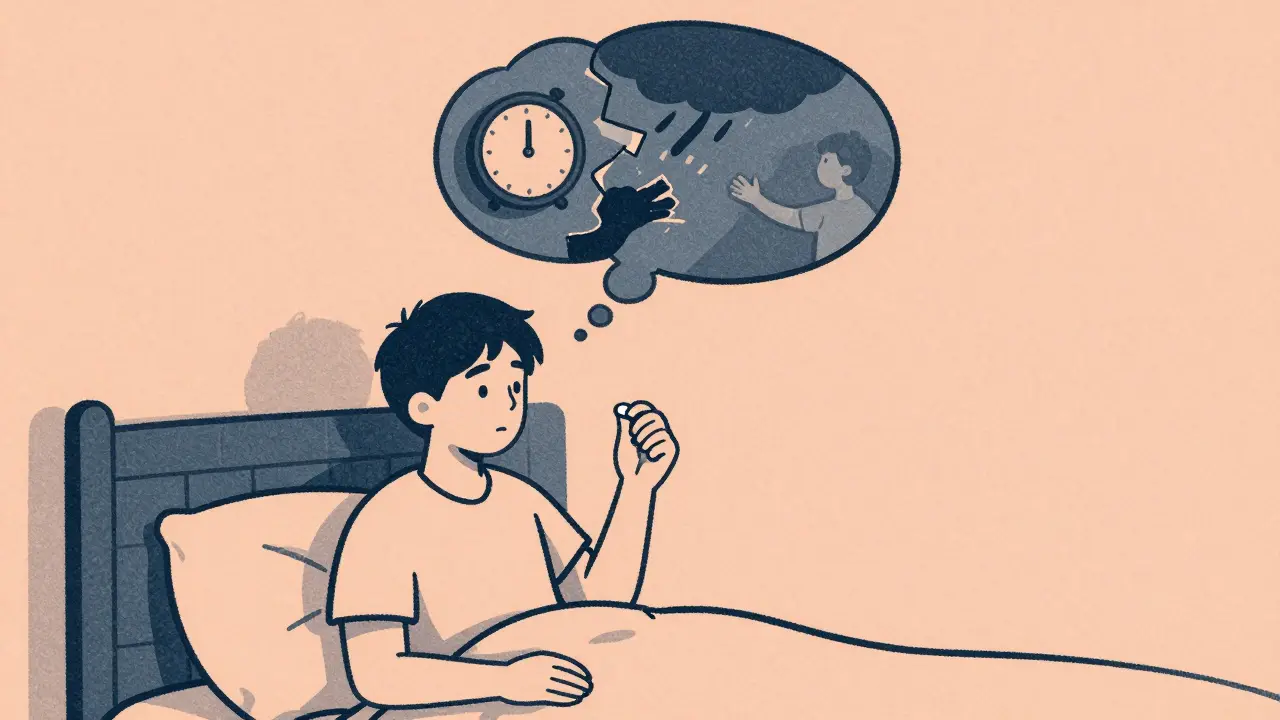
The FDA's Black Box Warning on antidepressants warns of increased suicide risk in young people - but the truth is more complex. Learn how the warning works, who it affects, and why it may be doing more harm than good.
view morePosted by Ian Skaife with 9 comment(s)
Nov

Emotional blunting from SSRIs affects up to 60% of users, causing numbness, loss of joy, and relationship strain. Learn why it happens, how to recognize it, and the proven solutions - including switching to bupropion.
view more