
When you hear red yeast rice, a fermented rice product used in traditional Chinese medicine and now sold as a dietary supplement for cholesterol control. Also known as red fermented rice, it’s been around for over a thousand years—but modern science has uncovered something surprising: it contains monacolin K, the same active compound found in the prescription statin drug lovastatin. That’s why some people turn to it as a "natural" way to lower cholesterol. But calling it natural doesn’t mean it’s safe or risk-free.
Here’s the catch: if you’re taking red yeast rice, you’re essentially taking a low-dose statin without medical oversight. The FDA has warned that some commercial products contain inconsistent or even dangerous levels of monacolin K. And like prescription statins, it can cause muscle pain, liver stress, and dangerous interactions with other meds—especially blood thinners or those that affect the liver. It’s not a magic herb. It’s a potent compound that your body treats like medicine, whether you bought it in a health store or a pharmacy.
People often use it because they’re afraid of statin side effects, or they think "natural" equals "safe." But the truth is, red yeast rice doesn’t come with the same safety monitoring as prescription drugs. No one checks your liver enzymes. No one adjusts your dose based on your weight or kidney function. And if you have diabetes, thyroid issues, or are over 65, the risks go up fast. Some studies show it can lower LDL cholesterol by 15–25%, similar to low-dose statins—but those studies were done in controlled settings, not in people self-medicating with store-bought capsules.
It’s also worth noting that red yeast rice isn’t regulated like a drug. That means two bottles with the same label can have wildly different amounts of active ingredients—or even contaminants like citrinin, a toxic mold byproduct. One brand might be clean. Another might be harmful. There’s no way to know unless you test it, and most consumers don’t.
If you’re thinking about trying it, don’t skip the doctor visit. Talk to your provider about your cholesterol numbers, your family history, and whether you’ve had muscle pain on statins before. You might be better off with a low-dose prescription statin that’s monitored, or a different approach entirely—like diet changes, exercise, or newer non-statin options like ezetimibe. Red yeast rice isn’t the answer for everyone. For some, it’s a helpful tool. For others, it’s a gamble with their health.
Below, you’ll find real patient experiences, scientific breakdowns, and safety guides that help you decide whether red yeast rice is right for you—or if there’s a smarter, safer path to better cholesterol.
Posted by Ian Skaife with 14 comment(s)
Dec
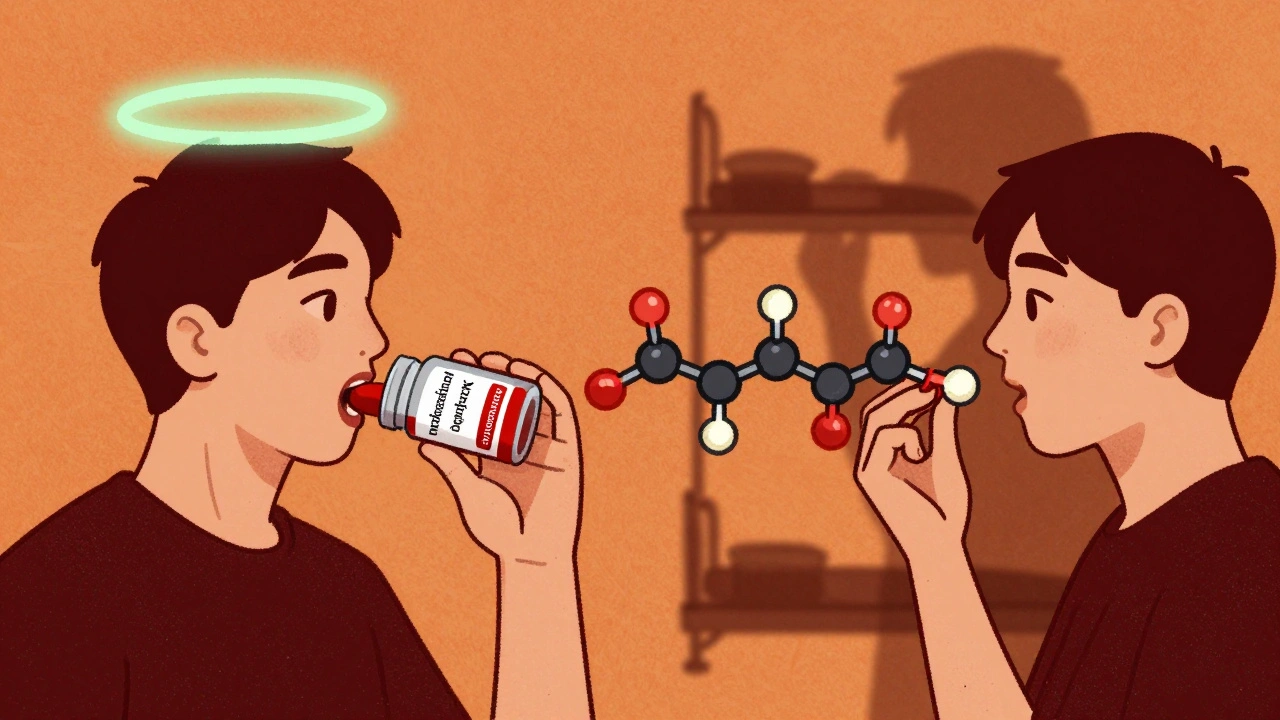
Red yeast rice contains the same active ingredient as statins, making it dangerous to take both together. Learn why combining them raises your risk of muscle damage and how to safely use red yeast rice-or avoid it altogether.
view more