
When you take a medication during pregnancy, it doesn’t just stay in your body—it can cross the placental drug transfer, the process by which substances move from the mother’s bloodstream into the fetal circulation through the placenta. Also known as fetal drug exposure, this isn’t always dangerous, but it’s never neutral. The placenta isn’t a wall—it’s a gatekeeper with holes, and some drugs slip through easily. Whether it’s a painkiller, an antidepressant, or even a supplement, if it’s small enough and fat-soluble, it likely crosses over. And that’s why knowing what’s passing through matters just as much as knowing what you’re taking.
Not all drugs behave the same. Some, like gabapentinoids, a class of drugs including gabapentin and pregabalin used for nerve pain and seizures, have been linked in recent studies to higher risks of heart defects and preterm birth. Others, like certain antibiotics or thyroid meds, pass through but rarely cause harm when properly dosed. The key isn’t just the drug—it’s the timing, the dose, and your body’s ability to process it. population pharmacokinetics, a method that tracks how drugs move through different people’s bodies using real-world data helps scientists figure out these patterns across diverse pregnant patients, not just lab models. This isn’t theoretical—it’s why some women get prescribed low doses while others can’t take a drug at all.
What you might not realize is that even over-the-counter drugs can be risky. NSAIDs like ibuprofen, often taken for headaches, can reduce amniotic fluid and affect fetal kidney development if used late in pregnancy. Meanwhile, some medications that seem harmless—like red yeast rice, which acts like a statin—can trigger muscle damage in the mother and potentially affect the baby’s development. And if you’re taking more than one drug, interactions multiply the risk. That’s why medication guides, FDA-mandated handouts that explain serious side effects in plain language exist—for high-risk drugs, they’re your first line of defense.
There’s no blanket rule: some drugs are safe, some are risky, and some we just don’t know enough about yet. But what’s clear is this: every pill you take while pregnant has a potential path to your baby. The goal isn’t to avoid all meds—it’s to understand which ones are worth the risk, which ones can be swapped for safer options, and how to monitor for signs of trouble. That’s why the posts here cover everything from how liver changes in pregnancy alter drug clearance, to how to appeal insurance denials if your doctor prescribes a brand-name drug that’s safer than the generic. You’ll find real data on what crosses the placenta, what doesn’t, and what you can do to protect both yourself and your baby.
Posted by Patrick Hathaway with 15 comment(s)
Dec
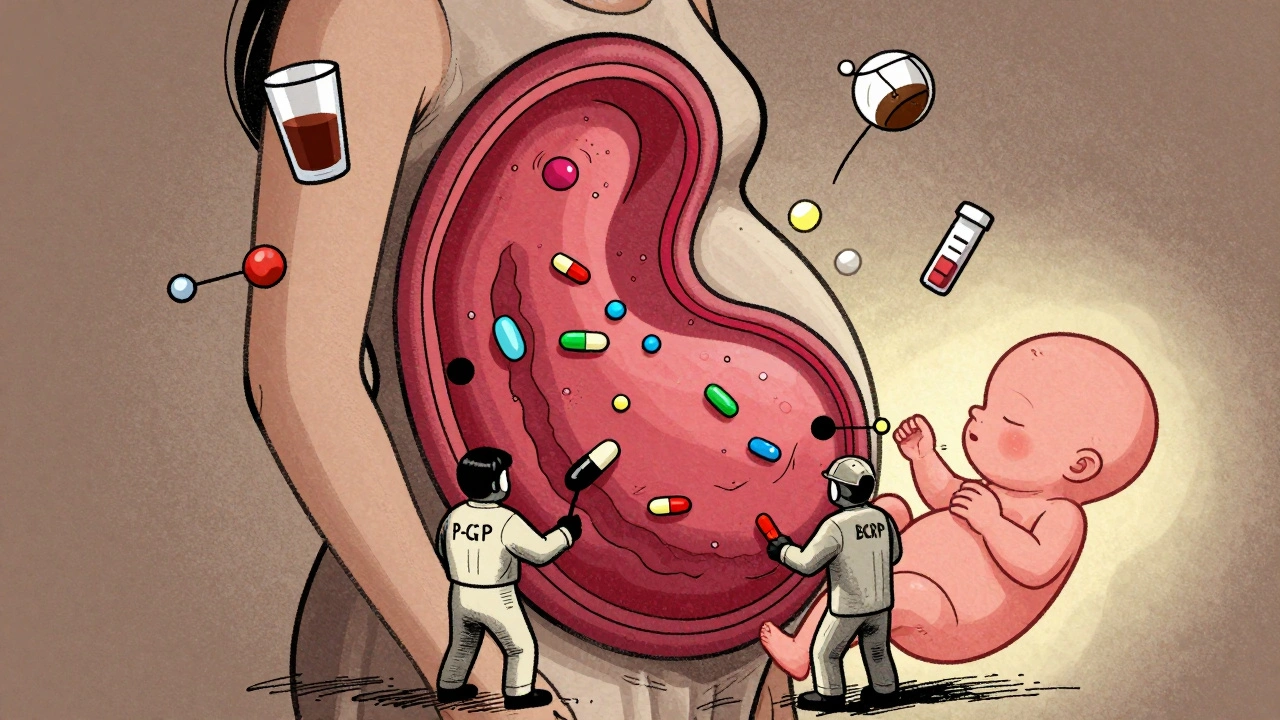
Medications don't just affect the mother-they cross the placenta and reach the fetus. Learn how drug size, solubility, and placental transporters determine fetal exposure, and which drugs pose real risks during pregnancy.
view more