
When we talk about neonatal outcomes, the health and survival of newborns in the first 28 days after birth. Also known as infant health outcomes, it includes everything from birth weight and breathing ability to long-term neurological development. These outcomes aren’t random—they’re shaped by what the baby was exposed to before birth, how their body handles drugs, and the quality of care they get right after delivery.
Fetal medication exposure, how drugs pass from mother to baby through the placenta plays a huge role. Not all medications cross the placenta the same way. Small, fat-soluble drugs slip through easily. Others get blocked by transporters that act like bouncers at a club. That’s why some blood pressure pills or antidepressants can affect a baby’s heart rate or breathing, while others don’t. The placental drug transfer, the process by which substances move from maternal to fetal circulation isn’t a simple filter—it’s a dynamic system influenced by pregnancy stage, maternal health, and even genetics.
And it’s not just about what’s given. A baby’s own ability to process drugs matters too. Newborns have underdeveloped livers and kidneys. A dose that’s safe for an adult might overload a newborn’s system. That’s why some medications are avoided entirely during pregnancy, and why others require careful dosing after birth. Even something as common as ibuprofen or certain antibiotics can change neonatal outcomes if used without understanding these limits.
Genetics also quietly shape these outcomes. Some babies inherit slower drug-metabolizing enzymes, making them extra sensitive to certain meds. Others have genetic variants that make them more prone to jaundice or breathing problems after exposure. This isn’t theoretical—it’s why doctors now look beyond just the drug name and start asking: Who is the baby? Ethnic background, family history, and even birth complications all feed into the picture.
What you’ll find in the posts below isn’t just a list of facts. It’s a practical guide to what actually affects newborn health—from the drugs that cross the placenta, to how insurance denials can delay critical care, to why some generics behave differently in infants. You’ll see how real data from population studies, real patient stories, and real clinical guidelines connect to the bottom line: keeping newborns safe from the moment they’re born.
Posted by Ian Skaife with 12 comment(s)
Dec
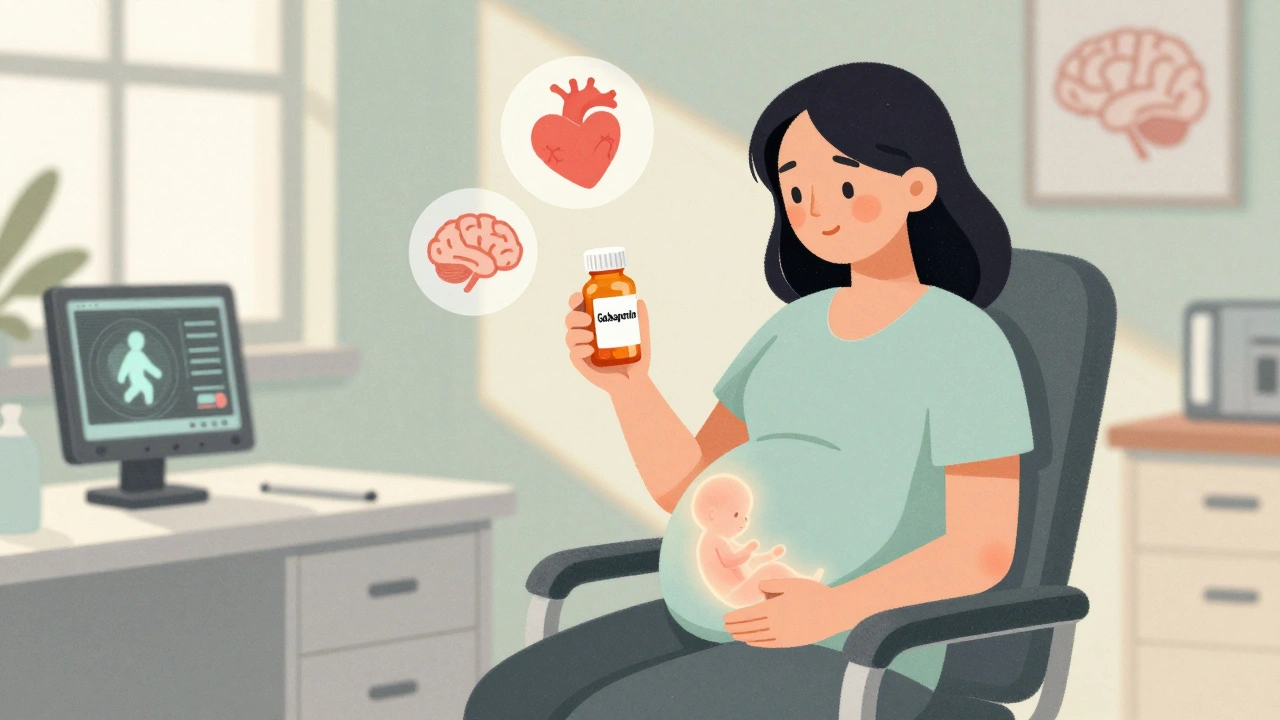
Gabapentin and pregabalin are increasingly used in pregnancy for pain and seizures, but new data shows risks of heart defects, preterm birth, and NICU admissions. Learn what the latest evidence says and how to make informed choices.
view more