
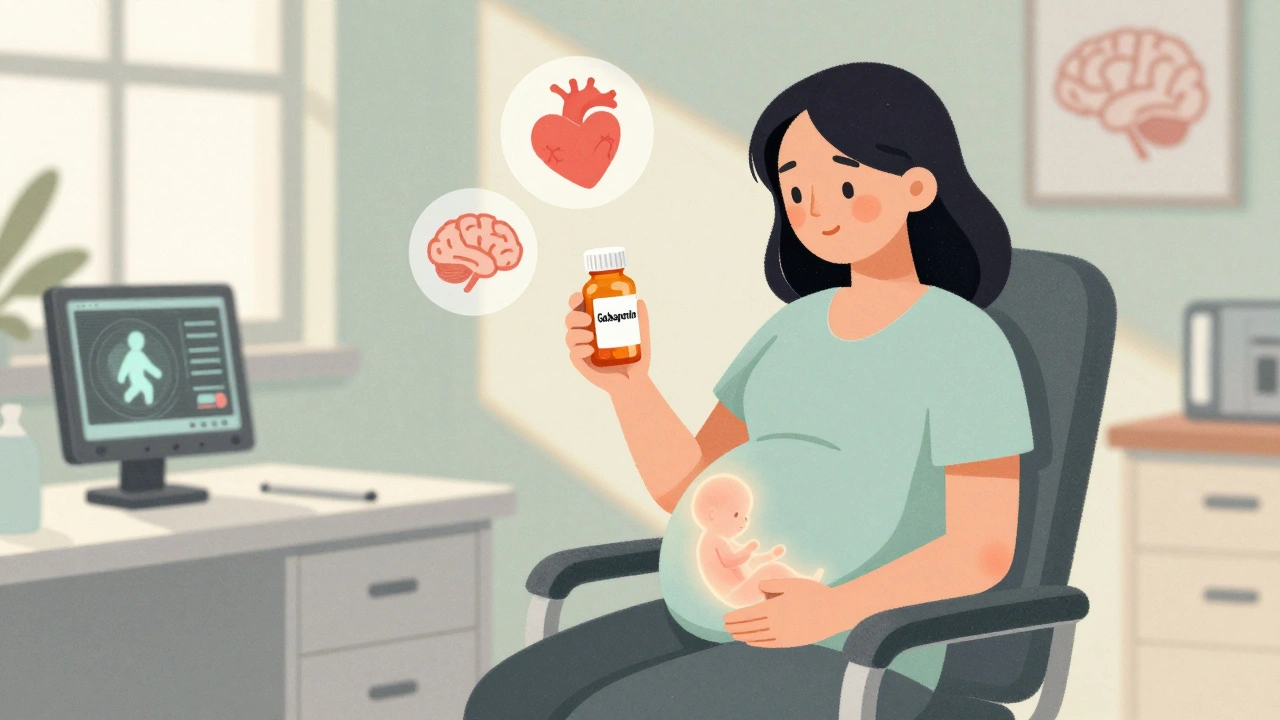
When a woman is pregnant and struggling with chronic pain, anxiety, or seizures, the question isn’t just gabapentin pregnancy safety-it’s whether the relief she needs is worth the unknowns. Gabapentin and pregabalin, two drugs often prescribed for nerve pain, epilepsy, and sometimes depression, are being used more than ever during pregnancy. In the U.S., nearly 1 in 25 pregnant women now takes one of these drugs. But what does that mean for the baby?
What Are Gabapentinoids, and Why Are They Used in Pregnancy?
Gabapentin and pregabalin are not traditional painkillers like opioids or NSAIDs. They work by calming overactive nerves in the brain and spinal cord. That’s why they’re used for conditions like post-shingles pain, fibromyalgia, and certain types of epilepsy. For some pregnant women, these are the only medications that bring real relief when other options fail.
But here’s the catch: these drugs cross the placenta. Studies have confirmed they reach the developing fetus. Gabapentin, with its small molecular size and high water solubility, moves easily from mother to baby. That’s not necessarily bad-many medications do. But when a drug affects nerve signaling in the adult brain, it’s reasonable to ask: what does it do to a developing fetal brain?
The Big Study: What the Data Really Shows
The most comprehensive look at this came from a 2020 study published in PLOS Medicine, tracking over 1.7 million pregnancies in the U.S. The results were mixed. Overall, gabapentin didn’t dramatically raise the risk of major birth defects. The absolute risk increased from about 3% in unexposed pregnancies to 3.21% in those exposed. That’s a small difference.
But one finding stood out: a 40% higher risk of specific heart defects, especially conotruncal defects-problems with the outflow tracts of the heart. That’s not common, but it’s enough to warrant attention. When women took gabapentin regularly during pregnancy (two or more prescriptions), the risk rose. And unlike some other seizure meds, like valproic acid-which carries a 10% risk of serious birth defects-gabapentin’s overall risk is much lower. But it’s not zero.
Neonatal Issues: More Common Than Expected
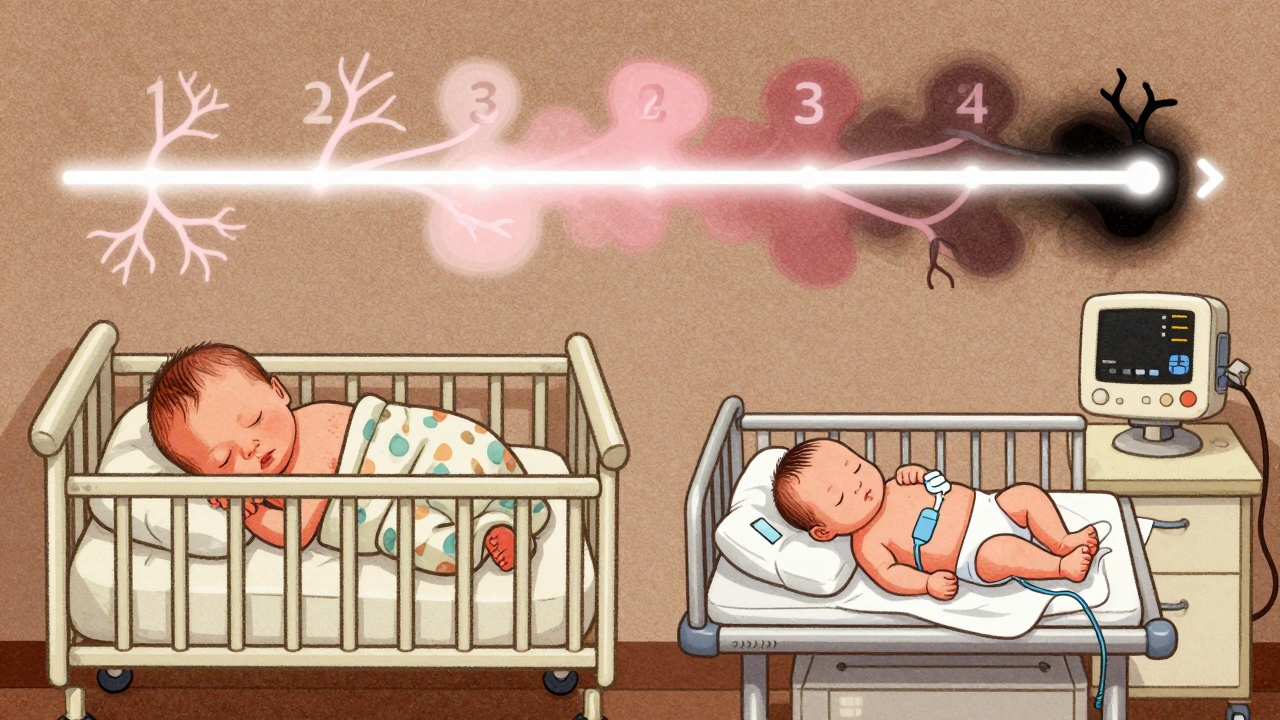
The biggest red flag isn’t birth defects-it’s what happens after birth. In one study of 209 women who took gabapentin until delivery, nearly 38% of their babies needed time in the NICU. That’s compared to just 2.9% in babies not exposed. These infants often showed signs of withdrawal or adaptation syndrome: jitteriness, trouble feeding, irritability, and breathing difficulties. It’s not full-blown neonatal abstinence syndrome like with opioids, but it’s enough to make doctors pause.
And it’s not just the newborn period. The same study found higher rates of preterm birth and babies born small for their gestational age. These aren’t minor issues. Preterm babies face longer hospital stays, breathing problems, and long-term developmental risks. Small babies can struggle with feeding and temperature regulation. These outcomes matter more than the number on a risk chart.
Timing Matters: First Trimester vs. Third Trimester
Not all exposure is the same. If a woman takes gabapentin only in the first trimester, the risk of major structural defects is very low. The heart and major organs form early, and while there’s a slight signal for heart issues, the absolute risk remains under 1%. But the third trimester is where things get riskier. That’s when the baby’s brain and nervous system are rapidly maturing. Gabapentin can interfere with neurotransmitter systems-animal studies show it reduces the growth of dopamine-producing neurons and lowers key genes like Nurr1 and Bdnf, which are critical for brain development.
That’s why experts now warn: if you’re taking gabapentin and you’re pregnant, the biggest concern isn’t what happens at week 8-it’s what happens at week 32.
What Do Guidelines Say?
Regulators are catching up. The European Medicines Agency says pregabalin should be avoided in pregnancy unless benefits clearly outweigh risks. The British National Formulary calls for “special consideration.” The FDA still labels both drugs as Category C-meaning animal studies showed harm, and human data is limited. That’s not a green light, but it’s not a ban either.
The American College of Obstetricians and Gynecologists (ACOG) says gabapentin should only be used when non-drug treatments have failed and the condition is severe. That’s key. This isn’t for mild back pain or occasional anxiety. It’s for women with debilitating neuropathic pain that no other treatment controls.
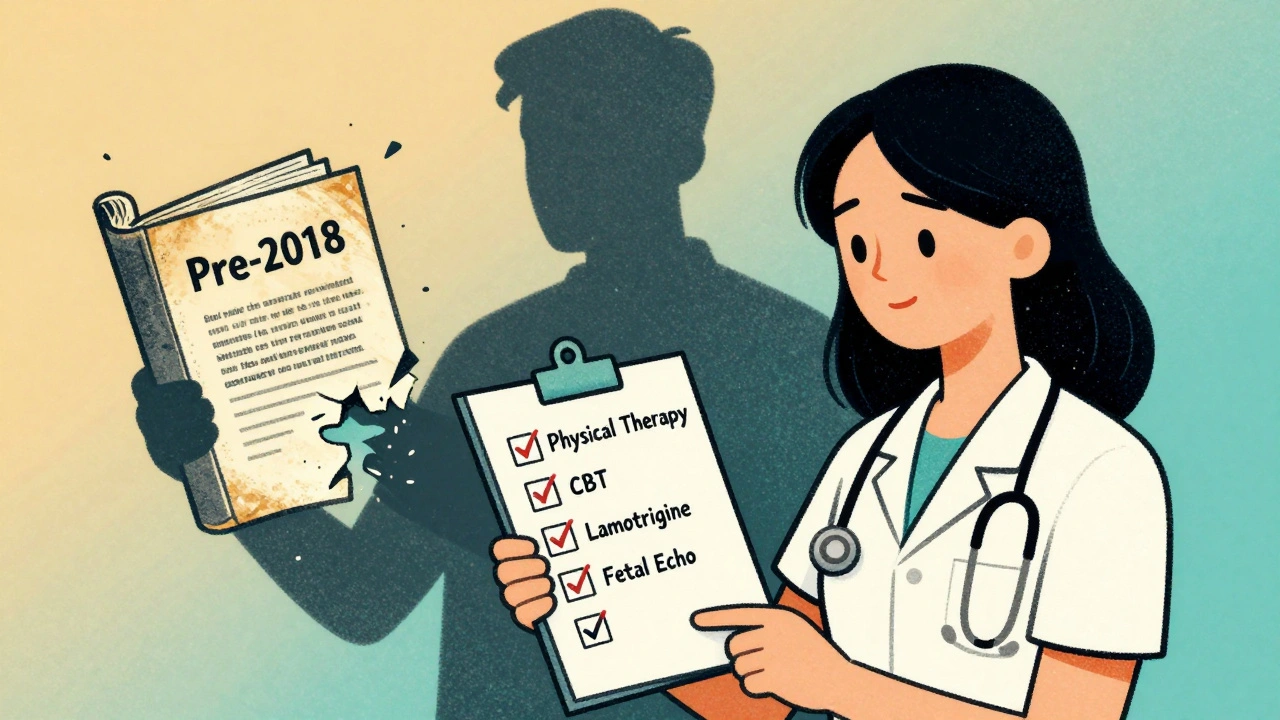
And here’s the problem: many doctors still prescribe it without realizing the risks. A 2023 survey found nearly half of U.S. hospitals still use outdated guidelines from before 2018. That’s dangerous. The data has changed. The prescribing habits haven’t.
Pregabalin vs. Gabapentin: Is One Safer?
Pregabalin is more potent and has better absorption than gabapentin. That means lower doses, but also potentially higher fetal exposure. Animal studies show pregabalin causes more developmental toxicity than gabapentin. While human data is still limited, the European Medicines Agency has been clearer in its warnings about pregabalin. Many experts now believe pregabalin carries a higher risk profile and should be avoided in pregnancy entirely unless no other option exists.
Gabapentin, while not risk-free, is still the lesser of two evils in some cases. But “lesser” doesn’t mean “safe.”
What Should Women Do?
If you’re planning a pregnancy and taking gabapentin or pregabalin, talk to your doctor before you conceive. Don’t stop cold turkey-some conditions, like uncontrolled seizures, are more dangerous to the fetus than the medication. But don’t assume it’s fine just because you’ve been on it for years.
Ask these questions:
- Is there a non-drug option? Physical therapy, cognitive behavioral therapy, or nerve blocks might work.
- Is there a safer medication? Lamotrigine, for example, has better safety data in pregnancy and is often preferred for epilepsy.
- If I must continue, should I lower the dose? Reducing the dose, especially in the third trimester, may reduce NICU risk.
- Should I get a fetal echocardiogram? If you’ve been taking gabapentin consistently, a detailed heart scan between weeks 18 and 22 is worth considering.
And if you’re already pregnant and taking one of these drugs? Don’t panic. But do schedule a conversation with your OB-GYN and neurologist or pain specialist. The goal isn’t to scare you-it’s to make sure you’re not taking unnecessary risk.
The Future: What’s Next?
The FDA now requires manufacturers to track 5,000 pregnancy outcomes by 2027. That’s a big step. And one NIH-funded study is already following 1,200 children exposed to gabapentin in utero, tracking their development until age 5. Early results are expected in late 2025. We may finally know if these babies have subtle learning delays, attention issues, or motor problems later in childhood.
For now, the message is simple: gabapentinoids aren’t the dangerous drugs they used to be in the 1990s. But they’re not harmless either. The risks are real, specific, and growing as more women use them. The best approach isn’t blanket avoidance-it’s careful, informed decision-making.
For women with severe, uncontrolled pain, gabapentin might still be the best option. But for others? There are safer paths. And knowing the data means you can choose wisely.
Comments
iswarya bala
i just found out i’m pregnant and i’ve been on gabapentin for years for my nerve pain... i’m terrified but also don’t wanna just quit cold turkey. anyone else been here?
December 10, 2025 AT 23:12
Anna Roh
this article is fine i guess but like... why are we even talking about this like it’s a surprise? doctors prescribe this stuff like candy.
December 11, 2025 AT 01:30
om guru
Pregnant women must consult qualified medical professionals before altering medication regimens. The data presented is clinically significant and warrants individualized risk assessment
December 11, 2025 AT 09:37
Olivia Portier
i had my baby last year on gabapentin and she was in the NICU for 5 days just for jitteriness and feeding trouble. no heart defects thank god but wow. i wish someone had told me this stuff before i got pregnant. please talk to your doc, girls. you’re not alone.
December 11, 2025 AT 18:58
Jennifer Blandford
okay but like... imagine being a woman with chronic pain and being told to just ‘tough it out’ because the meds might hurt the baby? that’s not safety, that’s punishment. i’m not saying it’s risk-free but the real villain here is the medical system that doesn’t give us better options.
December 12, 2025 AT 23:10
Ronald Ezamaru
The 38% NICU admission rate in exposed neonates is alarming and aligns with emerging neurodevelopmental toxicity data. The placental transfer kinetics of gabapentinoids are well documented, and the third trimester exposure correlates strongly with autonomic dysregulation in neonates. Avoid unless absolutely necessary.
December 14, 2025 AT 13:59
Ryan Brady
USA is turning into a nanny state. If you want to take a pill while pregnant, take it. Stop scaring women with stats. My cousin took gabapentin and her kid’s now a pro soccer player. What’s your point?
December 14, 2025 AT 23:08
Raja Herbal
so let me get this straight… we have a drug that makes babies jittery, small, and preterm… but we’re still prescribing it because ‘other options failed’? wow. guess my pain isn’t that bad after all
December 16, 2025 AT 07:02
Rich Paul
bro gabapentin is basically just a benzo for nerds. pregabalin is the premium version. both cross the placenta like it’s nothing. if you’re taking it for anxiety, try yoga. if you’re taking it for seizures, you already know the risks. stop acting like this is new info
December 18, 2025 AT 05:40
Delaine Kiara
i’m a nurse and i’ve seen this. one woman took gabapentin for back pain, had a baby with a mild heart defect, and now she’s suing the hospital because the OB didn’t ‘warn her properly’. meanwhile, she was on it for 3 years and never mentioned it. the system is broken. everyone’s just waiting for the lawsuit.
December 19, 2025 AT 23:18
Gilbert Lacasandile
i appreciate the data. i’ve been on gabapentin for fibro since 2019. i’m trying to get pregnant next year. i’ll talk to my neurologist about tapering. thank you for not just saying ‘stop everything’ - that’s not helpful.
December 20, 2025 AT 21:38
Morgan Tait
you know what’s really dangerous? The fact that Big Pharma funded 90% of the ‘safe’ studies. The real data is buried. I know a guy whose kid had autism after his mom took gabapentin. They told him it was ‘genetics’. Bullshit. The FDA is asleep. And don’t get me started on how they hide the fetal brain scans. This is a cover-up.
December 21, 2025 AT 13:23