
When you hear monacolin K, a naturally occurring compound found in fermented red yeast rice that acts like a prescription statin to lower LDL cholesterol. Also known as lovastatin, it’s the same active ingredient in the drug Mevacor and works by blocking HMG-CoA reductase — the enzyme your liver uses to make cholesterol. Unlike synthetic statins, monacolin K comes from a food-based source, which is why many people turn to red yeast rice supplements thinking they’re getting a "natural" alternative. But here’s the catch: it’s not safer just because it’s natural. It’s the same molecule, with the same effects — and the same risks.
Monacolin K doesn’t work in isolation. It’s tied to red yeast rice, a traditional Chinese food and medicine made by fermenting rice with the yeast Monascus purpureus. This isn’t just a supplement — it’s a fermented product with dozens of compounds, some helpful, some harmful. The FDA has warned that some red yeast rice products contain citrinin, a kidney-toxic mold byproduct, and inconsistent levels of monacolin K. One bottle might have enough to lower your cholesterol; the next might have almost none. That’s why you can’t treat it like a vitamin. If you’re using it to manage high cholesterol, you need to know what’s actually in it.
People often ask if monacolin K is better than statins. The answer? Sometimes. For someone who can’t tolerate a statin due to muscle pain or liver enzyme spikes, a standardized red yeast rice product with known monacolin K content might be an option — but only under a doctor’s supervision. Studies show it can reduce LDL by 15–25%, similar to low-dose statins. But it also carries the same side effects: muscle weakness, liver stress, and dangerous interactions with grapefruit, alcohol, or other cholesterol drugs. And if you’re on blood thinners or have kidney disease? It could be risky.
Monacolin K also connects to lipid management, the broader strategy of controlling cholesterol and triglycerides to reduce heart disease risk. It’s not a magic bullet. Diet, exercise, and genetics play bigger roles than any single supplement. But for many, it’s part of the puzzle — especially when insurance won’t cover a statin or when someone wants to try a less aggressive approach first. The key is consistency and monitoring. Blood tests matter. Muscle pain isn’t normal. And if you stop checking your numbers, you’re guessing — not managing.
You’ll find posts here that dig into why some people react badly to red yeast rice, how to spot fake supplements, and what to do if your cholesterol doesn’t budge. There are guides on comparing it to prescription statins, understanding liver enzyme changes, and navigating insurance when you’re using it as a medical tool. This isn’t about hype. It’s about knowing what you’re taking, why it works, and when to walk away.
Posted by Ian Skaife with 14 comment(s)
Dec
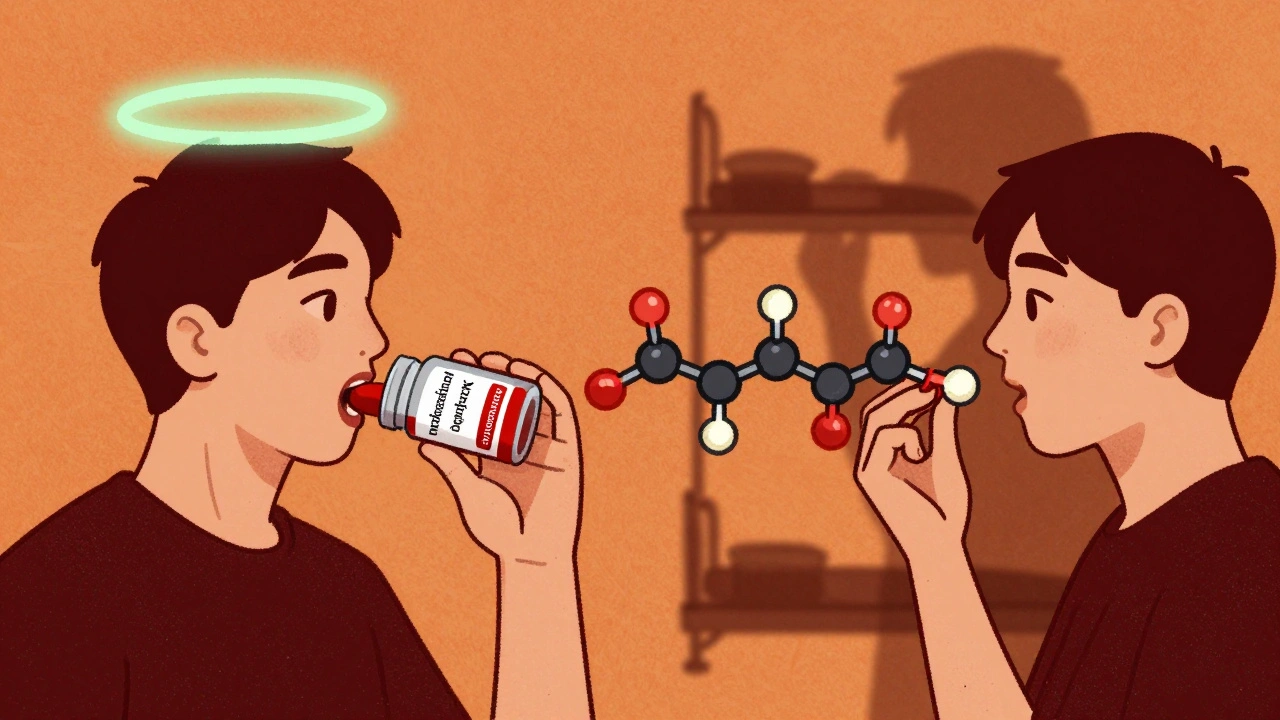
Red yeast rice contains the same active ingredient as statins, making it dangerous to take both together. Learn why combining them raises your risk of muscle damage and how to safely use red yeast rice-or avoid it altogether.
view more