
When you take a pill, you're not just treating a symptom—you're introducing a chemical into a complex system that can react in ways no one always predicts. Medication risks, the unintended and sometimes dangerous outcomes of taking drugs. Also known as adverse drug reactions, these aren’t just rare side effects listed in tiny print—they’re real, frequent, and often missed. Think about it: one in five older adults ends up in the hospital because of a medication problem. Most of those cases aren’t from overdoses. They’re from everyday pills interacting with other pills, or from changes in the body that no one told you about.
Drug interactions, when two or more substances change how each other works in your body. Also known as medication interactions, they’re the silent killers behind many hospital visits. Take blood thinners and ibuprofen. Together, they can triple your chance of internal bleeding. Or red yeast rice and statins—same active ingredient, double the risk of muscle damage. Even something as simple as St. John’s Wort can make your birth control useless. These aren’t edge cases. They’re common mistakes made by people who trusted their pharmacist or assumed "natural" meant safe.
Side effects, the unwanted physical or emotional changes caused by medication. Also known as adverse effects, they’re not always obvious. Blurred vision from blood pressure pills? Emotional numbness from SSRIs? Painless muscle weakness from steroids? These aren’t "just part of the deal." They’re warning signs. And then there’s liver damage—silent, slow, and often ignored until it’s too late. Jaundice, dark urine, itching—these aren’t normal. They’re red flags. And for older adults, kidney and liver changes mean the same dose that worked at 40 can overdose you at 70.
Even generics, the affordable alternative, aren’t always interchangeable. Some people feel worse after switching—especially with drugs like levothyroxine, where tiny differences in absorption matter. And if you’re on insurance, you might be paying more for your generic than if you paid cash, thanks to hidden pharmacy negotiations nobody talks about.
What you’ll find below isn’t a list of scary stories. It’s a practical guide to spotting the real dangers before they hit you. From how to read the fine print on your prescription to knowing exactly when to stop a drug and when to call your doctor, these posts give you the tools to protect yourself. You’ll learn which combinations can cause bleeding, how to avoid liver damage, why some people react to generics, and what to do when your medication stops working—or starts hurting you. This isn’t theory. It’s what happens in real lives. And you deserve to know the truth before you swallow the next pill.
Posted by Ian Skaife with 8 comment(s)
Dec
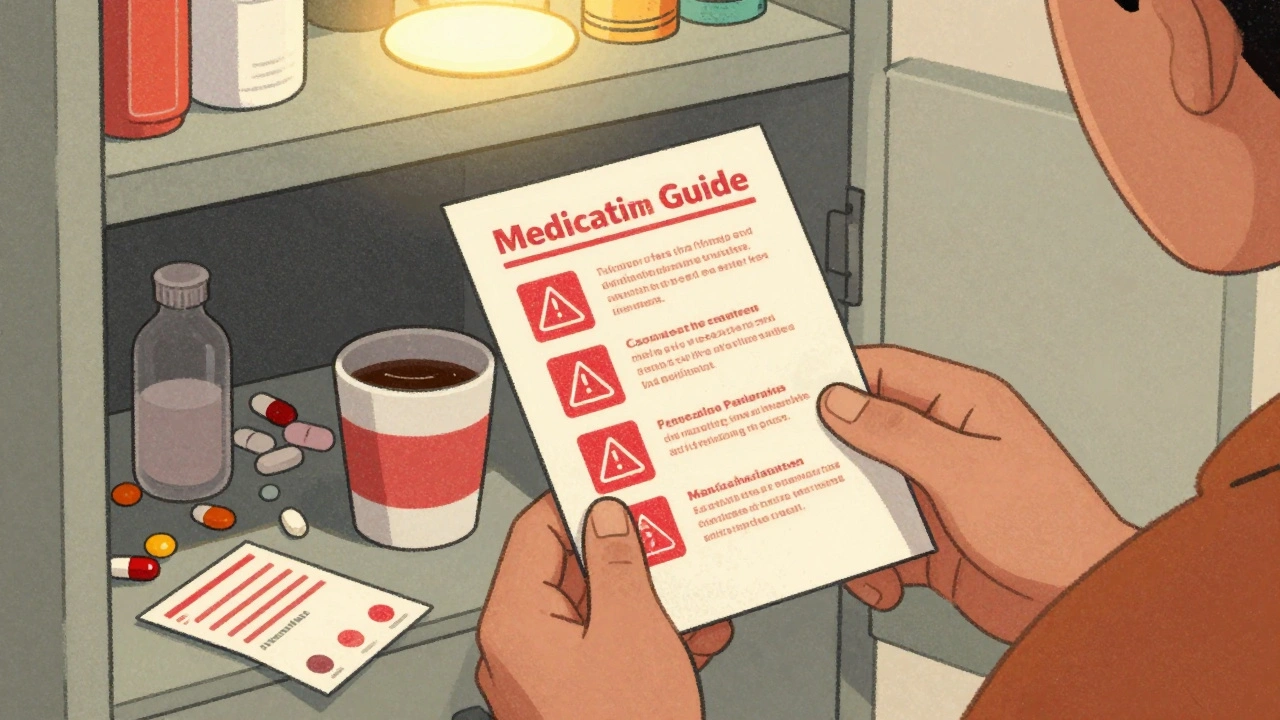
Medication Guides are FDA-mandated safety documents for high-risk prescription drugs. They explain serious side effects, interactions, and warning signs in plain language - and they can save your life if you read them.
view more