
When you hear generic medications, pharmaceutical products that contain the same active ingredients as brand-name drugs but are sold under their chemical name. Also known as generic drugs, they are required by law to work the same way in your body as the original brand, with the same dosage, strength, and side effects. Yet many people still pay more than they need to—sometimes even more with insurance than cash—because they don’t understand how the system works.
The real story behind generic drug prices, the cost of medications that are no longer under patent protection and are produced by multiple manufacturers isn’t about manufacturing. It’s about hidden negotiations between insurers, pharmacies, and middlemen called pharmacy benefit managers, companies that manage prescription drug programs for health plans and employers. These PBMs control which generics are covered, how much you pay, and even whether you can get the cheapest version. That’s why two people on the same insurance plan can pay wildly different amounts for the same pill.
And it’s not just about cost. medication safety, the practice of using drugs correctly to avoid harm, errors, or dangerous interactions matters just as much. A generic version of a blood thinner or a statin has to meet the same FDA standards as the brand. But if you switch between different generic makers without telling your doctor, you might run into small differences in inactive ingredients that affect how your body absorbs the drug—especially if you have conditions like celiac disease or kidney problems. That’s why reading your medication guides, FDA-mandated safety documents that explain serious risks of high-risk drugs in plain language is never optional.
Many of the posts here dive into real-world problems tied to generics: why red yeast rice acts like a statin and shouldn’t be mixed with it, how liver changes in older adults affect how generics are processed, or why combining a generic NSAID with a blood thinner can cause life-threatening bleeding. You’ll find guides on how to use manufacturer coupons for brand drugs when generics aren’t enough, how to check if your medication is in short supply using the FDA’s database, and how to travel with your prescriptions without getting stopped at customs.
There’s no magic trick to saving money on meds. But knowing how generic medications are priced, who controls access, and what red flags to watch for gives you real power. You don’t need to be a pharmacist to ask the right questions. You just need to know what to look for—and what to demand.
Posted by Patrick Hathaway with 1 comment(s)
Apr
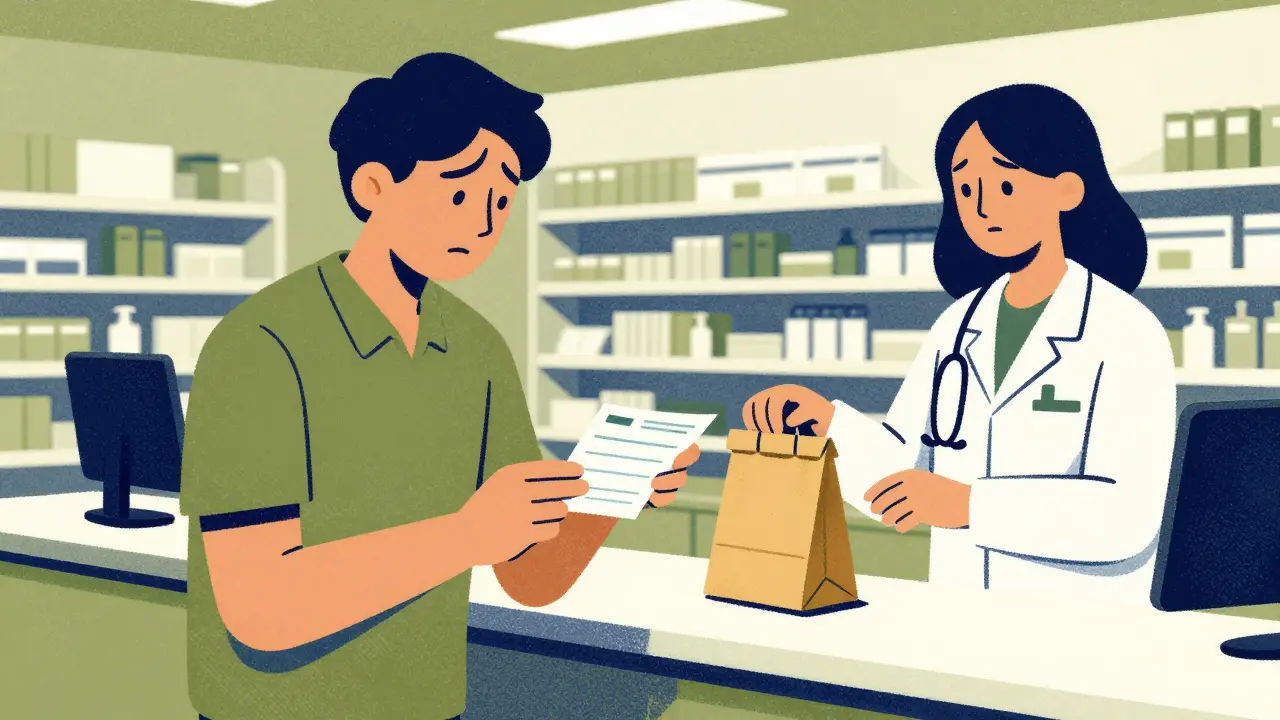
Explore why generic medications are a safe, affordable alternative to brand-name drugs. Learn about bioequivalence, potential exceptions, and key questions to ask your pharmacist.
view morePosted by Ian Skaife with 10 comment(s)
Dec
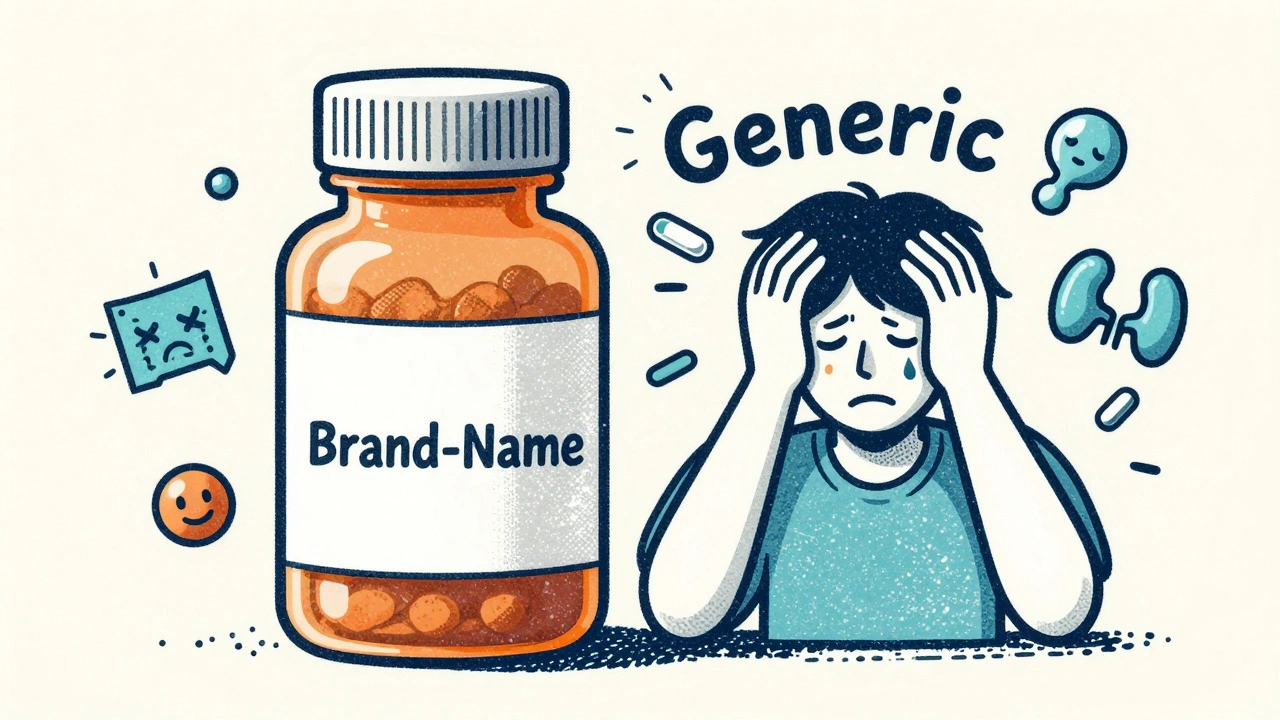
Generic medications save billions, but for some people, switching to generics causes serious side effects. Why do reactions vary? And what can you do if you feel worse after a switch?
view more