
When you're pregnant and taking gabapentin, a prescription medication used for nerve pain, seizures, and sometimes anxiety. Also known as Neurontin, it's one of the most commonly prescribed drugs for pregnant people with epilepsy or chronic pain. But here’s the question no one talks about enough: does it cross the placenta? And if it does, what does that mean for your baby?
The answer isn’t simple, but the data is clearer than you think. Studies tracking thousands of pregnancies show gabapentin does cross the placenta—just like most small, water-soluble drugs. It doesn’t sit at the door; it gets through. That doesn’t automatically mean it’s dangerous, but it does mean you can’t treat it like a harmless supplement. The biggest concern isn’t birth defects—it’s potential effects on fetal development, especially during the first trimester when organs form. A 2022 study in Neurology found no major increase in birth defects, but it did note slightly higher rates of preterm birth and low birth weight when gabapentin was used daily in early pregnancy. That’s not a red flag, but it’s a signal to weigh risks carefully.
Why does this matter? Because if you’re on gabapentin for seizures, stopping suddenly can be far riskier than staying on it. Uncontrolled seizures during pregnancy can cause oxygen loss to the fetus, premature labor, or even miscarriage. So the real choice isn’t "take gabapentin" or "don’t take anything"—it’s "take gabapentin" or "switch to another medication". And that’s where things get tricky. Some alternatives, like lamotrigine, have better safety data in pregnancy. Others, like valproate, are known to cause serious harm. Your doctor doesn’t make this call based on guesswork—they look at your seizure frequency, your history, your blood levels, and what’s worked before. This isn’t about fear. It’s about balance.
And it’s not just about the drug itself. Your liver and kidneys change during pregnancy, which affects how your body processes gabapentin. That means your dose might need adjusting—not because it’s unsafe, but because your body is working differently. Many people don’t realize that the same dose that worked before pregnancy might be too low—or too high—after. Regular check-ins with your provider aren’t optional; they’re part of staying safe.
What about breastfeeding? Gabapentin passes into breast milk, but in very small amounts. Most babies exposed through milk show no side effects, but premature or newborn babies with underdeveloped kidneys might be more sensitive. If you’re nursing, watch for unusual sleepiness, poor feeding, or breathing issues. If you see any of those, call your pediatrician right away.
There’s no perfect answer. But there is a clear path: don’t stop gabapentin on your own. Don’t assume it’s safe because it’s "common." Don’t assume it’s dangerous because it’s a "nervous system drug." Talk to your doctor, get your blood levels checked, and ask about alternatives. If you’re worried, bring this page with you. You’re not just taking a pill—you’re managing two lives. And you deserve to know exactly what you’re dealing with.
Below, you’ll find real, research-backed posts that break down how medications like gabapentin affect the fetus, what doctors actually look for in pregnancy, and how to navigate insurance, side effects, and alternatives when your body changes in ways no one warned you about.
Posted by Ian Skaife with 12 comment(s)
Dec
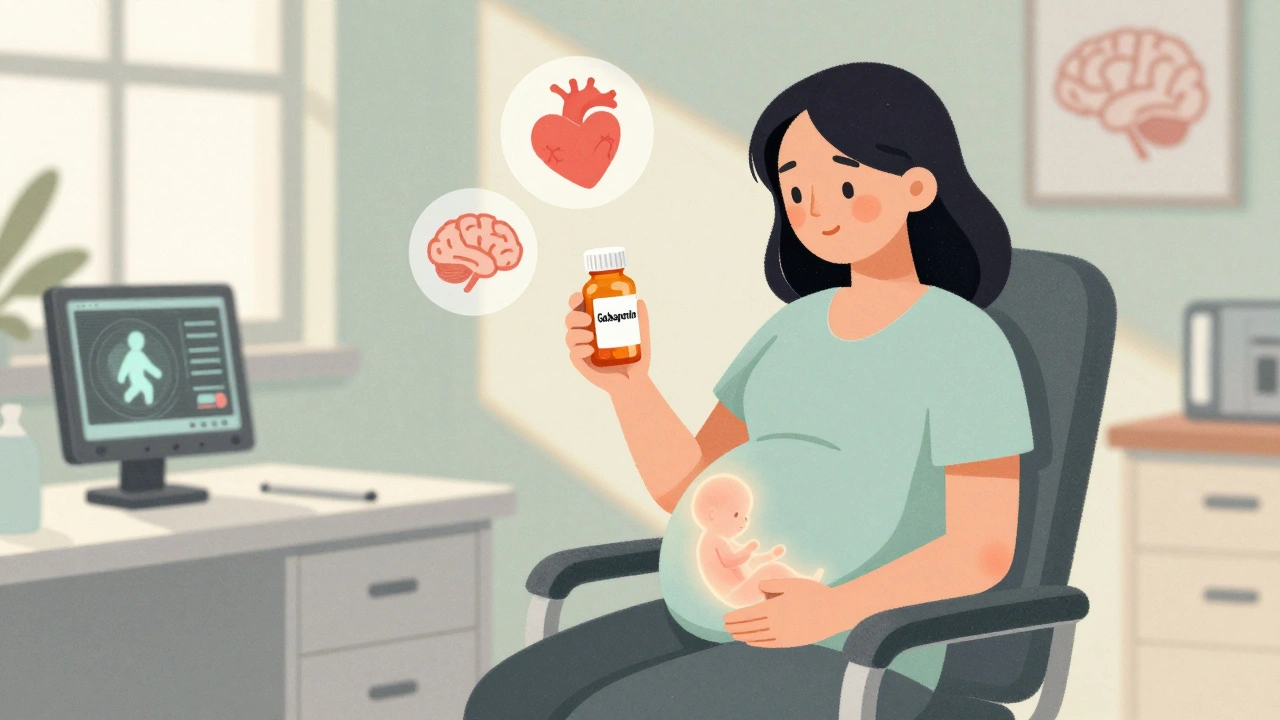
Gabapentin and pregabalin are increasingly used in pregnancy for pain and seizures, but new data shows risks of heart defects, preterm birth, and NICU admissions. Learn what the latest evidence says and how to make informed choices.
view more