
When you get older, your body doesn’t just slow down—it starts handling medicines in ways it never did before. This is called elderly drug metabolism, the way the body absorbs, processes, and eliminates drugs in older adults, often with reduced efficiency due to biological changes. Also known as age-related pharmacokinetics, it’s not just about taking fewer pills—it’s about how your liver, kidneys, and even your body fat change how those pills work. Many seniors take five or more medications daily. What was once a safe dose at 50 can become dangerous at 75, not because the drug changed, but because your body’s ability to break it down didn’t keep up.
Think of your liver as a factory that used to run 24/7. Now, it’s down to 12-hour shifts. Your kidneys? They’ve lost about half their filtering power since you were 30. That means drugs like blood pressure meds, painkillers, or antidepressants stick around longer. And if you’re also taking a statin or a blood thinner? That extra time in your system can turn a mild side effect into a fall, a hospital visit, or worse. This isn’t rare—it’s standard. Up to 40% of hospital admissions in people over 65 are linked to drug reactions, and most of them are preventable.
Drug interactions, when two or more medications interfere with each other’s effects or metabolism, often becoming more dangerous with age. Also known as polypharmacy risks, they’re one of the biggest hidden dangers for seniors. A common painkiller like ibuprofen might seem harmless, but combined with a blood thinner? That’s a recipe for internal bleeding. Or maybe you’re on a medication that makes you dizzy—add it to another that slows your heart rate, and suddenly standing up is risky. And don’t forget supplements. St. John’s Wort, magnesium, even high-dose vitamin E can mess with how your body processes prescriptions. These aren’t theoretical risks—they show up in real patient stories every day.
That’s why knowing how your body changes matters more than ever. It’s not about avoiding meds—it’s about using them smarter. Some drugs need lower doses. Others need to be swapped out entirely. And sometimes, the best choice is to stop something you’ve been taking for years. The posts below cover exactly that: how to spot when a side effect isn’t normal, what to ask your doctor before adding a new pill, how to check if your meds are even available, and which combinations can put you in danger. You’ll find real-world advice on managing medications safely as you age—no jargon, no fluff, just what works.
Posted by Patrick Hathaway with 10 comment(s)
Nov
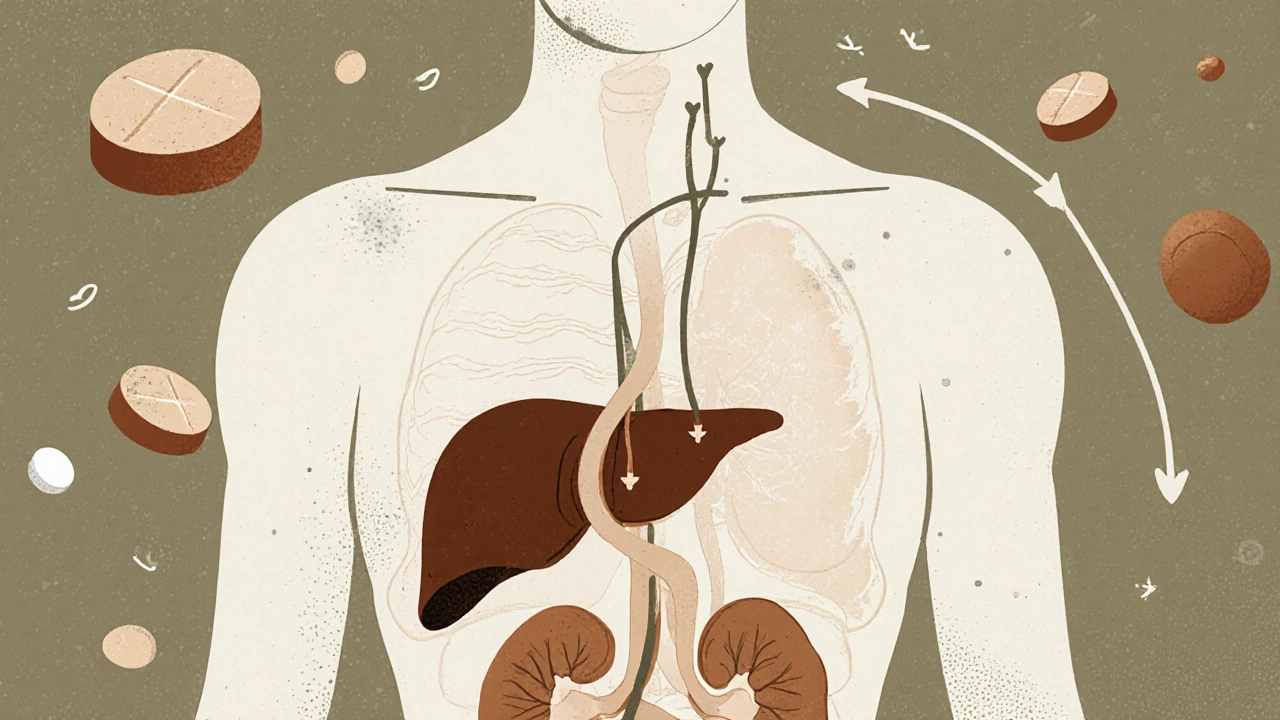
As people age, liver and kidney changes slow how drugs are processed, increasing the risk of side effects and hospitalizations. Learn how these changes affect common medications and what you can do to stay safe.
view more