
When you hear cholesterol supplements, over-the-counter products marketed to help manage blood cholesterol levels. Also known as lipid-lowering nutraceuticals, they’re often used by people trying to avoid statins or reduce their dose—but not all of them do what they claim. The market is flooded with options, from red yeast rice to fish oil pills, but only a few have solid evidence behind them. And even those can interact with your prescriptions or cause side effects if you’re not careful.
One of the most studied is red yeast rice, a traditional Chinese remedy that contains monacolin K, the same compound found in the statin drug lovastatin. It’s been shown in clinical trials to lower LDL by 15–25% in some people. But here’s the catch: because it’s sold as a supplement, there’s no standardization. One bottle might have enough active ingredient to work, while another might be useless—or even dangerous if contaminated. The FDA has warned about this for years, yet it’s still widely available.
Then there’s plant sterols and stanols, natural compounds found in small amounts in plants that block cholesterol absorption in the gut. You’ll find them added to margarines, orange juice, and supplements. Taken daily in doses of 2 grams, they can reduce LDL by about 10%. They’re safe for most people, but they don’t help if you already eat a lot of plant-based foods. And they won’t touch triglycerides or raise HDL. They’re a tool, not a cure.
Omega-3 fatty acids, especially prescription-grade EPA found in fish oil supplements, are often confused as cholesterol-lowering agents. But they mainly lower triglycerides, not LDL. High doses (4 grams a day) can reduce triglycerides by 20–30%, which matters for heart health, but they won’t fix high LDL on their own. Over-the-counter fish oil? Usually too weak to matter. You need the prescription version for real impact.
Some people turn to garlic pills, niacin, or coenzyme Q10 hoping for a miracle. Garlic? Minimal effect. Niacin? Can lower LDL slightly but causes flushing, liver stress, and isn’t recommended anymore by major guidelines. CoQ10? Often taken to offset statin muscle pain, but it doesn’t lower cholesterol at all. These aren’t scams—they just don’t do what people think they do.
What’s missing from most supplement labels? Clear warnings about interactions. Red yeast rice can cause the same muscle damage as statins. Omega-3s can thin your blood, which is risky if you’re on warfarin or aspirin. Plant sterols might interfere with fat-soluble vitamins if taken long-term. And if you’re on a statin already, adding supplements without talking to your doctor is like driving with both feet on the gas and brake.
There’s also a big gap in how these are studied. Most trials are short, small, or funded by supplement companies. Real-world data? Scarce. We know what happens in a lab. We don’t know how they perform over 5 or 10 years in people with diabetes, kidney disease, or high blood pressure. That’s why the American Heart Association says diet, exercise, and proven meds come first—supplements come second, if at all.
What you’ll find in the posts below isn’t marketing hype. It’s real talk about what actually works, what’s risky, and what you need to ask your doctor before buying another bottle. You’ll see how some people react differently to these supplements—just like they do with generics. You’ll learn how liver and kidney function changes with age affect how your body handles them. And you’ll find out when a supplement might be doing more harm than good. No fluff. No guesses. Just what the science says, and what you need to know to stay safe.
Posted by Ian Skaife with 14 comment(s)
Dec
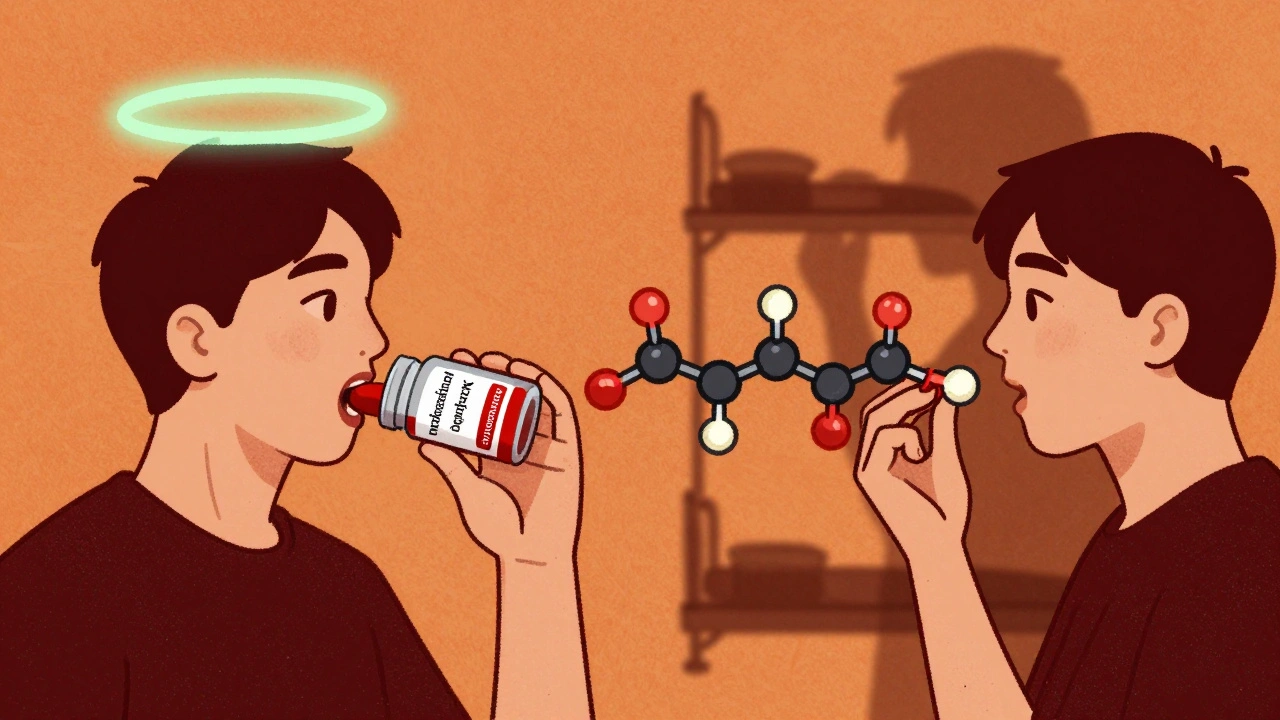
Red yeast rice contains the same active ingredient as statins, making it dangerous to take both together. Learn why combining them raises your risk of muscle damage and how to safely use red yeast rice-or avoid it altogether.
view more