
When you hear brand-name medication, a drug sold under a proprietary name by the original manufacturer, often protected by patents. Also known as innovator drug, it's the version you see advertised on TV—usually expensive, sometimes essential. These are the pills your doctor first prescribes before generics become available. But here’s the thing: just because it’s branded doesn’t mean it’s better. The active ingredient is identical to the generic. So why pay three, five, even ten times more?
The answer lies in patents, marketing, and how the U.S. drug pricing system works. Companies spend millions developing a drug and then protect their profits with patents that block generics for 10–15 years. Once those expire, generics flood the market—and prices drop fast. But here’s where it gets messy: even after generics exist, some patients still get the brand version because their insurance pushes it, or their doctor assumes it’s necessary. That’s not always true. For most drugs, generics work just as well. But for some—like levothyroxine, a thyroid hormone replacement where tiny differences in absorption can cause big health shifts—switching can trigger side effects. That’s why some people feel worse after a switch, even if the FDA says they’re bioequivalent.
And then there’s the cost trap. Many patients think insurance covers brand-name drugs better, but that’s often backwards. Thanks to pharmacy benefit managers, middlemen who negotiate drug prices between insurers and pharmacies, you might pay more with insurance than if you paid cash. Some plans even have accumulator programs that don’t count manufacturer coupons toward your deductible, making the discount useless. That’s why knowing how to use manufacturer savings programs, direct discounts from drug companies for brand-name drugs can save you hundreds a month—if you know how to enroll and avoid the traps.
Brand-name medication isn’t bad. Sometimes it’s the only option. But it shouldn’t be your default. Whether you’re dealing with high blood pressure, cholesterol, depression, or chronic pain, there’s almost always a smarter way to get the medicine you need without overpaying. Below, you’ll find real stories and practical guides on when to stick with brand, when to switch, how to get discounts, and what to do when your insurance won’t cover what you need. No fluff. Just what works.
Posted by Patrick Hathaway with 12 comment(s)
Dec
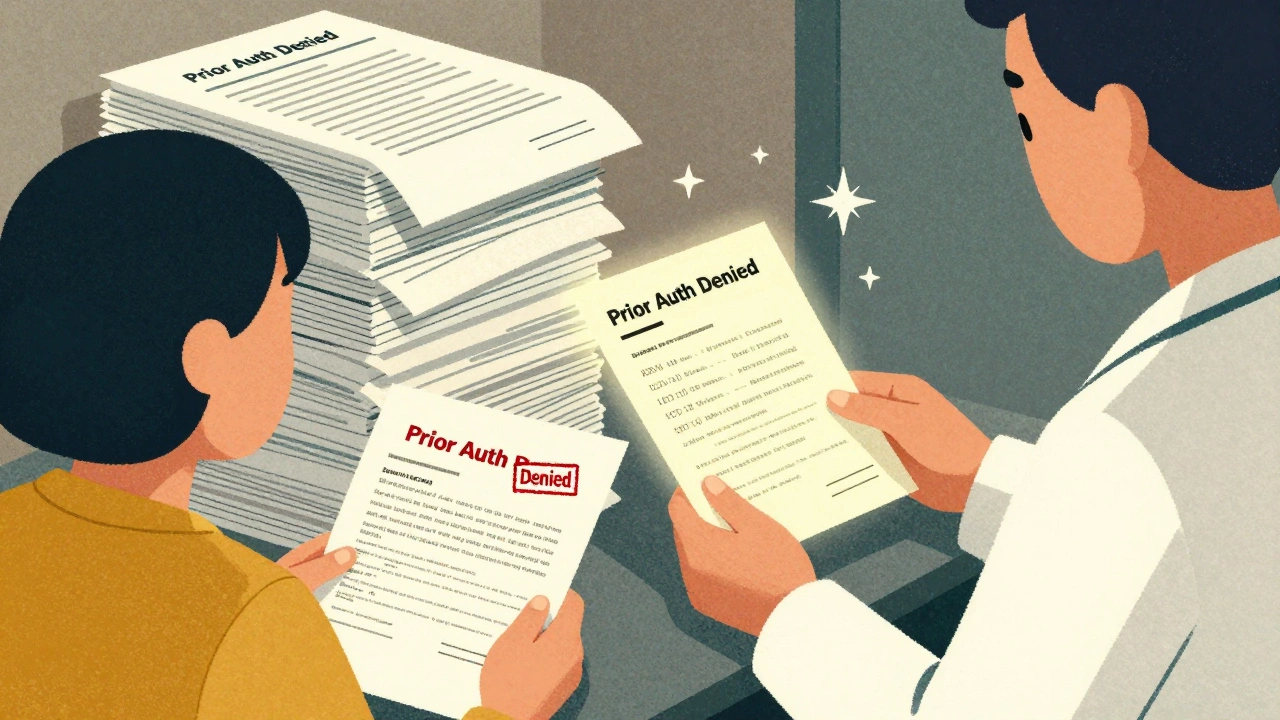
Learn how to successfully appeal an insurance denial for a brand-name medication with step-by-step guidance, real success rates, and what to do when generics don't work. Know your rights, document everything, and win your case.
view more