
When you're going through chemotherapy, a medical treatment that uses drugs to kill cancer cells but also affects healthy tissues. Also known as chemo, it puts serious stress on your body—not just your cancer cells, but your muscles, immune system, and energy levels. Many patients focus on getting through treatments, but what you eat between doses can make a huge difference in how you feel, how fast you recover, and whether you lose muscle or strength. Protein intake during chemotherapy, the amount and quality of protein consumed daily to support tissue repair and immune function during cancer treatment isn’t just a suggestion—it’s a survival tool.
Your body doesn’t just need calories during chemo. It needs muscle preservation, the process of maintaining lean body mass despite illness or treatment-induced catabolism. Chemotherapy can trigger muscle breakdown, especially if you’re nauseous, tired, or losing your appetite. Without enough protein, you’ll lose strength, move slower, get infections more easily, and take longer to recover between cycles. Studies show that cancer patients who hit their daily protein targets report less fatigue, fewer hospital visits, and better treatment tolerance. That’s not luck—it’s nutrition. And it’s not about eating huge steaks every day. It’s about smart, consistent choices: eggs at breakfast, Greek yogurt as a snack, lean chicken or tofu at lunch, and a protein shake if solid food feels overwhelming.
But here’s the catch: not all protein is equal. Whey, casein, soy, and pea proteins behave differently in your body. Some are easier to digest when your stomach is sensitive. Others help rebuild immune cells faster. And if you’re also on steroids—which many chemo patients are—you’re at higher risk for steroid myopathy, a condition where long-term steroid use causes painless muscle weakness. That’s when protein becomes even more critical. You’re fighting two enemies at once: cancer and muscle loss. You need enough protein to rebuild what chemo breaks down and what steroids erode.
And it’s not just about the amount. Timing matters too. Spreading protein across meals—even small ones—keeps your body in repair mode all day. A 20-gram scoop at breakfast, another at lunch, and a third at dinner adds up faster than you think. And if you can’t eat much? Liquid options like shakes, smoothies with peanut butter, or even fortified milk can be lifesavers. Don’t wait until you’re too weak to cook. Start now, even if it’s just one extra egg a day.
What you’ll find below are real, practical guides from people who’ve been there. From how to get protein when you can’t taste food, to what supplements actually help (and which ones don’t), to how to talk to your oncology dietitian without sounding like you’re arguing. These aren’t theory pieces. They’re battle-tested tips from patients, nurses, and nutrition specialists who know that when chemo hits, your plate is your first line of defense.
Posted by Ian Skaife with 10 comment(s)
Nov
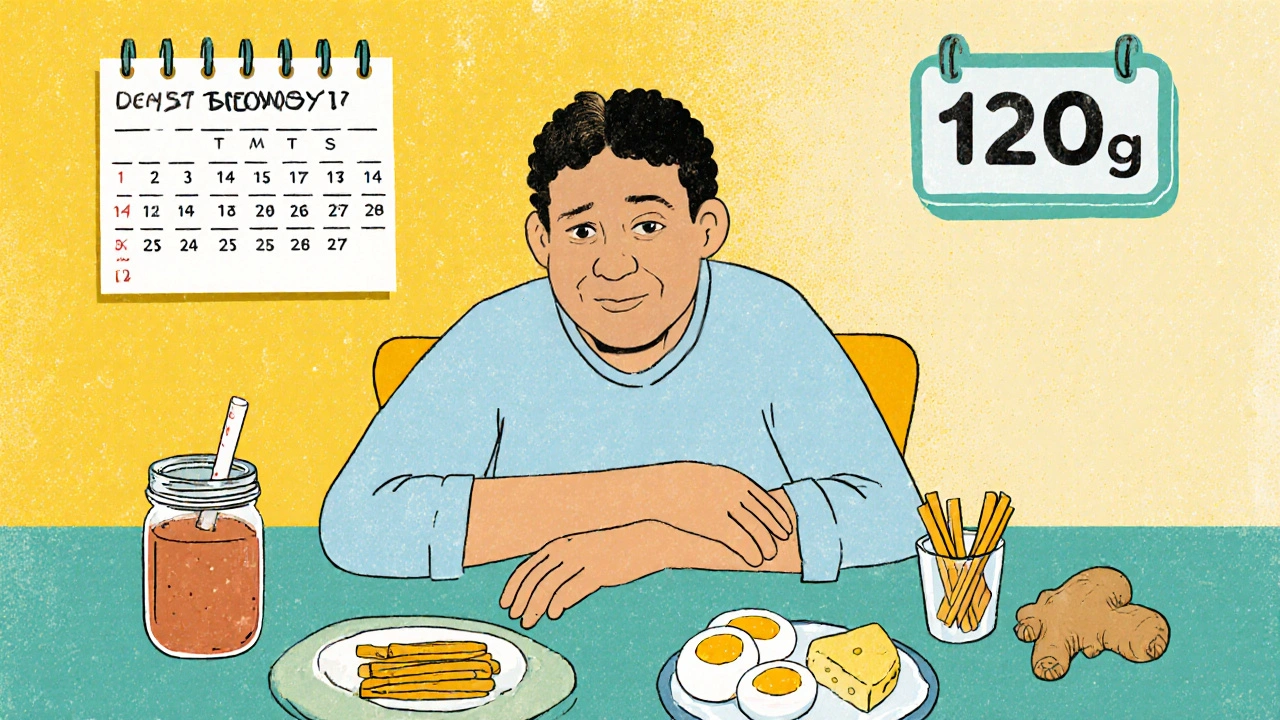
Learn how to manage nausea and prevent weight loss during chemotherapy with practical, science-backed nutrition tips. Discover protein needs, food safety rules, and real strategies that help patients stay strong through treatment.
view more