
When you wake up and check your morning blood sugar, the level of glucose in your blood after an overnight fast. Also known as fasting blood glucose, it tells you how well your body handled sugar while you slept. If it’s higher than it should be, it’s not just a number—it’s a signal. Maybe your liver is releasing too much glucose. Maybe your body isn’t responding to insulin like it should. Or maybe you ate something late that spiked your sugar and never came down.
This isn’t just about diabetes. Even if you don’t have a diagnosis, consistently high morning blood sugar can point to insulin resistance, a condition where cells stop responding well to insulin, which often leads to prediabetes, a warning stage before type 2 diabetes. And it’s more common than you think. Studies show nearly 1 in 3 adults in the U.S. have prediabetes, and most don’t know it. The good news? You can reverse it—with the right changes.
What you eat the night before matters. So does sleep. Stress hormones like cortisol rise naturally in the early morning, which can push sugar levels up—even if you didn’t eat anything. That’s called the dawn phenomenon. But another common cause is the Somogyi effect: your blood sugar drops too low overnight, so your body overcompensates by flooding your system with glucose. Figuring out which one you’re dealing with takes tracking. Not guesswork. Real data.
You’ll find posts here that break down exactly how to test your morning sugar properly, what foods help or hurt, and how sleep, medication, and even your bedtime routine play a role. Some people see big drops just by moving after dinner. Others need to adjust their meds. A few find their sugar spikes are tied to stress, not food. There’s no one-size-fits-all fix, but there are proven paths—and we’ve gathered the most useful ones here.
These aren’t theory-heavy articles. They’re real, practical guides from people who’ve been there: how to interpret your meter readings, what supplements actually help (and which ones don’t), how to talk to your doctor about testing, and what to do when your sugar stays high even after doing everything right. You’ll learn what works for others—and how to adapt it to your own life.
Posted by Ian Skaife with 15 comment(s)
Nov
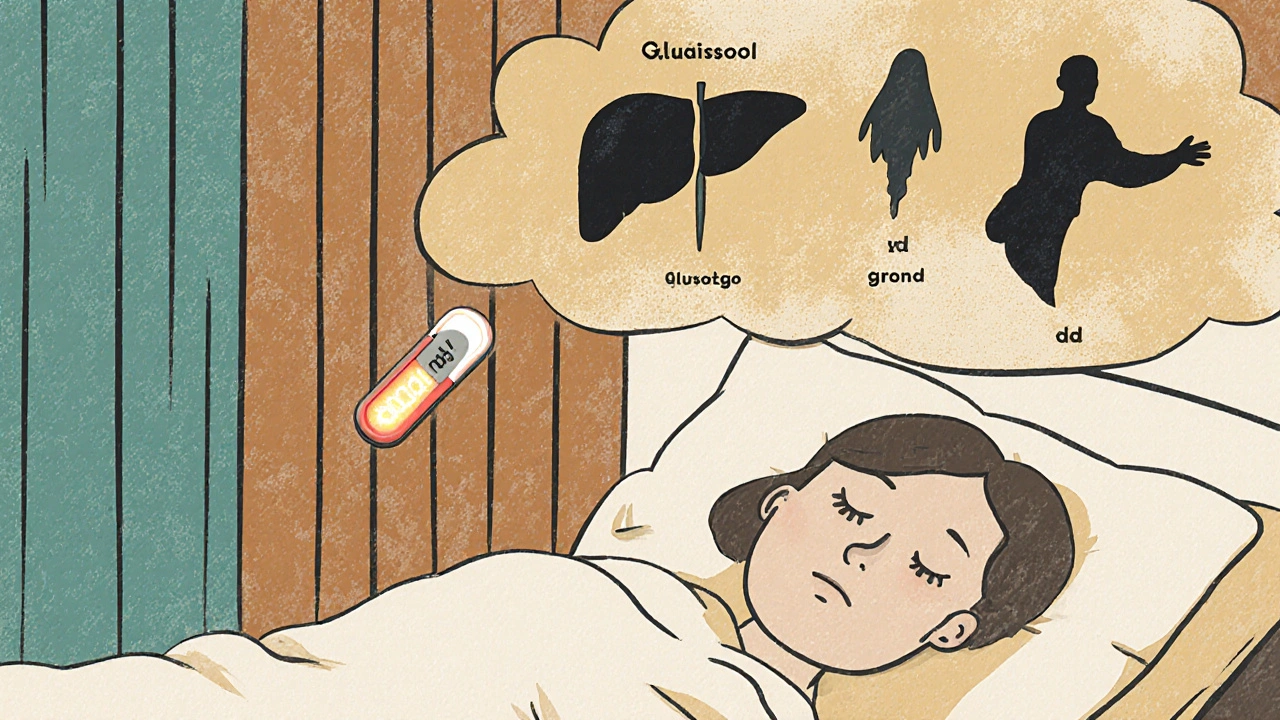
Learn why your blood sugar spikes in the morning, how to tell if it's the dawn phenomenon or something else, and what actually works to manage it-backed by science and real patient results.
view more