
When you hear medication equivalence, the point at which two drugs produce the same effect in the body, regardless of brand or generic status. Also known as bioequivalence, it's the invisible rule that tells pharmacies and doctors it's safe to swap one pill for another. But here’s the catch: not all swaps are equal. For most people, a generic version of a blood pressure pill or an antibiotic works just fine. But for others—especially those on drugs with a narrow therapeutic index, medications where even tiny differences in dosage can cause serious harm or fail to work—that small change can mean the difference between feeling better and ending up in the hospital.
Think of generic medications, lower-cost versions of brand-name drugs that contain the same active ingredient like different brands of battery. Most of the time, they power your device just as well. But if you’re using that battery in a pacemaker or a seizure monitor, you don’t want a weak or inconsistent charge. That’s why drugs like levothyroxine, warfarin, or certain anti-seizure medications are tricky. Even a 5% difference in how your body absorbs the drug can throw off your entire treatment. That’s not a myth—it’s why some patients report feeling worse after switching to a generic, even when the label says it’s identical. The FDA requires generics to be within 80–125% of the brand’s absorption rate, but that range is wide enough to matter for sensitive cases.
And it’s not just about the pill itself. drug interactions, how one medication changes the way another works in your body can make equivalence even more complicated. Take red yeast rice—it’s sold as a natural cholesterol aid, but it contains the same compound as statins. Take it with a statin, and you’re doubling your dose without knowing it. That’s not equivalence—it’s risk. Same goes for mixing blood thinners with NSAIDs, or birth control with certain antibiotics. These aren’t edge cases. They’re common mistakes that happen because people assume "same ingredient = same effect." But your body doesn’t care about labels. It cares about how much gets in, how fast, and what else it’s dealing with.
So what does this mean for you? If you’ve ever felt off after switching pills—even if your doctor said it was fine—you’re not imagining it. Your experience matters. And if you’re on a drug with a narrow therapeutic index, ask your pharmacist: "Is this generic the same one I was on before?" Because even different generic brands can vary in how they’re made. You don’t need to panic. But you do need to pay attention. The posts below dig into real stories, real science, and real mistakes people make when they assume all pills with the same name are the same. You’ll find out why some people react badly to generics, how liver and kidney changes affect drug absorption as you age, and what to do if your medication suddenly stops working. This isn’t about fear. It’s about control. Know what you’re taking. Know why it matters. And don’t let a label tell you everything.”
Posted by Patrick Hathaway with 10 comment(s)
Dec
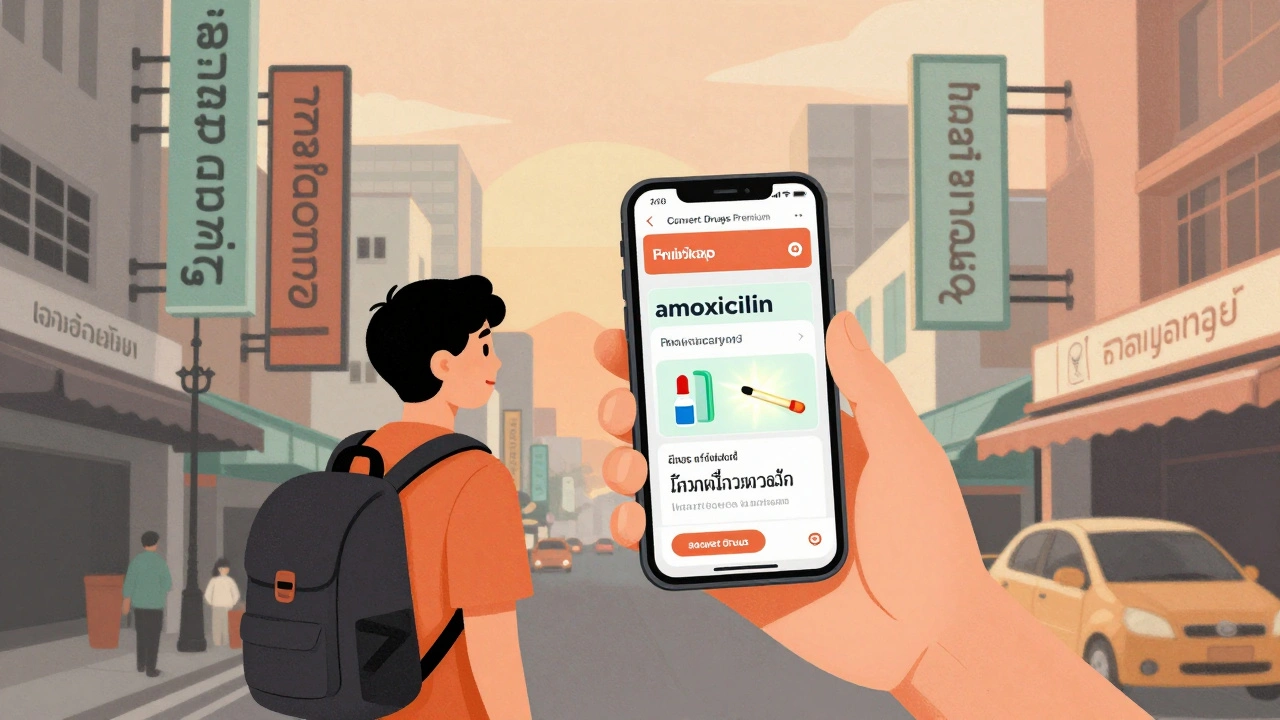
Learn how to use travel apps to find pharmacies and clinics abroad, translate medications, and connect with doctors overseas. Essential tools for safe, stress-free international travel.
view more