
When you're going through chemotherapy, a powerful cancer treatment that targets fast-growing cells but often hits the digestive system hard. Also known as chemo, it’s life-saving—but for many, the side effect that feels worst is nausea. You’re not alone. Up to 80% of people on chemo report nausea, and it’s not just a quick wave of queasiness. It can stick around for days, wreck your appetite, and make it hard to sleep or even get out of bed. The good news? You don’t have to just suffer through it. There are real, proven ways to manage nausea during chemo—and they start with knowing what works, what doesn’t, and when to ask for help.
It’s not just about popping a pill. anti-nausea meds, drugs like ondansetron, aprepitant, or metoclopramide designed to block the brain’s vomiting center. Also known as antiemetics, they come in pills, shots, patches, and even suppositories—and timing matters. Some need to be taken before chemo even starts. Others work best when nausea hits hard. And not all meds work the same for everyone. If one doesn’t help, it’s not you—it’s the match. Your doctor can swap it out. Then there’s the stuff you can do yourself: ginger chews, small frequent meals, avoiding strong smells, and staying hydrated with ice chips or electrolyte sips. Even deep breathing or guided audio apps can quiet the nausea signal in your brain. These aren’t just "home remedies"—they’re backed by studies showing real reduction in symptoms when used with meds.
Some people think nausea is just part of the deal, something you have to grin and bear. But that’s not true. If your nausea is so bad you’re skipping meals, losing weight, or feeling dizzy, it’s not normal—it’s a sign you need a new plan. Talk to your oncology team before it gets worse. They can adjust your chemo schedule, add a different anti-nausea drug, or even connect you with a specialist in cancer symptom control. You’re not just fighting cancer—you’re fighting for your quality of life. And that includes being able to eat, laugh, and rest without your stomach taking over.
Below, you’ll find real guides from people who’ve been there—on how to spot early signs of nausea getting out of hand, which meds actually help without causing drowsiness, what to do when you can’t keep anything down, and how to talk to your doctor without sounding like you’re complaining. These aren’t just tips. They’re tools.
Posted by Ian Skaife with 10 comment(s)
Nov
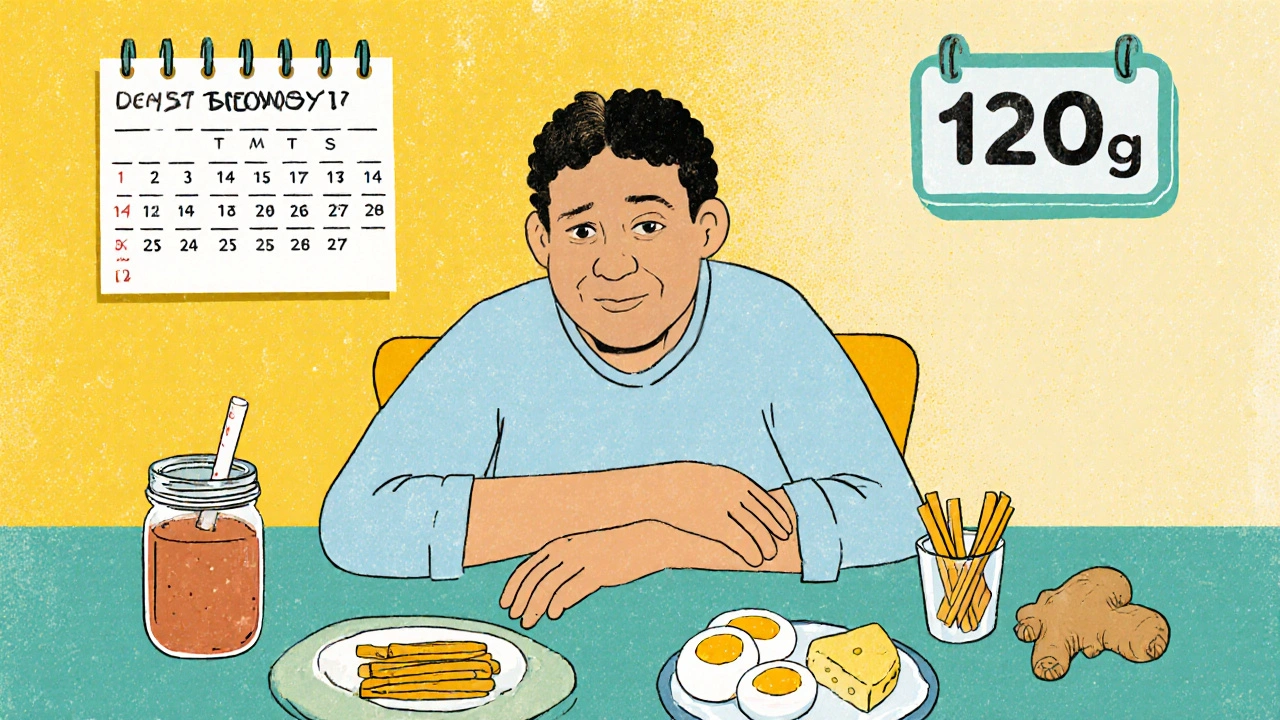
Learn how to manage nausea and prevent weight loss during chemotherapy with practical, science-backed nutrition tips. Discover protein needs, food safety rules, and real strategies that help patients stay strong through treatment.
view more