
When your pharmacy says your prescription is out of stock, it’s not just bad luck — it’s often part of a larger system tracked by the FDA Drug Shortage Database, a public record maintained by the U.S. Food and Drug Administration that lists medications in short supply across the country. Also known as the Drug Shortage Database, it’s updated weekly and includes everything from antibiotics and insulin to chemotherapy drugs and blood pressure pills. This isn’t a list of rare or niche meds — it’s the stuff millions of people rely on every day.
The FDA doesn’t cause these shortages, but it’s the only place that tracks them officially. Shortages happen because of manufacturing problems, raw material delays, quality control failures, or companies deciding it’s not profitable to keep making a low-cost generic. A single factory shutdown can ripple through the whole system. In 2023, over 300 drugs were listed as in shortage — including common ones like metformin, amoxicillin, and levothyroxine. These aren’t theoretical risks. People have waited weeks for insulin. Cancer patients have had to delay treatment. Elderly patients switched to less effective alternatives because their usual pill wasn’t available.
The database doesn’t just list what’s missing — it shows why, how long it might last, and if there’s an approved substitute. That’s why doctors and pharmacists check it before writing prescriptions. But patients should too. If you take a medication that’s been on the list for months, you’re not imagining things. You’re part of a growing pattern. The FDA also works with manufacturers to speed up approvals for new sources, but that takes time. Meanwhile, pharmacies are forced to ration, rotate brands, or suggest alternatives — some of which come with different side effects or dosing rules.
What you’ll find in the posts below aren’t just stories about running out of pills. They’re real-world examples of how drug shortages connect to bigger issues: why generic prices jump when supply drops, how insurers shift coverage during shortages, and what you can do if your medication suddenly disappears. You’ll read about how steroid myopathy patients manage when their corticosteroids are delayed, how chemotherapy patients cope when key drugs aren’t available, and why blood thinner interactions become riskier when alternatives are scarce. These aren’t isolated problems — they’re symptoms of a fragile system. And the FDA Drug Shortage Database is the only public map we have to navigate it.
Posted by Patrick Hathaway with 12 comment(s)
Nov
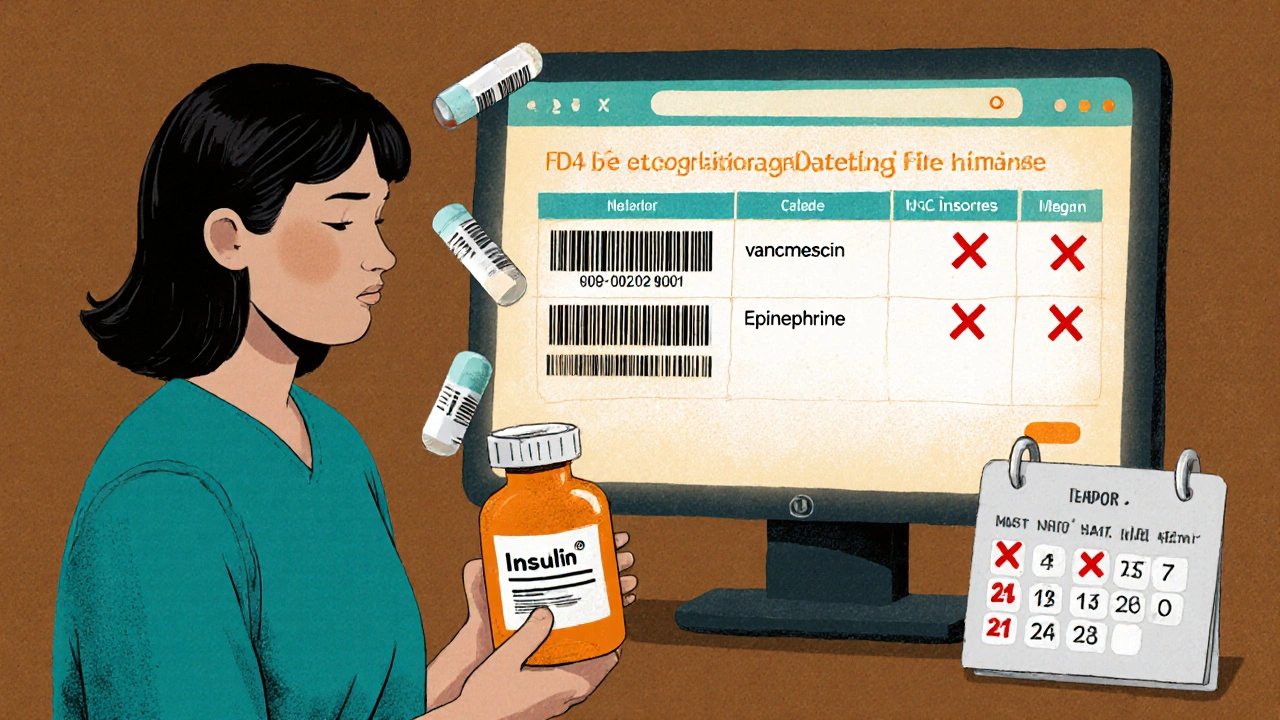
Learn how to use the FDA's official Drug Shortage Database to check if your medication is in short supply, why it's unavailable, and when it might return. Get step-by-step guidance for patients and providers.
view more