
When you walk into a doctor’s office, you’re not just there for a quick checkup—you’re there to protect your health. A doctor appointment checklist, a simple but powerful tool to prepare for medical visits. Also known as a pre-visit plan, it turns confusion into control. Most people forget half of what they want to say. By the time the doctor walks in, they’re already stressed, rushed, and stuck repeating the same thing. That’s why a checklist isn’t just helpful—it’s necessary.
You don’t need to be a medical expert to use one. Just gather what you actually use: a medication list, a current record of all pills, doses, and reasons you take them, including vitamins and supplements. Many patients don’t realize that over-the-counter painkillers or herbal teas can interfere with prescriptions. The FDA drug shortage database might tell you if your pill is unavailable, but your medication list tells your doctor if you’re taking something dangerous with it. Then there’s the symptom tracker, a daily log of when pain, fatigue, or nausea happens, how bad it is, and what makes it better or worse. This isn’t fluff—it’s data. Doctors see hundreds of patients. Your notes help them see you.
Don’t forget your medical records, past test results, imaging reports, or hospital discharge summaries. If you had a liver enzyme test last year because of a medication reaction, or if your kidney function dropped after starting a new drug, that’s critical. You can’t expect your doctor to remember everything, especially if you’ve seen multiple providers. Bring a printed copy or a clear screenshot from your patient portal. And while you’re at it, write down your top three questions. Is that new dizziness from the blood pressure pill? Why does your cholesterol keep rising even though you’re eating clean? Did that rash mean you’re allergic to something you’ve taken for years? These aren’t just questions—they’re lifesavers.
Some people skip the checklist because they think their doctor will figure it out. But doctors are overwhelmed. They have 15 minutes. If you don’t hand them the facts, they’ll guess—and guesses can lead to wrong prescriptions, missed diagnoses, or unnecessary tests. The posts below cover exactly what happens when people skip this step: someone stops a medication too soon because they didn’t track side effects, another gets hit with a drug interaction because their meds weren’t listed, and someone else waits months to find out their morning blood sugar spike is the dawn phenomenon because they never mentioned it.
There’s no magic here. Just preparation. You don’t need fancy apps or expensive tools. A notebook, a phone note, or even a printed template works. The goal isn’t perfection—it’s presence. Walk in with your list, ask your questions, and leave knowing you didn’t miss something important. What you find below are real stories from people who learned the hard way—and how you can avoid their mistakes.
Posted by Patrick Hathaway with 15 comment(s)
Nov
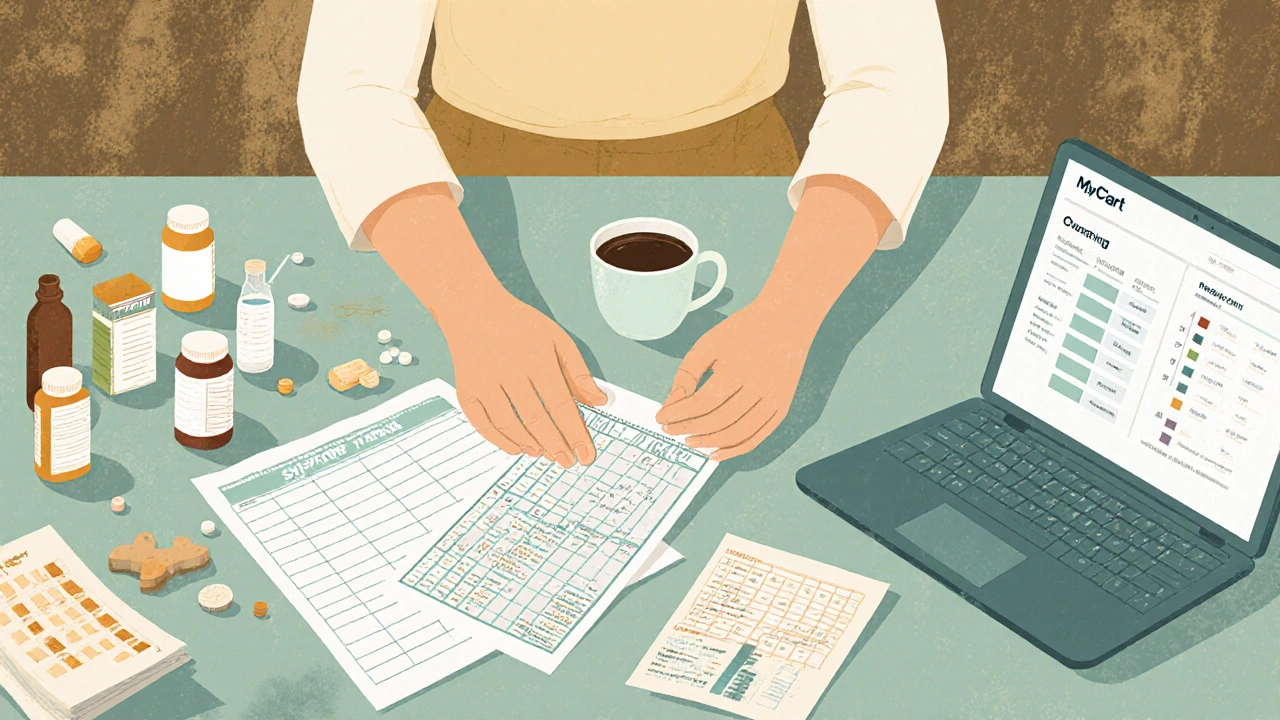
Learn exactly what to bring and discuss at your doctor appointment to get better care, avoid errors, and save time. Essential checklist based on top U.S. medical institutions.
view more