
When your blood sugar rises in the early morning—despite not eating anything—you're likely dealing with the dawn phenomenon, a natural surge of hormones that triggers the liver to release glucose. Also known as the dawn effect, it’s not a mistake or a failure of your diabetes management—it’s a biological process that affects up to 75% of people with type 1 and type 2 diabetes. This isn’t caused by eating late or skipping insulin. It’s your body’s built-in alarm clock: between 3 a.m. and 8 a.m., hormones like cortisol and growth hormone kick in to prepare you for the day. For people without diabetes, insulin naturally rises to balance this out. But if your body can’t produce enough insulin—or if you’re resistant to it—your blood sugar climbs instead.
Many confuse the dawn phenomenon with the Somogyi effect, a rebound high caused by overnight low blood sugar. The key difference? With the Somogyi effect, your blood sugar drops too low in the middle of the night, then your body overcompensates by releasing stress hormones and glucose. With the dawn phenomenon, your levels stay steady or rise slowly all night—no low to trigger it. You can tell them apart by checking your blood sugar at 2 a.m. or 3 a.m. If it’s low, it’s Somogyi. If it’s normal or rising, it’s the dawn phenomenon.
Managing this isn’t about cutting carbs at dinner or skipping insulin. It’s about timing, dosing, and understanding how your body responds. Some people benefit from shifting their long-acting insulin dose to bedtime, while others need a small dose of rapid-acting insulin just before bed. Newer insulin pumps can be programmed to deliver extra insulin during those early hours. Even small changes—like avoiding late-night snacks high in carbs or getting consistent sleep—can make a difference. The goal isn’t perfection. It’s control. And if you’re seeing the same high numbers every morning, you’re not alone. Many people with diabetes struggle with this exact issue.
Below, you’ll find real-world advice from people who’ve dealt with this, plus guides on insulin timing, blood sugar tracking, and how to talk to your doctor about adjusting your treatment. No fluff. No guesswork. Just what works.
Posted by Ian Skaife with 15 comment(s)
Nov
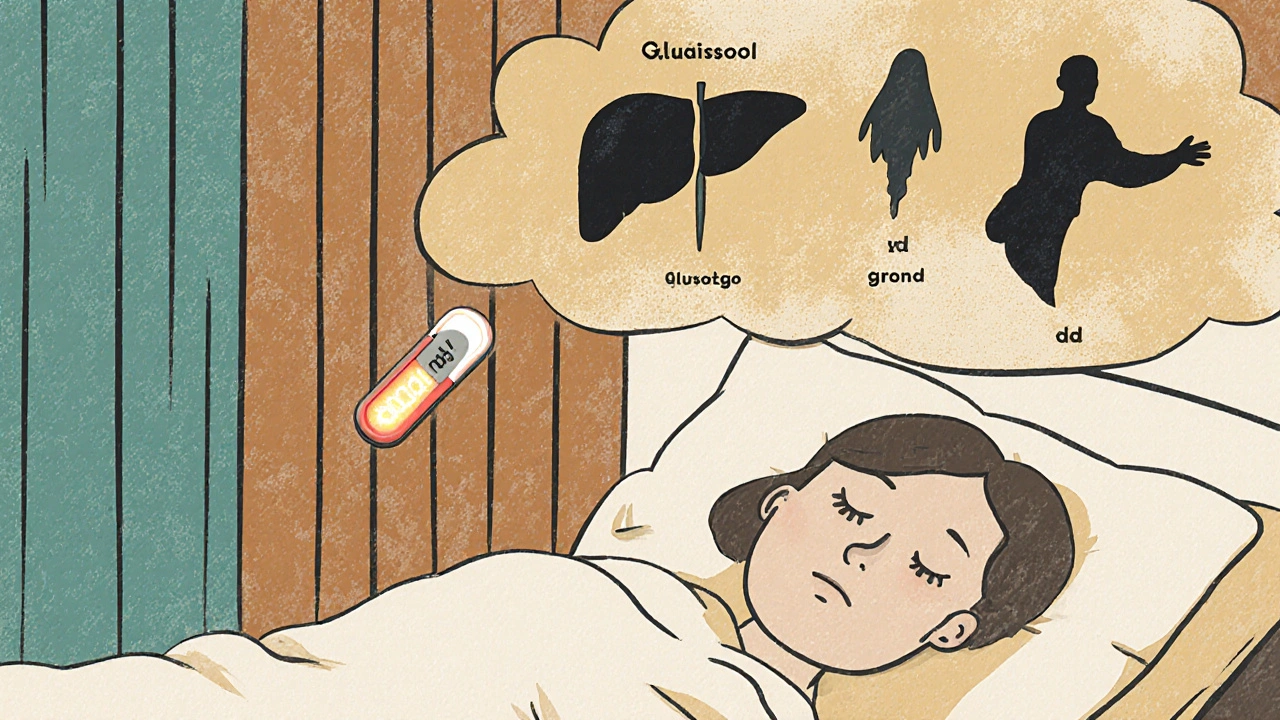
Learn why your blood sugar spikes in the morning, how to tell if it's the dawn phenomenon or something else, and what actually works to manage it-backed by science and real patient results.
view more