
When your body overreacts to something harmless—like peanuts, bee stings, or certain medications—it can trigger a severe, sudden response called anaphylaxis, a rapid, life-threatening allergic reaction that affects multiple body systems. Also known as anaphylactic shock, it can shut down breathing, drop blood pressure, and cause loss of consciousness within minutes. This isn’t just a bad rash or upset stomach. It’s a medical emergency that kills about 1,500 people in the U.S. every year, many of them because help came too late.
What causes it? The most common triggers are food allergens, like peanuts, tree nuts, shellfish, milk, and eggs, followed by insect stings, especially from bees, wasps, and fire ants, and medications, including antibiotics like penicillin and NSAIDs like ibuprofen. Even latex and exercise in rare cases can set it off. The key is that your immune system mistakes these for invaders and floods your body with chemicals—mostly histamine—that cause swelling, hives, wheezing, vomiting, and a dangerous drop in blood pressure.
Time is everything. If you or someone else starts showing signs—swelling of the lips or throat, trouble breathing, dizziness, rapid pulse, or sudden nausea—use an epinephrine auto-injector, a handheld device that delivers a life-saving dose of adrenaline right away. Don’t wait. Don’t hope it gets better. Epinephrine works fast to reverse the reaction, but it’s only the first step. You still need to call 911 and get to a hospital. Many people who survive anaphylaxis are saved because someone acted before panic set in.
People with known allergies often carry epinephrine, but not everyone does. Some don’t realize how serious their allergy is. Others forget to refill their prescription. And some reactions happen for the first time without warning. That’s why knowing the signs matters—not just for you, but for friends, coworkers, teachers, and family. If you’ve had even a mild reaction before, talk to your doctor about getting tested and carrying an injector.
The posts below cover real-world situations where anaphylaxis intersects with everyday health decisions: how certain drugs can trigger it, why some people react more strongly than others, what to bring to the ER, how to avoid dangerous combinations like NSAIDs with blood thinners, and how to prepare for doctor visits so you don’t miss critical allergy history. You’ll find practical advice from people who’ve lived through it, and the science behind why epinephrine is the only thing that truly stops it in its tracks.
Posted by Ian Skaife with 8 comment(s)
Nov
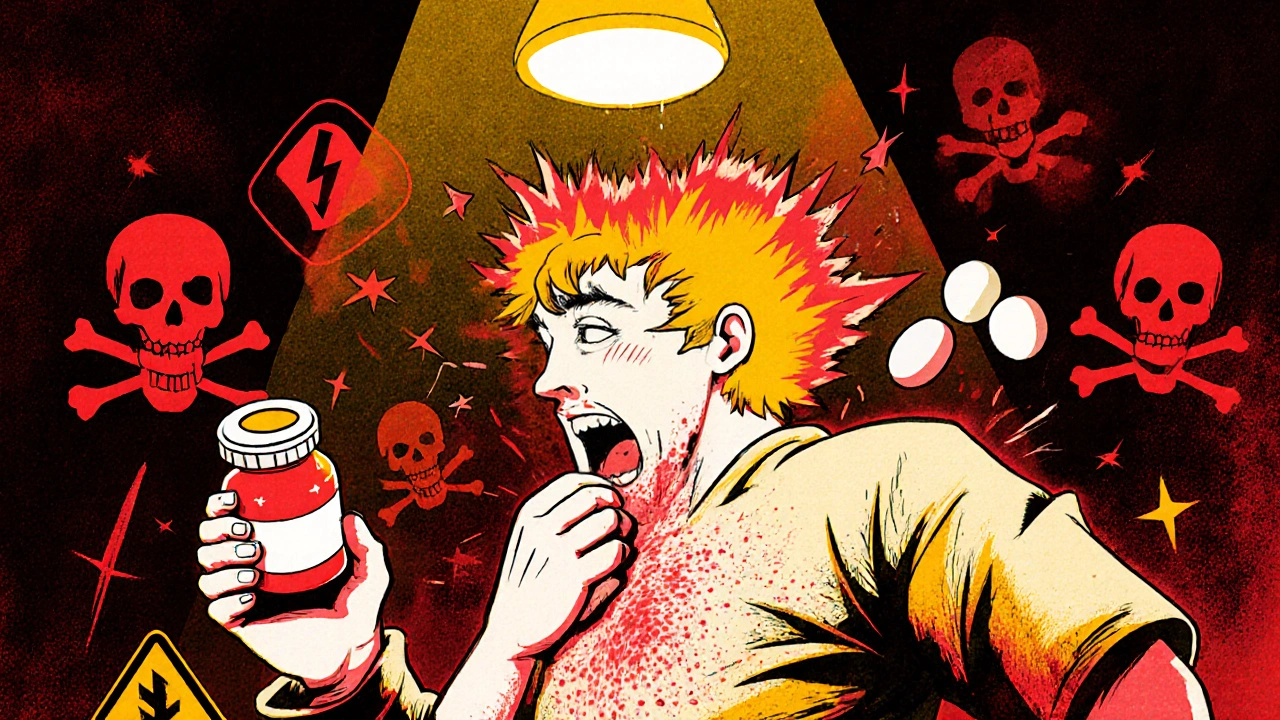
Some side effects mean you must stop a medication right away - like anaphylaxis or liver damage. Others are harmless or manageable. Knowing the difference can save your life. Here’s what to watch for and what to do.
view more