
Most people assume that if their nose is runny or stuffy all year long, it must be allergies. But what if you’ve been tested for pollen, dust mites, and pet dander-and everything came back negative? You’re not alone. Around 17-23% of adults in Western countries suffer from nonallergic rhinitis, a condition that mimics allergies but has no immune system involvement. It doesn’t show up on skin tests. It doesn’t respond to antihistamines the way allergies do. And it’s often misdiagnosed-or worse, ignored.
What Exactly Is Nonallergic Rhinitis?
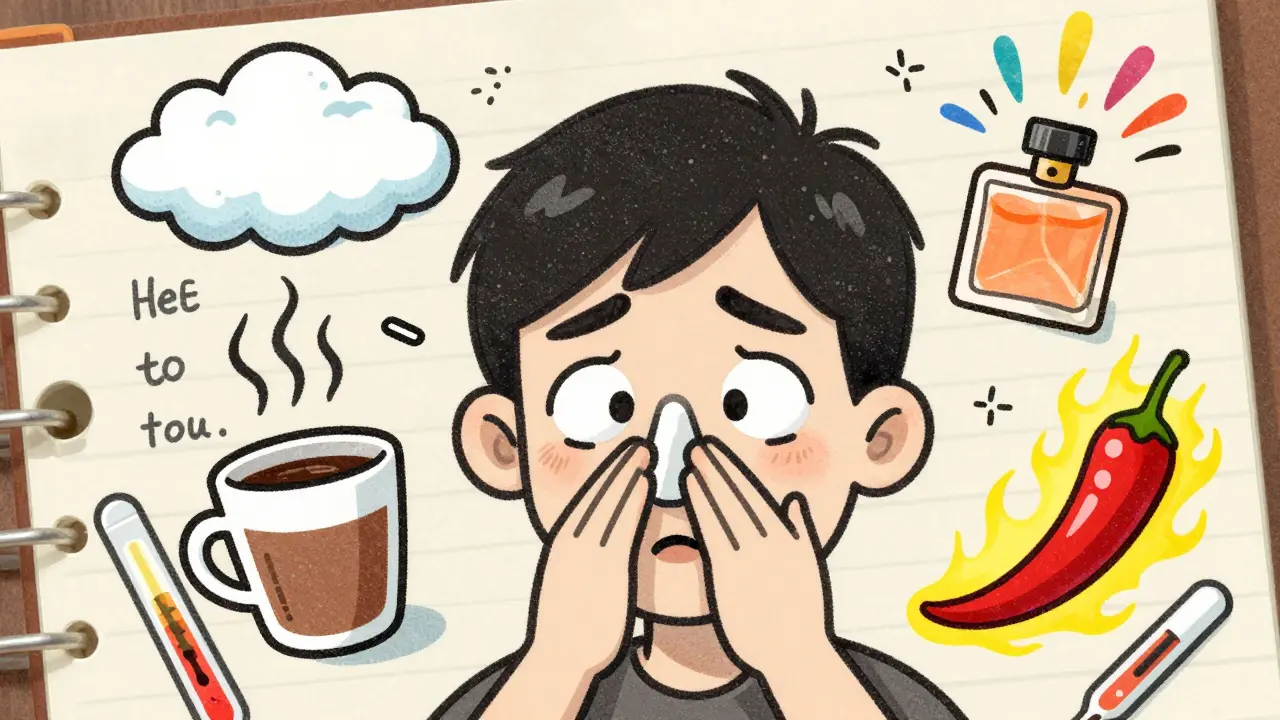
Nonallergic rhinitis is chronic inflammation of the nasal lining that isn’t caused by allergens. Symptoms include a runny nose, nasal congestion, postnasal drip, and sneezing-exactly like allergic rhinitis. But here’s the key difference: no IgE antibodies are involved. No histamine surge. No immune system overreaction. Instead, the problem lies in how your nasal nerves and blood vessels respond to everyday triggers. The most common subtype is vasomotor rhinitis, making up 60-70% of cases. It’s not about being allergic to something-it’s about your nose being hypersensitive. Think of it like a faulty thermostat. Your nasal blood vessels swell too easily when exposed to cold air, strong smells, or even changes in humidity. Research from the University of Florida Health shows that TRPV1 receptors, which sense heat and irritants, are overexpressed by over three times in people with this condition. That’s why a whiff of perfume or stepping outside on a chilly morning can send your nose into overdrive.What Triggers Nonallergic Rhinitis?
Unlike allergies, where triggers are predictable (like ragweed in fall), nonallergic rhinitis has a long list of sneaky irritants. Some are obvious. Others? You might not even realize they’re the culprit.- Environmental irritants: Tobacco smoke (as little as 0.05 mg/m³), perfume (0.1 ppm), paint fumes (50 ppm VOCs), and wildfire smoke (15 µg/m³ PM2.5) can all set off symptoms. If your nose reacts to cleaning products or new carpet, it’s not just a bad smell-it’s a physiological trigger.
- Weather changes: A drop in temperature of just 5°C within an hour can trigger congestion. Humidity shifts over 20% or barometric pressure changes of 5 mmHg are enough to make your nose feel clogged. People in Brisbane often notice this during the transition from dry winter to humid summer.
- Food and drink: Spicy food? That’s capsaicin activating TRPV1 receptors. Alcohol? Blood alcohol levels above 0.02% can cause nasal swelling. Hot soup, curry, or even a glass of wine might be more than you bargained for.
- Medications: ACE inhibitors (used for high blood pressure) cause symptoms in 20% of users. Beta-blockers affect 15%. Even over-the-counter NSAIDs like ibuprofen can trigger rhinitis in 10-15% of sensitive people.
- Hormonal shifts: Pregnancy, puberty, and thyroid disorders can all cause nasal swelling. About 20-30% of pregnant women develop it, usually in the second trimester. It fades after delivery, but it’s real while it lasts.
- Occupational exposures: Flour dust (2 mg/m³), latex particles (2 µg/m³), or chemical vapors at work can cause rhinitis that worsens during the week and improves on weekends.
Why Diagnosis Is So Often Wrong
Here’s the hard truth: doctors misdiagnose nonallergic rhinitis as allergic rhinitis in 30-40% of cases. Why? Because the symptoms look identical. Patients are handed antihistamines and told to avoid pollen-when the real trigger is their morning coffee or the air conditioning blowing on them. The only way to confirm nonallergic rhinitis is by ruling out allergies. That means a negative skin prick test and normal serum IgE levels. Nasal cytology helps too-nonallergic rhinitis shows mostly neutrophils, not eosinophils. If your nasal secretions are full of eosinophils, that’s a different condition called NARES (nonallergic rhinitis with eosinophilia syndrome), which needs different treatment. A study from the American Rhinologic Society found that primary care physicians correctly identify nonallergic rhinitis in only 25-30% of cases. That means most people go years without the right diagnosis. On Reddit’s r/allergies, 78% of people with confirmed nonallergic rhinitis reported waiting over three years for the correct label. That’s three years of unnecessary medications, frustration, and wasted money.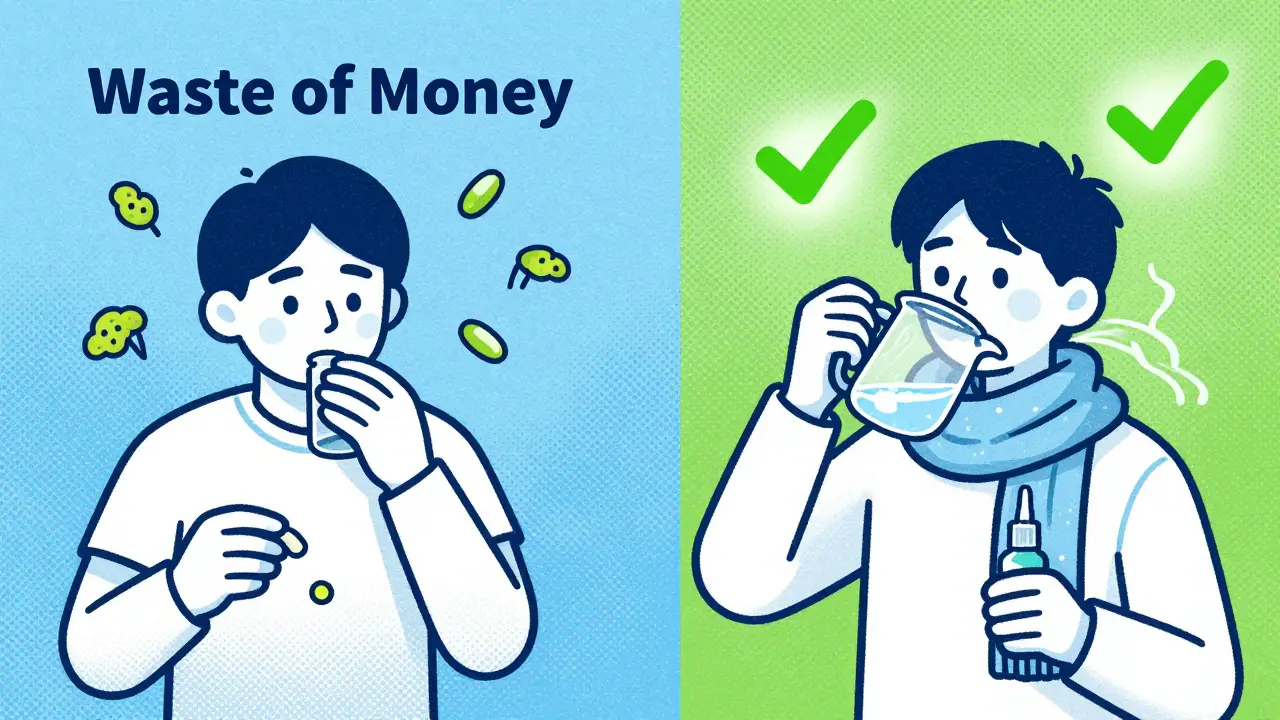
How to Manage It-Step by Step
There’s no cure, but there are proven ways to take control. Management is about reducing exposure, using targeted treatments, and avoiding the traps that make things worse.1. Avoid Your Triggers
This sounds simple, but it’s the most effective first step. Use a symptom diary for 4-6 weeks. Track:- Temperature and humidity (use a cheap indoor monitor)
- What you ate or drank
- Where you were (office, car, home)
- Any new products (laundry detergent, shampoo, air freshener)
2. Nasal Saline Irrigation
This is the most underrated tool. Rinsing your nasal passages with saline (either isotonic 0.9% or hypertonic 3%) flushes out irritants and soothes inflamed tissue. Studies show it helps 60-70% of people. Twice-daily use works better than once. Many users report improved sense of smell and less reliance on sprays. Don’t use tap water. Use distilled, boiled, or sterile water. Improper technique (like tilting your head the wrong way) can cause discomfort. A quick YouTube tutorial or demo from a pharmacist can save you weeks of frustration.3. Nasal Sprays That Actually Work
Not all nasal sprays are created equal. Here’s what works-and what doesn’t:- Intranasal corticosteroids (fluticasone, mometasone): These reduce inflammation and congestion. They take 2-4 weeks to work fully, but they’re the most effective long-term option for moderate to severe cases. Symptom reduction: 50-60%.
- Ipratropium bromide (Atrovent): This is the go-to for a runny nose. It blocks nerve signals that cause dripping. Works in 48 hours. Reduces rhinorrhea by 70-80%. It doesn’t help with congestion, but if your main problem is constant dripping, this is a game-changer. Many users rate it 4.2/5 on Drugs.com.
- Azelastine nasal spray: An antihistamine spray that helps a little (30-40% reduction), even though oral antihistamines don’t work for nonallergic rhinitis. It’s faster than steroids (1-2 hours) but can leave a bitter taste.
4. Avoid Decongestant Sprays
This is critical. Nasal decongestant sprays (oxymetazoline, phenylephrine) give quick relief-but they cause rebound congestion if used for more than 3-5 days. This is called rhinitis medicamentosa. It’s a vicious cycle: you spray to clear your nose, then your nose gets worse, so you spray more. The fix? Stop the spray and switch to a nasal steroid for 7-10 days. Mayo Clinic reports 85-90% of people recover with this approach.What’s on the Horizon
The future of treatment is looking promising. A new formulation of ipratropium bromide (0.03%) was approved in March 2023-it’s just as effective but causes fewer side effects. A novel drug called BCT-100, a TRPV1 antagonist, is under review by the EMA. Phase 2 trials showed 55% symptom reduction in severe cases. If approved, it could be the first treatment targeting the actual root cause instead of just symptoms. Pilot studies at Johns Hopkins are testing transnasal electrical stimulation to reset overactive nasal nerves. Early results show a 45% drop in symptoms. While still experimental, it points to a future where we treat the nervous system, not just the nose.
Real People, Real Results
On Facebook’s Nonallergic Rhinitis Support Group, one member wrote: “I used to carry 10 tissues everywhere. After starting saline rinses and ipratropium, I’m down to 2. I didn’t know my morning coffee was the problem.” Another said: “My doctor told me it was allergies. I spent $2,000 on allergy shots that did nothing. Then I found out it was nonallergic rhinitis. I wish I’d known sooner.” The common thread? Successful management isn’t about one magic pill. It’s about combining strategies: avoiding triggers, using saline, and picking the right nasal spray. Most people who stick with it see 50-70% improvement.When to See a Specialist
If you’ve had symptoms for more than three months and allergy tests are negative, it’s time to see an ENT or allergist who specializes in rhinitis. Ask for nasal endoscopy to rule out polyps or structural issues. Don’t settle for “it’s just allergies.” You deserve better. The economic burden is real-nonallergic rhinitis costs patients $1,250-$1,500 a year in treatments and lost productivity. But with the right approach, you can cut that down and reclaim your comfort.Is nonallergic rhinitis the same as allergies?
No. Allergies involve your immune system reacting to allergens like pollen or pet dander, releasing histamine. Nonallergic rhinitis has no immune involvement-it’s caused by overreactive nerves and blood vessels in your nose responding to irritants like cold air, smoke, or strong smells. Skin tests and blood tests for allergies will be negative.
Can antihistamines help nonallergic rhinitis?
Oral antihistamines like cetirizine or loratadine usually don’t help. They target histamine, which isn’t the main driver here. But nasal antihistamine sprays like azelastine can offer modest relief (30-40% symptom reduction) because they work directly on nasal tissue. Still, they’re not as effective as corticosteroids or ipratropium.
Why does my nose run when I eat spicy food?
Spicy foods contain capsaicin, which activates TRPV1 receptors in your nasal lining. These receptors are already oversensitive in nonallergic rhinitis, so they trigger a reflex that causes watery nasal discharge. It’s called gustatory rhinitis and affects up to 60% of people over 65. It’s harmless but annoying.
How long does it take for nasal steroids to work?
Nasal corticosteroids like fluticasone take 2-4 weeks to reach full effect. Don’t stop using them after a few days if you don’t feel better. Consistency matters. Many people give up too soon and miss out on the benefits. Use them daily, even if you feel fine.
Can pregnancy cause nonallergic rhinitis?
Yes. Hormonal changes during pregnancy, especially increased estrogen, cause nasal blood vessels to swell. About 20-30% of pregnant women develop it, usually in the second trimester. It’s called pregnancy rhinitis and typically resolves within two weeks after delivery. It’s not dangerous but can be uncomfortable.
Is there a cure for nonallergic rhinitis?
There’s no cure yet, but it’s highly manageable. Most people achieve significant symptom control with trigger avoidance, saline rinses, and targeted nasal sprays. Emerging therapies like TRPV1 blockers and nerve stimulation are in development and could offer more effective long-term solutions in the next few years.
Can I use decongestant sprays if I have nonallergic rhinitis?
Avoid them unless it’s a short-term emergency. Decongestant sprays like oxymetazoline cause rebound congestion if used for more than 3-5 days. This leads to rhinitis medicamentosa, where your nose becomes dependent on the spray. If you’ve been using them long-term, stop gradually and switch to a nasal steroid under medical supervision.
Comments
Matt W
Been dealing with this for years. Tried every antihistamine under the sun. Zero help. Then I started saline rinses and switched to fragrance-free laundry soap. My nose stopped acting like a broken faucet. No joke, life-changing.
February 1, 2026 AT 14:04
Solomon Ahonsi
Wow. Another long-ass article telling me what I already know. You didn’t mention that your doctor probably didn’t even test you properly. Most GPs just hand you Claritin and call it a day. Lazy as hell.
February 2, 2026 AT 12:09
Anthony Massirman
Saline rinse + ipratropium = my new BFFs. No more sneezing at coffee. Also, stop using decongestant sprays. You’re not helping.
February 4, 2026 AT 11:55
Akhona Myeki
In South Africa, we don’t have this problem because we don’t live in climate-controlled plastic boxes. Your modern lifestyles are weakening your biology. Go outside. Breathe real air. Problem solved.
February 5, 2026 AT 18:23
George Firican
It’s fascinating how our nervous system can become so hypersensitive to environmental stimuli without any immune involvement. The TRPV1 receptor overexpression is particularly compelling-it suggests a neurogenic origin rather than a purely inflammatory one. This isn’t just ‘bad allergies,’ it’s a dysregulation of autonomic signaling, almost like a misfiring thermostat in a house built with outdated wiring. And yet, we treat it like a simple allergy, prescribing antihistamines like they’re candy. We’ve pathologized normal physiological responses to stimuli, and now we’re surprised when the treatment fails. The real tragedy isn’t the condition-it’s the medical system’s refusal to see beyond the textbook categories.
February 7, 2026 AT 06:22
Chinmoy Kumar
i tried the saline thing but i kept using tap water and it burned so bad lol. now i use boiled and cooled water and its way better. also spicy food is my enemy. curry = nose tsunami
February 8, 2026 AT 11:34
Sandeep Kumar
Why are we still talking about this like its new? This has been known since the 90s. Your doctor is just lazy. Get a proper ENT. Stop wasting time on Reddit.
February 9, 2026 AT 22:27
Gary Mitts
So let me get this straight… I spend $2000 on allergy shots… and the real problem was my morning latte? Thanks for the update, Captain Obvious.
February 11, 2026 AT 09:01
Bridget Molokomme
Gary, you’re not wrong. But also… you’re not wrong. We’ve all been there. The real villain? The medical-industrial complex that profits off misdiagnosis. And now we’re all just trying to survive the aftermath.
February 11, 2026 AT 10:03
clarissa sulio
My OB-GYN told me my runny nose during pregnancy was ‘just hormones.’ I thought she meant I was being dramatic. Turns out, I had nonallergic rhinitis. Took me 8 months to find out. Now I use saline twice a day and it’s a miracle. Thank you for writing this.
February 12, 2026 AT 13:44