
Medication Risk Assessment Tool
How This Tool Works
This tool calculates your risk of drug-induced arrhythmias based on the medications you take, your age, electrolyte levels, and other health factors mentioned in the article. The assessment helps identify potential risks so you can discuss them with your doctor.
More than 400 common medications can trigger dangerous heart rhythm problems - and many people have no idea they’re at risk. It’s not just about heart pills. Your allergy medicine, antibiotic, antidepressant, or even a diabetes drug could be quietly messing with your heart’s electrical system. The result? Palpitations, dizziness, fainting, or worse. These aren’t rare side effects. They’re a leading cause of medication-related hospitalizations, with over 100,000 cases each year in the U.S. alone. The good news? Most of these events are preventable if you know what to watch for and what to do next.
What Exactly Is a Drug-Induced Arrhythmia?
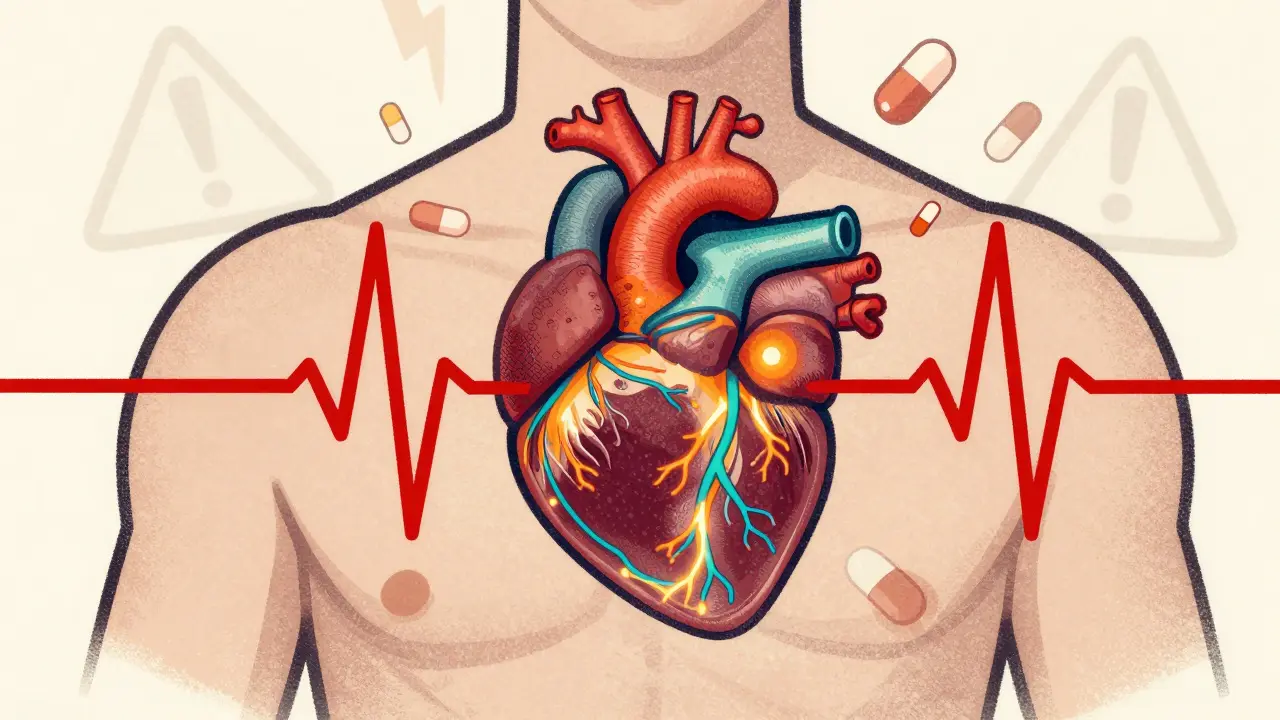
A drug-induced arrhythmia happens when a medication disrupts the heart’s natural electrical signals. Your heart beats because of tiny electrical impulses traveling through muscle cells. Certain drugs interfere with the ion channels that control these signals - especially those handling potassium, sodium, or calcium. When this happens, your heart can beat too fast, too slow, or irregularly. The most dangerous type is QT prolongation, where the heart takes longer than normal to recharge between beats. This sets the stage for a life-threatening rhythm called torsades de pointes, which can lead to sudden cardiac arrest.
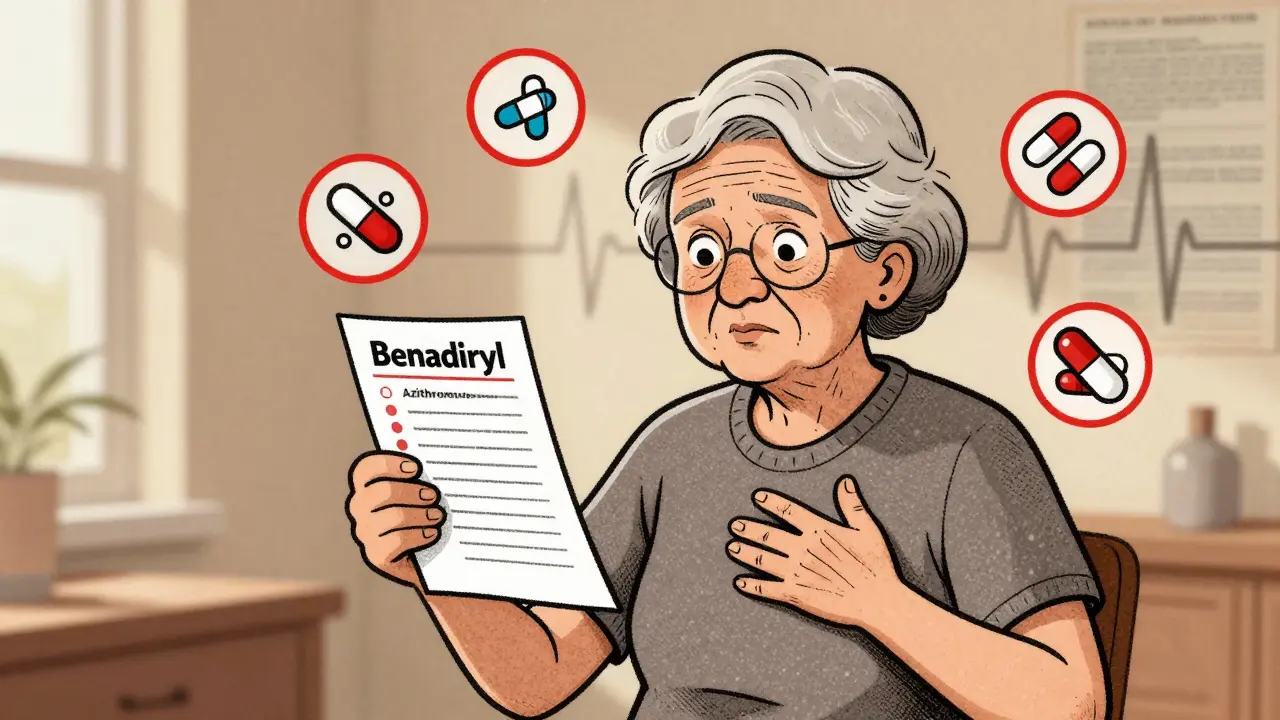
It’s not just one drug causing this. The risk spikes when you’re taking multiple medications that each slightly prolong the QT interval. Combining just two of these drugs can increase your risk by 300% to 500%. Even common over-the-counter antihistamines like diphenhydramine (Benadryl) or certain antibiotics like azithromycin can do this. And it’s not always obvious - you might feel fine until your heart suddenly skips or races.
Medications That Can Trigger Arrhythmias
You don’t need to be on a heart drug to be at risk. Many everyday prescriptions and even some OTC meds can cause problems:
- Antibiotics: Macrolides (azithromycin, erythromycin) and fluoroquinolones (levofloxacin, moxifloxacin) are among the top offenders. Risk peaks in the first week of use.
- Antidepressants and antipsychotics: SSRIs like citalopram, SNRIs, and drugs like haloperidol or ziprasidone can prolong QT. Up to 18% of arrhythmia cases come from psychiatric meds.
- Antiarrhythmics themselves: Ironically, drugs meant to fix heart rhythms - like flecainide or propafenone - can make them worse in 5-10% of users, turning atrial flutter into a dangerous fast rhythm.
- Digoxin: Used for heart failure and atrial fibrillation, digoxin toxicity causes irregular beats, especially when kidney function declines or magnesium levels drop.
- Diabetes meds: Some newer drugs, like SGLT2 inhibitors, have been linked to increased atrial fibrillation risk in clinical trials.
- Cancer drugs: Trastuzumab (Herceptin) and other targeted therapies can cause inflammation in heart tissue, leading to atrial fibrillation in 2-5% of patients.
Even some herbal supplements and cold remedies can interact dangerously. For example, ephedra-containing products have been banned in the U.S., but similar stimulants still show up in weight-loss or energy supplements.
Warning Signs You Can’t Ignore
If you’re on any medication that affects your heart rhythm, pay attention to these symptoms:
- Palpitations: Feeling like your heart is fluttering, pounding, or skipping beats. This is the most common sign - reported by 70-80% of people with drug-induced arrhythmias.
- Dizziness or lightheadedness: Especially if it happens suddenly or with standing up. This means your heart isn’t pumping enough blood to your brain.
- Fatigue: Unexplained tiredness that doesn’t improve with rest. It’s not just being worn out - it’s your heart struggling to keep up.
- Chest discomfort: Not always sharp pain. Sometimes it’s pressure, tightness, or a strange ache.
- Fainting or near-fainting: This is a red flag. If you’ve passed out or felt like you were about to, get checked immediately.
These symptoms don’t always mean you’re having an arrhythmia - but they’re your body’s way of saying something’s off. Don’t brush them off as stress or aging. A 72-year-old woman on an antibiotic for a sinus infection might think her dizziness is just from being tired. But if she’s also on a diuretic and has low potassium, that dizziness could be the first sign of torsades de pointes.
Who’s at Highest Risk?
Not everyone who takes these drugs will have problems. But certain factors make it much more likely:
- Age 65 and older: Over 60% of severe cases occur in seniors. Kidneys slow down with age, so drugs build up in the system.
- Low potassium or magnesium: These minerals help your heart’s electrical system work right. If you’re on diuretics (water pills), you’re at higher risk. Target levels: potassium above 4.0 mEq/L, magnesium above 2.0 mg/dL.
- Multiple QT-prolonging drugs: Taking two or more drugs that affect the QT interval multiplies your risk.
- Chronic kidney disease: Affects 30-40% of elderly patients on digoxin or other heart meds. Poor kidney function means drugs aren’t cleared properly.
- Genetic factors: About 15% of people of African ancestry carry the S1103Y variant. About 12% of East Asian ancestry carry R1193Q. These variants make your heart extra sensitive to QT-prolonging drugs - even at normal doses.
- Excessive alcohol: More than three drinks a day triples your risk.
If you fall into any of these categories, you need to be extra careful. Ask your doctor: “Is this drug safe for me, given my other meds and health history?”
What to Do If You Suspect a Problem
If you notice warning signs, don’t wait. Here’s what to do:
- Stop the suspected drug - but only if your doctor says so. Never quit a heart or psychiatric med on your own. Some drugs cause rebound effects if stopped suddenly.
- Call your doctor or go to urgent care. Mention every medication you’re taking - including supplements and OTC pills. Bring a list.
- Get an ECG. A simple 10-second test can show if your QT interval is prolonged or if you’re having an arrhythmia.
- Check electrolytes. Blood tests for potassium, magnesium, and calcium are essential. Low levels are often the missing link.
- Review all your meds with a pharmacist. Pharmacists are trained to spot dangerous interactions. Ask them to run a drug interaction check.
Most cases - 75% to 85% - can be fixed by adjusting the dose, switching meds, or correcting electrolytes. Only 5-10% need procedures like catheter ablation. Less than 2% require surgery.
Prevention Is the Best Strategy
The best way to avoid drug-induced arrhythmias is to stop them before they start:
- Baseline ECG before starting high-risk drugs. Especially if you’re over 60, on multiple meds, or have kidney issues.
- Repeat ECG within 72 hours. That’s when QT prolongation often shows up.
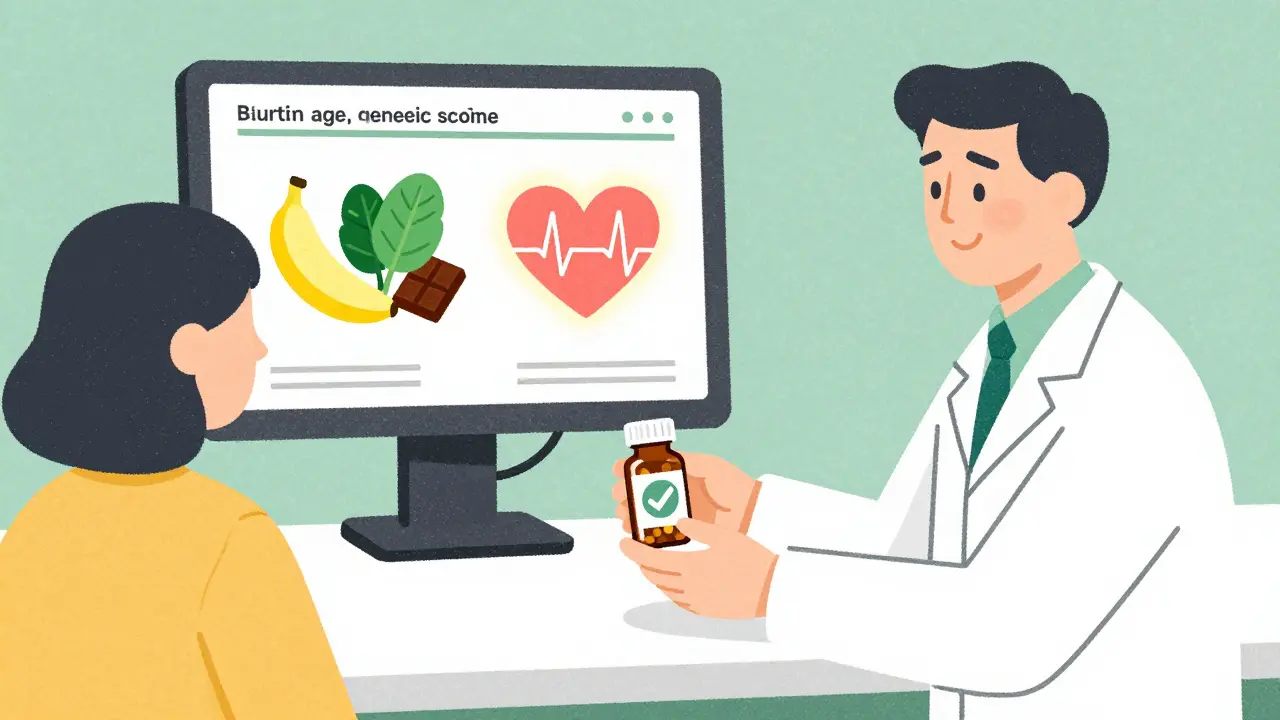
- Keep electrolytes in check. Eat potassium-rich foods like bananas, spinach, and sweet potatoes. Magnesium sources include almonds, lentils, and dark chocolate. If you’re on diuretics, ask your doctor about supplements.
- Avoid alcohol and caffeine. Caffeine isn’t usually the main culprit, but it can tip the balance. More than 25% of people with palpitations link them to coffee or energy drinks.
- Know your family history. If someone in your family had sudden cardiac death under age 50, tell your doctor. You might need genetic screening.
There’s new tech coming. By 2024, doctors will have access to a clinical tool that calculates your personal arrhythmia risk based on your age, meds, kidney function, and genetic markers. Some hospitals are already testing genetic screening before prescribing high-risk drugs - especially for patients of African or East Asian descent.
What Happens Next?
If you’ve had a drug-induced arrhythmia, your doctor will likely:
- Switch you to a safer alternative.
- Lower your dose.
- Prescribe electrolyte supplements.
- Set up regular ECG monitoring.
- Refer you to a heart rhythm specialist (electrophysiologist).
Most people recover fully once the trigger is removed. But if you’ve had one episode, you’re at higher risk for another - even with different drugs. So stay vigilant.
Don’t assume your doctor knows all your meds. Many patients take 5-10 prescriptions. Write them down. Bring them to every appointment. Ask: “Could any of these affect my heart rhythm?” That simple question could save your life.
Frequently Asked Questions
Can over-the-counter meds cause heart arrhythmias?
Yes. Common OTC drugs like antihistamines (Benadryl, Dramamine), decongestants (pseudoephedrine), and some cough syrups can prolong the QT interval. Even herbal supplements like licorice root or ephedra can trigger dangerous rhythms. Always check with your pharmacist before taking new OTC products if you’re on heart meds or have a history of arrhythmias.
Is it safe to take antibiotics if I have a history of heart rhythm problems?
It depends. Macrolides like azithromycin and fluoroquinolones like levofloxacin carry higher risks. If you’ve had a previous arrhythmia, your doctor may choose a different antibiotic - like amoxicillin or doxycycline - that’s safer for your heart. Always tell your prescriber about your heart history before any antibiotic is given.
How long does it take for a drug to cause an arrhythmia?
It can happen quickly - within hours or days. For QT-prolonging drugs like antibiotics, the highest risk is in the first 3 to 7 days of use. But with drugs like digoxin, toxicity builds up slowly over weeks, especially if kidney function declines. That’s why regular monitoring matters, even if you’ve been on the drug for months.
Can caffeine cause serious arrhythmias?
Caffeine alone rarely causes life-threatening arrhythmias. But it can trigger palpitations in sensitive people - about 25-30% of patients report this. If you’re already on a QT-prolonging drug or have low potassium, caffeine can push you over the edge. Limit intake to under 200 mg per day (about two cups of coffee) if you’re at risk.
Should I get genetic testing for drug-induced arrhythmias?
It’s not routine yet, but it’s becoming more common - especially if you’ve had a drug reaction, unexplained fainting, or a family history of sudden cardiac death. Genetic variants like S1103Y and R1193Q significantly raise your risk. If you’re of African or East Asian ancestry and need a high-risk drug, ask your doctor if testing is available. It could help avoid a dangerous reaction.
Comments
Ian Long
Man, I had no idea my Benadryl could mess with my heart like that. Been popping those like candy during allergy season. Gotta check with my doc before I kill myself with antihistamines.
January 9, 2026 AT 10:15
Pooja Kumari
Oh my god, this is so important! I’m from India and here, people just buy antibiotics over the counter like they’re candy. My uncle took azithromycin for a cold and ended up in the hospital with palpitations - they didn’t even connect it to the drug. We need awareness campaigns, like on TV or WhatsApp forwards, because no one reads the fine print. And don’t even get me started on those energy drinks mixed with cough syrup - it’s a cardiac time bomb waiting to explode. Please, someone make a poster for this. I’ll share it 100 times.
January 11, 2026 AT 00:44
Angela Stanton
QT prolongation is a Class Ia arrhythmogenic risk profile with multi-drug synergy - especially when combined with hypokalemia and CYP3A4 inhibition. 🧠📉
Also, digoxin toxicity isn’t just about renal clearance - it’s about volume of distribution and protein binding dynamics in elderly patients with low albumin. 🏥
And FYI, S1103Y variant has 3.7x higher penetrance in African ancestry populations per JAMA Cardiology 2022. 📊
Stop Googling symptoms and start asking for a baseline ECG before prescribing. #PharmacoCardiology #NotAllDrugsAreEqual
January 12, 2026 AT 19:54
Darren McGuff
I’ve been a nurse for 22 years, and I’ve seen this exact scenario play out too many times. A sweet old lady on furosemide, citalopram, and Benadryl - all perfectly legal, all perfectly deadly together. She fainted at bingo. They thought it was dehydration. Turned out her QT was 620ms. She didn’t make it to the ICU. This isn’t scare tactics - it’s clinical reality. If you’re on more than three meds, especially if you’re over 60, ask your pharmacist to run a drug interaction screen. Do it now. Don’t wait for the dizzy spell.
January 13, 2026 AT 11:25
Aron Veldhuizen
So let me get this straight - you’re telling me that the entire pharmaceutical industry is quietly poisoning people with medications they’ve been prescribing for decades, and the solution is to... ask your doctor? Wow. What a revelation. Next you’ll tell me water can drown you if you drink too much. This isn’t a warning - it’s a propaganda piece designed to make people distrust their meds and run to the supplement aisle. Did you mention that 90% of people who take these drugs never have an issue? No? Because then your narrative collapses. Wake up. The real danger is fearmongering disguised as medicine.
January 13, 2026 AT 22:39
RAJAT KD
My grandfather died from this. No one told us. He was on digoxin and a diuretic. Said he felt weird for weeks. Doctors called it "old age." He was 71. This post saved my life. I just got my ECG.
January 14, 2026 AT 18:03
Matthew Maxwell
It’s irresponsible to publish this without emphasizing personal accountability. If you’re taking 10 medications and not monitoring your electrolytes, you’re not a patient - you’re negligent. Your doctor can’t be your babysitter. If you don’t read the pamphlets, don’t blame the system when your heart decides to quit. This isn’t a conspiracy. It’s basic hygiene. Wash your hands. Check your potassium. Stop blaming Big Pharma for your laziness.
January 16, 2026 AT 02:25
Jacob Paterson
Oh wow. So now I’m supposed to stop taking my Z-pack because some guy on the internet said it might give me a heart attack? And what about my 3pm espresso? Should I start drinking chamomile tea and meditate my way to cardiac safety? 🤡
Meanwhile, my neighbor died of a heart attack after eating a bacon cheeseburger. But sure, let’s panic about Benadryl. Classic medical gaslighting. Next up: "Coffee causes sudden cardiac death. Also, breathing is risky."
January 16, 2026 AT 20:46
Johanna Baxter
I had a near fainting episode last month after taking that allergy med. I thought it was stress. Turns out I was low on magnesium and on citalopram. I cried for an hour. My mom said I was being dramatic. But I’m alive. And now I’m screaming at everyone I know to get an ECG. You’re not old. You’re not tired. Your heart is screaming. Listen.
January 17, 2026 AT 01:58
Jerian Lewis
My cardiologist told me the same thing last year. I’m 58, on lisinopril and sertraline. I asked for an ECG. QT was 460. They switched me to a different SSRI. No more palpitations. Simple. Why don’t more people do this? Because they’re too busy scrolling.
January 17, 2026 AT 14:38
Kiruthiga Udayakumar
From India - I’ve seen so many people buy antibiotics without prescription. My cousin took moxifloxacin for a sore throat and ended up in ICU with torsades. We didn’t know anything. Please, share this with your family. Even if they think it’s "overkill." Better safe than sorry. ❤️
January 18, 2026 AT 21:53
Catherine Scutt
Yeah but what about the 80% who take these meds and never have a problem? This feels like fear porn. I’m not gonna stop my meds because some blog says "could."
January 19, 2026 AT 15:46
Alicia Hasö
To everyone reading this: You are not too busy. You are not too healthy. You are not too young. If you’re on more than three medications - especially if you’re over 50 - get a baseline ECG. It takes 10 seconds. It costs less than your coffee this week. Ask your pharmacist. Ask your doctor. Ask your sister. Ask your neighbor. This isn’t medical advice - it’s a lifeline. Your heart is counting on you to be the one who says, "Wait. Let me check."
January 20, 2026 AT 08:32
Chris Kauwe
Let’s be real - this is just another way for the medical-industrial complex to sell more tests and drugs. In my country, we don’t need ECGs for every little thing. We have real problems: clean water, food security, access to basic care. This feels like elite American over-medicalization dressed up as concern. If your heart’s beating, you’re fine. Stop consuming fear like it’s content.
January 20, 2026 AT 14:37