
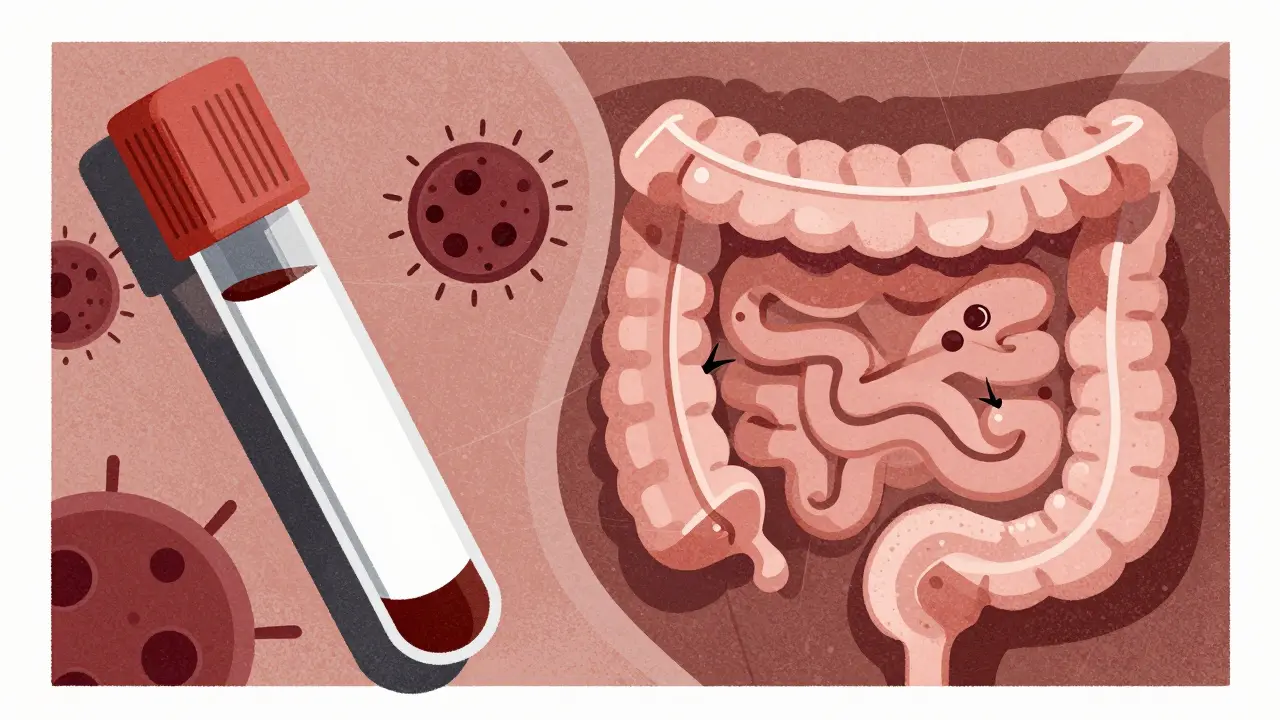
Celiac Diseasean autoimmune disorder triggered by gluten in genetically susceptible individuals affects approximately 1% of people worldwide, but many go undiagnosed for years. For those living with it, strict adherence to a gluten-free diet isn't optional-it's the only treatment that prevents serious complications like malnutrition, osteoporosis, and intestinal cancer. Recent data shows 95% of patients experience symptom relief within days to weeks after eliminating gluten completely. However, managing celiac disease goes beyond just avoiding bread and pasta. It requires understanding hidden gluten sources, addressing nutrient deficiencies, and following up with medical professionals regularly.
Understanding Celiac Disease
Celiac Diseasean autoimmune disorder triggered by gluten in genetically susceptible individuals is an autoimmune disorder where the body mistakenly attacks the small intestine when gluten is consumed. This damage prevents proper nutrient absorption, leading to deficiencies. According to the NIH StatPearls resource (2023), symptoms vary widely-from diarrhea and bloating to fatigue, joint pain, and skin rashes. The condition is diagnosed through blood tests like tTG-IgA Testa blood test detecting antibodies produced in response to gluten, which detects antibodies produced in response to gluten. It's crucial to get tested before starting a gluten-free diet, as going gluten-free first can make test results inaccurate. Early diagnosis is key; untreated celiac increases the risk of other autoimmune disorders and certain cancers.
The Gluten-Free Diet: What You Need to Know
Avoiding gluten means cutting out wheat, barley, rye, and their derivatives. This includes obvious sources like bread and pasta, but also hidden ones like soy sauce, malt vinegar, and some medications. Safe options include naturally gluten-free grains like rice, quinoa, corn, and Gluten-Free Oatscertified oats with less than 20ppm gluten. Dr. de Maríaauthor of 2025 celiac disease guidelines's 2025 guidelines confirm that 95% of people with celiac can safely consume certified gluten-free oats (less than 20 ppm gluten), though 5% may still react. Always look for "gluten-free" labels-just "wheat-free" isn't enough. For example, a product labeled wheat-free could still contain barley or rye.

Common Nutrient Deficiencies and How to Fix Them
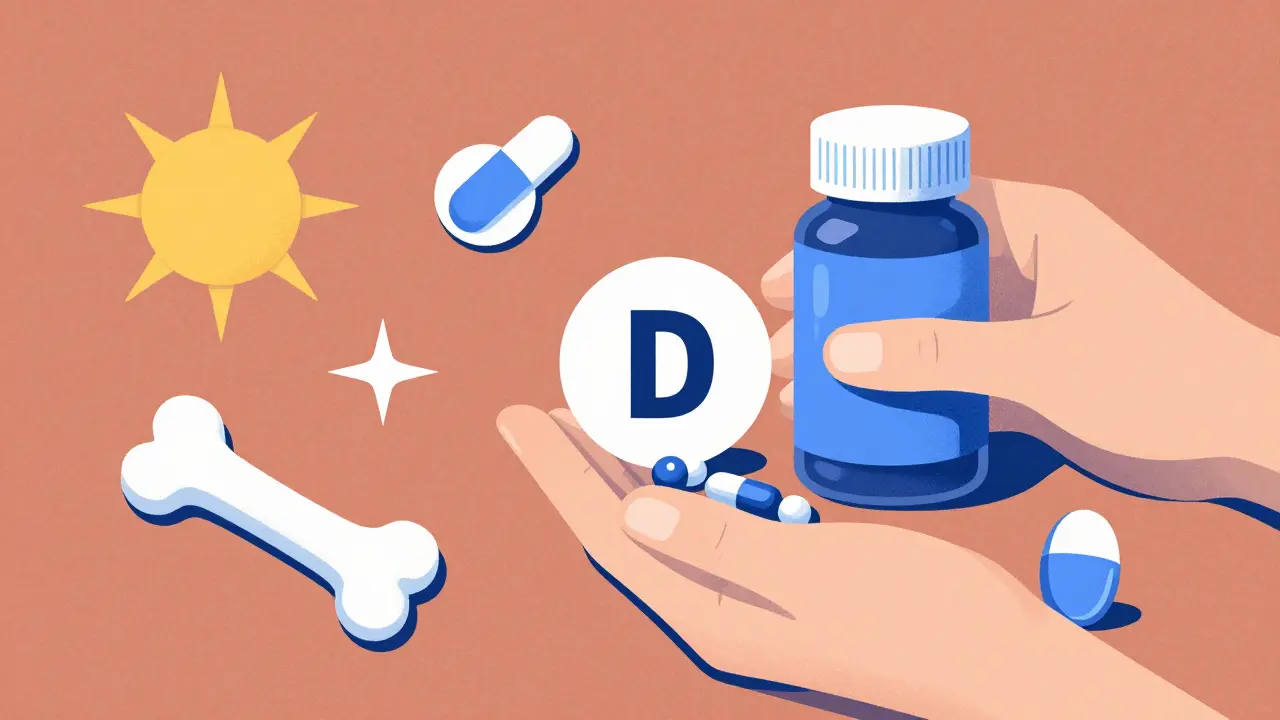
At diagnosis, 12-63% of celiac patients have iron deficiency anemia, 37-75% are vitamin D deficient, and 25-40% lack calcium. These deficiencies persist even after going gluten-free without proper supplementation. Iron needs are higher-18mg daily for women, 8mg for men. Vitamin D often requires therapeutic doses of 2,000-5,000 IU daily, not just the standard 600-800 IU. Calcium supplementation of 1,000-1,200mg daily is critical for bone health. Many patients also need B vitamins, especially folate (400mcg) and B12 (250-500mcg). Regular blood tests every 6-12 months help track these levels and adjust supplements as needed.
| Aspect | Traditional Medical Approach | Functional Medicine Approach |
|---|---|---|
| Primary Focus | Gluten elimination and antibody monitoring | Root cause analysis and comprehensive nutrient support |
| Diagnostic Methods | tTG-IgA blood test and endoscopic biopsy | Additional testing for intestinal permeability and microbiome health |
| Nutritional Support | Basic supplementation based on deficiency tests | Personalized supplementation protocols with higher therapeutic doses |
| Insurance Coverage | Typically covered for standard tests and procedures | Only 15-20% of specialized testing and supplements reimbursed |
Hidden Gluten and Cross-Contamination Risks
Cross-contamination is a major challenge. Even tiny amounts of gluten (as little as 50mg/day) can prevent healing in 50% of patients, according to Dr. Alessio Fasano's 2023 guidelines. Common risks include shared kitchen tools like toasters or cutting boards, restaurant kitchens where gluten-containing foods are prepared nearby, and medications containing gluten excipients. Always use separate utensils and appliances for gluten-free cooking. When dining out, ask restaurants about their gluten-free protocols-only 28% of US restaurants have verified gluten-free practices according to the National Restaurant Association 2024 data. Tools like the Nima Sensor can test food for gluten at 20ppm levels, helping to avoid hidden exposure.
Long-Term Monitoring and Follow-Up Care
Regular check-ups are essential. Dr. de María's protocol recommends Month 1: initial dietitian consultation, Month 3: basic blood work (CBC, metabolic panel), and Month 6: full nutrient panel and tTG-IgA test. Bone health monitoring is critical-DXA scans every 2-3 years for adults to check bone density. For children, growth charts and nutritional assessments should happen every 3 months. Even with a strict diet, 30% of patients continue to have symptoms due to unintentional gluten exposure, so ongoing monitoring helps catch issues early.
Real-World Challenges and Practical Solutions
Gluten-free products cost 159% more than regular items, with bread averaging $5.99/lb versus $2.31/lb for standard. This financial burden is one of the biggest frustrations. For dining out, carry gluten-free restaurant cards in multiple languages (provided by Celiac Disease Foundation) to explain your needs clearly. Medication safety is another concern-30% of prescriptions contain gluten excipients. Always check the Gluten-Free Drug Database from the University of Chicago Celiac Center before taking new medications. Despite these challenges, 78% of people report better quality of life within 3 months of strict dietary adherence, according to Reddit's r/celiac community 2024 data.
How much gluten is safe for someone with celiac disease?
There is no safe amount of gluten for celiac disease patients. Even tiny amounts (as little as 50mg per day) can prevent intestinal healing in half of patients, according to Dr. Alessio Fasano's research. This is why strict avoidance of all gluten sources is necessary. The FDA requires gluten-free products to contain less than 20ppm gluten, but this threshold is for labeling purposes-not a safe consumption level for celiac patients.
Are gluten-free oats safe for celiac disease?
Certified gluten-free oats (less than 20ppm gluten) are generally safe for 95% of people with celiac disease, according to Dr. de María's 2025 guidelines. However, 5% may still react due to avenin sensitivity or cross-contamination. Start with small amounts (50g/day) and monitor for symptoms. Always choose oats labeled "gluten-free" and avoid bulk bins where cross-contamination is likely.
What tests confirm celiac disease?
The standard diagnostic process starts with a tTG-IgA blood test, which has 98% sensitivity and 95% specificity when performed before starting a gluten-free diet. Total serum IgA is also checked to rule out IgA deficiency (present in 2-3% of celiac patients). If blood tests are positive, an endoscopic biopsy of the small intestine is usually required for confirmation. However, new European Society guidelines (2025) allow biopsy-free diagnosis in children who meet strict criteria: symptoms plus tTG-IgA levels over 10x the upper limit and positive EMA antibodies.
How long does it take to heal after going gluten-free?
Symptoms often improve within days to weeks, but full intestinal healing takes longer. Studies show 70% of adults achieve mucosal healing within 6-12 months of strict gluten avoidance. However, 40-60% of adults fail to achieve complete histological recovery within 2 years despite dietary compliance, according to the 2025 European Society guidelines. This is why ongoing monitoring with blood tests and possibly repeat biopsies is important.
Why do some people still have symptoms on a gluten-free diet?
About 30% of patients continue to experience symptoms despite following a gluten-free diet. The most common reason is unintentional gluten exposure-often from cross-contamination in restaurants or shared kitchen equipment. Other causes include lactose intolerance (common during initial healing), small intestinal bacterial overgrowth (SIBO), or other underlying conditions like irritable bowel syndrome. In rare cases, refractory celiac disease may require immunosuppressive therapy. Detailed dietary review and specialized testing help identify the root cause.
What supplements are most important for celiac disease?
Iron, vitamin D, calcium, and B vitamins are the most critical supplements for celiac patients. Iron deficiency affects 12-63% of patients at diagnosis, so women typically need 18mg daily and men 8mg. Vitamin D levels often require therapeutic doses of 2,000-5,000 IU daily to correct deficiencies. Calcium supplementation of 1,000-1,200mg daily supports bone health, especially since 25-40% of patients have calcium deficiency. B12 (250-500mcg) and folate (400mcg) are also commonly needed due to malabsorption. Always work with a healthcare provider to tailor supplementation to your specific needs.
Comments
Rene Krikhaar
I've been living with celiac for years and the biggest thing is staying vigilant about hidden gluten sources even small amounts can cause damage just a heads up for everyone
February 6, 2026 AT 03:19
Dr. Sara Harowitz
Recent studies show that certified gluten-free oats can trigger reactions in up to 10% of patients, not 5%! Cross-contamination risks are higher than stated-many 'gluten-free' products still contain unsafe levels. People need to be more vigilant!
February 6, 2026 AT 03:38
Georgeana Chantie
Gluten-free oats are actually dangerous for most people. 95% safe? No way! 😂 The whole 'gluten-free' thing is just a fad, and people should eat gluten to build tolerance. 🤷♀️
February 6, 2026 AT 18:25
Carol Woulfe
Big Pharma is hiding the real truth about celiac disease-it's actually caused by GMOs in the food supply. The FDA's 20ppm limit is a joke; real safety requires 0ppm. Also, the government is secretly controlling the gluten-free market to keep people dependent on their products.
February 8, 2026 AT 02:25
Kieran Griffiths
Dr. Harowitz, I appreciate your expertise. However, the NIH StatPearls reference is current as of 2023, and the 5% reaction rate to oats is still accurate. It's important to note that individual tolerance varies, and some people may need to avoid oats entirely. But the key takeaway is to work with a dietitian for personalized advice.
February 10, 2026 AT 01:41
Brendan Ferguson
While I respect Dr. Harowitz's input, the current guidelines do support the 5% figure for oats. It's also worth mentioning that cross-contamination is a bigger issue than the oats themselves. Maybe the focus should be on improving manufacturing standards rather than blaming the oats.
February 11, 2026 AT 12:54
Nancy Maneely
Ive been eating gluten for years and feel great! 😭 The doctors are all in cahoots with the food industry! #FakeNews
February 13, 2026 AT 11:14
Phoebe Norman
The pathophysiological mechanisms underlying celiac disease involve HLA-DQ2/DQ8 haplotypes and immune-mediated destruction of the villi. While Kieran's point about dietitian consultation is valid, the therapeutic intervention should include a comprehensive nutritional assessment including micronutrient panels and gut microbiome analysis to address underlying dysbiosis.
February 13, 2026 AT 17:04
Katharine Meiler
I agree with the emphasis on nutrient supplementation. Research shows that iron deficiency anemia is prevalent in celiac patients at diagnosis, and targeted supplementation is crucial. However, it's important to consider individualized dosing based on serum ferritin levels rather than fixed recommendations.
February 15, 2026 AT 12:58
Danielle Vila
Always read labels carefully.
February 16, 2026 AT 11:55